


Archaeologists in Denmark have identified a Viking-era settlement where large-scale textile work appears to have played a major economic role more than 1,000 years ago.
According to NPR, the discovery stands out not only for its size but also for the picture it offers of Viking life, suggesting these communities were organized producers connected to broader trade networks rather than societies defined only by warriors and raiders.
What happened?
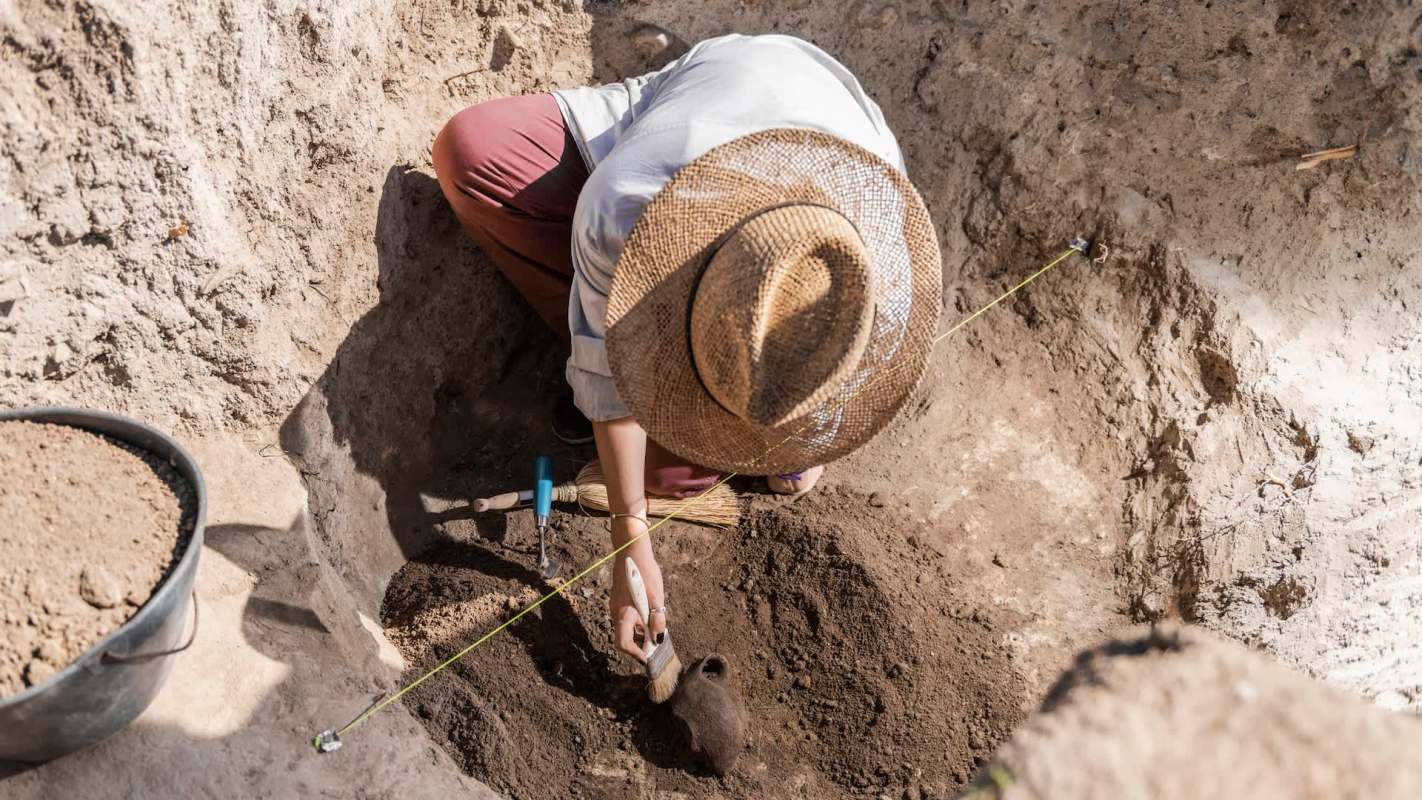
According to NPR, in Søften, about 10 kilometers from Aarhus in Denmark's Jutland region, researchers from the Moesgaard Museum excavated an extensive settlement.
The site spans roughly 100,000 square meters — more than 1 million square feet — and dates to A.D. 600 through 950, a period stretching from the late Iron Age into the early Viking era.
Its most distinctive feature is its apparent concentration of textile-related work. Archaeologists found an area used for processing flax along with more than 80 pit houses, the partly sunken buildings Vikings used for both work and living.
Artifacts uncovered there included spindle whorls, silver coins, glass beads, and pottery, all of which support the idea of a major textile operation.
TCD Picks » Quince Spotlight
💡These best-sellers from Quince deliver affordable, sustainable luxury for all




Archaeologist Liv Stidsing Reher-Langberg, who led the 10-month dig, said, "We have a clear focus on textile production, which makes this settlement different from other kinds of settlements of this period."
Researchers also identified separate areas for crafts and production, along with one residential home, a layout that suggests an elite figure may have overseen the labor and controlled access to materials.
Why does it matter?
The find helps flesh out how Viking communities functioned beyond the battlefield. Søften sits near Aarhus — known during the Viking era as Aros — and the city served as a hub of royal authority and overseas trade. Another Viking site was found last year in nearby Lisbjerg.
Textiles were not simply casual household goods when produced at this scale. A site with dozens of workshops and evidence of flax processing points to coordinated labor and a market large enough to absorb the output.
What are people saying?
Moesgaard Museum historian Kasper Andersen said a discovery like this is "another piece in the puzzle" for understanding how the area was organized economically, culturally, and politically at the time.
He added that "when you have a production site of this scale, it cannot be only because of the local area."
He told NPR, "It needs to be understood as part of a greater network, a much bigger international perspective."
Researchers said the site challenges old stereotypes that portray Vikings as purely violent or unsophisticated. Andersen said Vikings were "not just simple, uncivilized, barbaric hordes, rambling about Europe."
Future carbon dating and pollen analysis could reveal even more about exactly what kinds of textiles were made there.

Get TCD's free newsletters for easy tips, smart advice, and a chance to earn $5,000 toward home upgrades. To see more stories like this one, change your Google preferences here.







