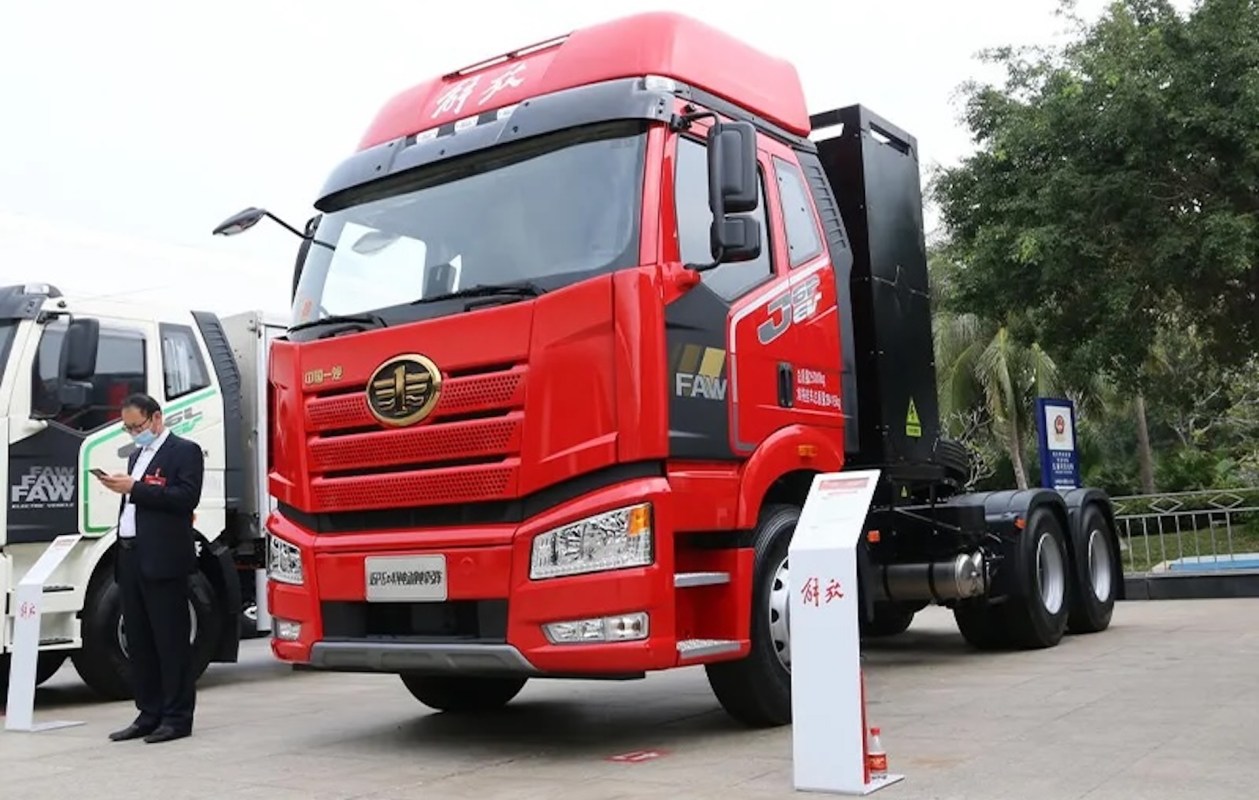
A new battery test from China is drawing attention for a simple reason: it suggests electric freight trucks may not experience performance loss or range reduction when temperatures drop.
According to Electrive, the test found that a sodium-ion truck battery kept more than 90% of its usable capacity even when temperatures fell to minus-40 degrees Fahrenheit. Prior to this, conventional lithium-ion battery packs in electric trucks have faced major challenges in cold weather.
What happened?
The truck in the test was a battery-electric FAW Jiefang J6P tractor unit using a 339-kilowatt-hour sodium-ion pack from Hina Battery.
FAW Jiefang, which is part of the state-owned FAW Group, said the battery is "ideally suited to meet market demand for alternatively powered trucks in the cold regions of Northeast and Northwest China," according to Electrive. The company added that it "unlocks new potential for the electrification of freight transport in extremely cold areas."
Beyond the cold-weather result, the battery may offer practical benefits for everyday freight work.
According to the manufacturer, a full charge takes "only 20 to 25 minutes." It is also designed to withstand more than 8,000 fast-charging cycles, which could help high-mileage logistics fleets minimize downtime.
TCD Picks » Quince Spotlight
💡These best-sellers from Quince deliver affordable, sustainable luxury for all




Why does it matter?
If this level of battery performance holds up at scale, it could make electric freight much more practical in places where snow and extreme cold had previously posed challenges.
More dependable zero-emission freight could help keep goods moving during severe winters, potentially supporting steadier delivery schedules, fewer operational disruptions, and lower transportation costs over time.
Another potential advantage is sourcing. Sodium can come from common materials such as table salt or seawater, and it is far more abundant than lithium, cobalt, and nickel. That could eventually ease supply-chain pressure and make battery production more resource-efficient.
The trade-off is that sodium-ion chemistry stores less energy per unit weight than lithium-ion chemistry, so matching the same range requires more space and mass. Electrive said Hina Battery's current cells exceed 165 watt-hours per kilogram, but a similar truck pack would still be bulkier and heavier than an NMC lithium-ion alternative, reducing payload capacity.
For routes where winter reliability, charging speed, and durability matter more than maximum cargo weight, that lower energy density may be less of a constraint.

Get TCD's free newsletters for easy tips, smart advice, and a chance to earn $5,000 toward home upgrades. To see more stories like this one, change your Google preferences here.