


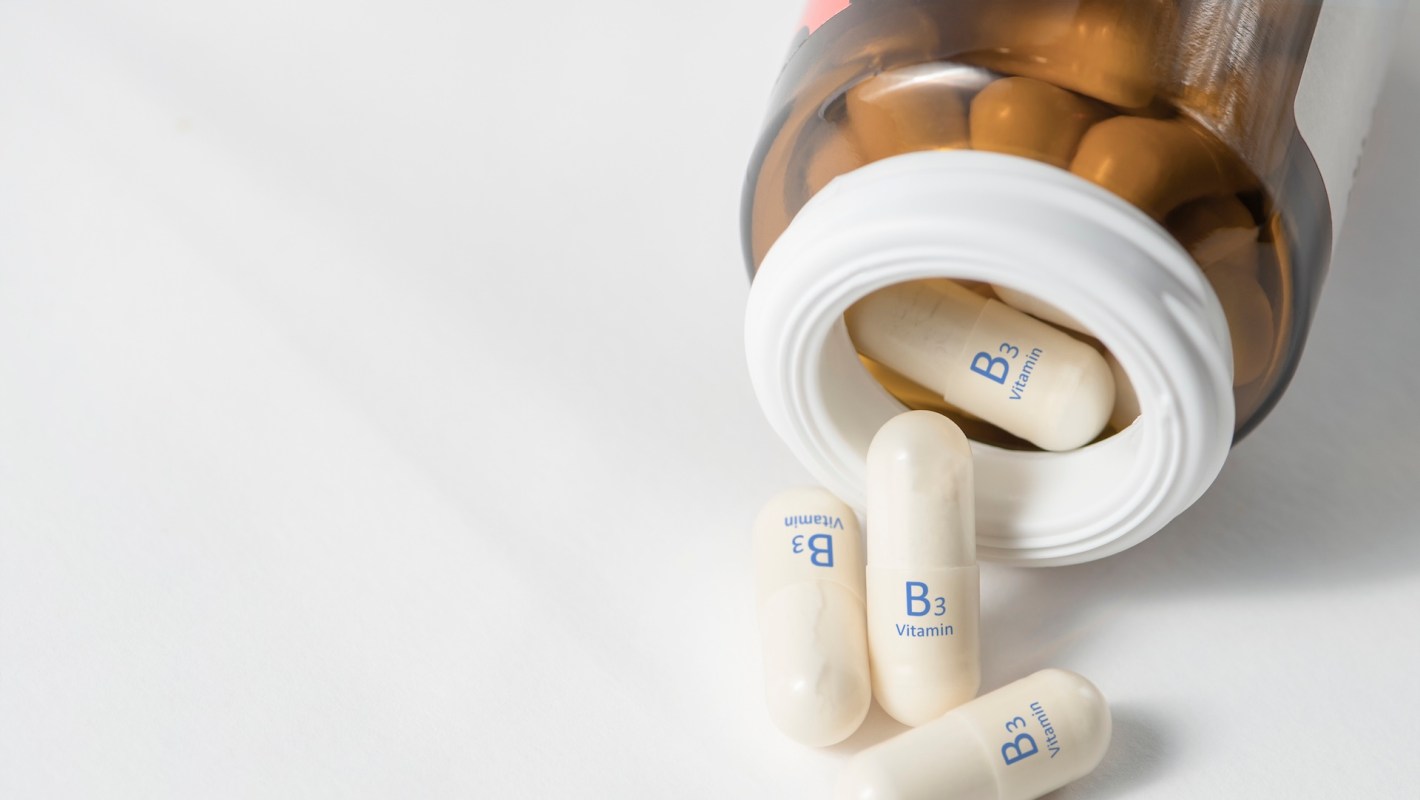
A Canadian clinical trial is testing whether high doses of niacin, also known as vitamin B3, could help people with glioblastoma, one of the deadliest forms of brain cancer.
Initial findings indicate the vitamin may help restore immune cells weakened by the disease when it is added to standard treatment, raising hope in an area where progress can save lives.
What happened?
At the University of Calgary, researchers are examining whether adding large amounts of niacin to glioblastoma treatment could improve patient outcomes, ScienceDaily reported.
The cancer is notoriously aggressive, and even after surgery, radiation, and chemotherapy, it often returns.
One of the patients in the trial is Edward Waldner, a 55-year-old who went to the emergency department after months of extreme fatigue and changes in his walking patterns.
"The doctor said I had a mass on my brain and needed to see an oncologist," Waldner said, as reported by ScienceDaily.
TCD Picks » Quince Spotlight
💡These best-sellers from Quince deliver affordable, sustainable luxury for all




That mass turned out to be glioblastoma. After his diagnosis and subsequent surgery, Waldner was invited to participate in the B3 clinical trial.
"I have no problem trying to help anybody. I agreed. I want to help myself too," Waldner told ScienceDaily. "I can tell you being part of this research helps me mentally because we're trying. When I left the hospital after surgery I was told, that's it, that's all we can do."
Leading the study are Dr. Gloria Roldan Urgoiti, a brain cancer specialist and clinical associate professor at the Cumming School of Medicine, and Dr. Wee Yong, a neuroscientist and professor whose research focuses on the brain and immune system.
After earlier experiments in mice indicated that niacin could extend survival, the researchers moved ahead with human trials.
Why does it matter?
Progress against glioblastoma has remained limited for years, but this new research could offer some hope.
"Glioblastoma is the most aggressive brain cancer in adults. Survival of patients with this condition hasn't changed significantly for 20 years," Roldan Urgoiti said, per ScienceDaily. "Anything that may help should be explored but it requires strict protocols and safety monitoring."
In the first 24 patients, 82% showed no disease progression at the six-month mark — a 28% improvement over earlier studies and above the benchmark needed for the trial to continue.
According to Yong, the treatment seems to reverse the immune suppression caused by the cancer by helping those cells function again.
"Niacin treatment rejuvenates immune cells so they can do what they are supposed to do, attack and kill the cancer cells," he said. "I see it as an ongoing 'battle for the brain.'"
Researchers noted that very high doses of vitamins, including niacin, can be dangerous and should only be used under close medical supervision.
The treatment will still require larger studies, safety monitoring, and institutional review before it becomes standard care.
The full results were published in the Journal of Neuro-Oncology, and the trial is still working toward enrolling 48 participants by 2027.
Waldner, meanwhile, said participating in the trial has helped him mentally, and that his regular follow-up scans have continued to show stable results.

Get TCD's free newsletters for easy tips, smart advice, and a chance to earn $5,000 toward home upgrades. To see more stories like this one, change your Google preferences here.







