


In a new study, researchers took a different approach to studying climate change, suggesting that the traditional method of analyzing carbon cuts and their costs overlooks many of the everyday outcomes that homeowners care most about.
What happened?
According to a report from Phys.org, researchers from the International Institute for Applied Systems Analysis, working with an international team, studied six ways to reduce emissions in buildings, transport, and industry across 18 countries, focusing on how those choices shaped people's lived experience.
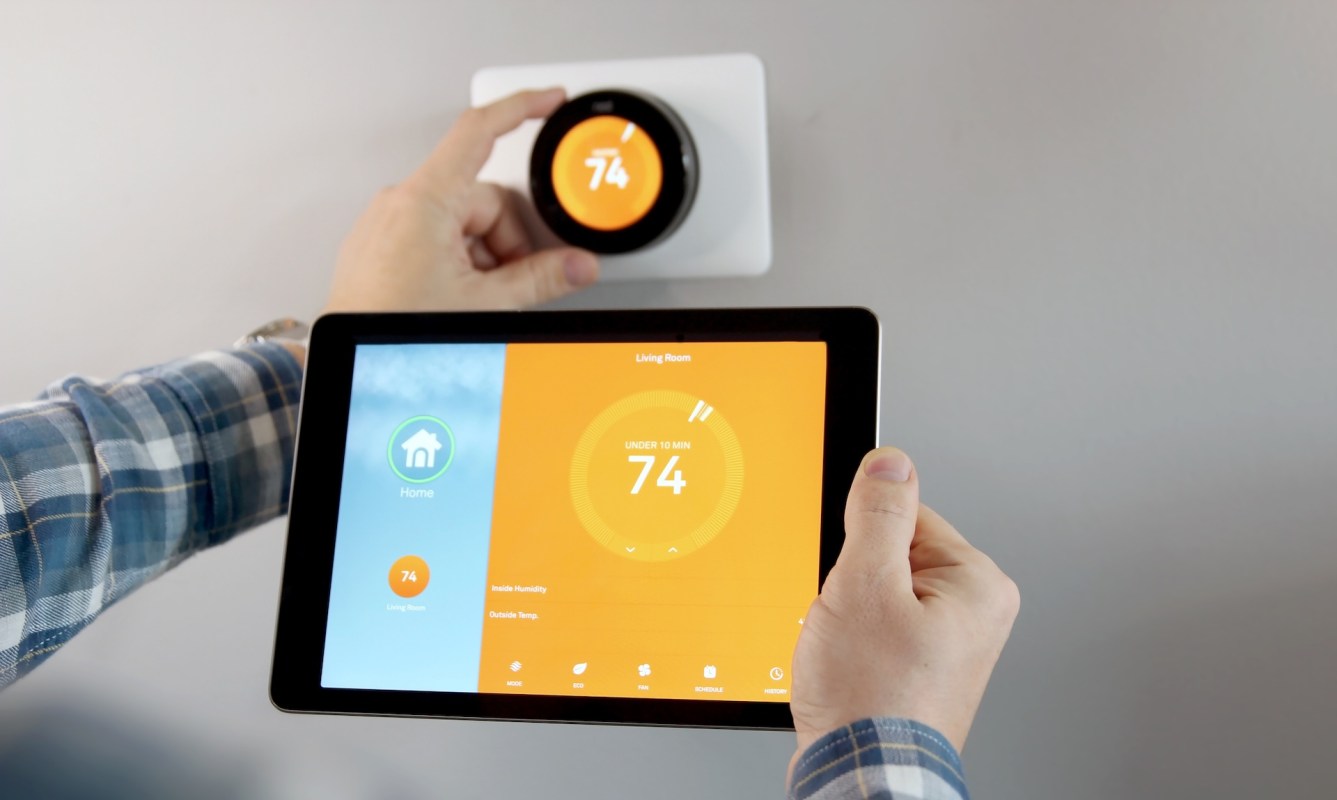
In the study, published in Communications Sustainability, the team set supply-side strategies — including heat pumps, electric vehicles, and hydrogen — against demand-side measures such as insulation, thermostat adjustments, transportation behavior changes, and material efficiency. Every scenario was modeled to achieve a 10% decline in emissions.
The analysis went beyond carbon totals and price comparisons by rating six aspects of quality of life, among them household finances, jobs, health, energy security, and fairness. All six pathways led to improvements.
Phys.org noted that this study is one of the first to combine objective modeling results with survey findings to analyze quality-of-life changes with climate action.
Why does it matter?
"Mitigating climate change is too often framed as a burden, when in fact it can raise people's quality of life," study lead Arnulf Grubler, distinguished emeritus research scholar at IIASA, told the outlet.
TCD Picks » Quince Spotlight
💡These best-sellers from Quince deliver affordable, sustainable luxury for all




The researchers found that all six climate strategies improved quality of life, but demand-side options such as increased insulation, thermostat adjustments, and transportation behavior changes scored slightly higher.
The researchers noted that these benefits were consistent across high- and low-income countries.
The findings also push back on the idea that people automatically see demand-side measures as a loss. In surveys conducted in the Netherlands, Brazil, and China, respondents said that both demand-side and supply-side approaches seemed acceptable and likely to improve life.
Many households are coping with high energy costs and growing weather extremes at the same time. A policy or home upgrade that cuts pollution while also saving money and improving comfort may have a better chance of winning public support than one framed only as an environmental obligation.
The study does not say electric vehicles, heat pumps, or hydrogen are bad choices. In fact, all the strategies helped. But it suggests the biggest day-to-day gains may come from pairing clean technology with efficiency and lower energy demand.
What's being done?
Some of the most impactful climate actions are also the least glamorous. Sealing drafts, adding insulation, and making careful thermostat changes can lower monthly utility bills without requiring a major lifestyle overhaul.
People considering bigger purchases can still benefit from combining approaches. An efficient home can make a heat pump work better and cost less to run, just as good transit access or walkable neighborhoods can reduce the need for driving before a household commits to an EV.
The study suggests climate action can be designed around what people value most: lower bills, better health, more comfort, and a stronger sense that the transition is fair and worth supporting.

Get TCD's free newsletters for easy tips, smart advice, and a chance to earn $5,000 toward home upgrades. To see more stories like this one, change your Google preferences here.






