


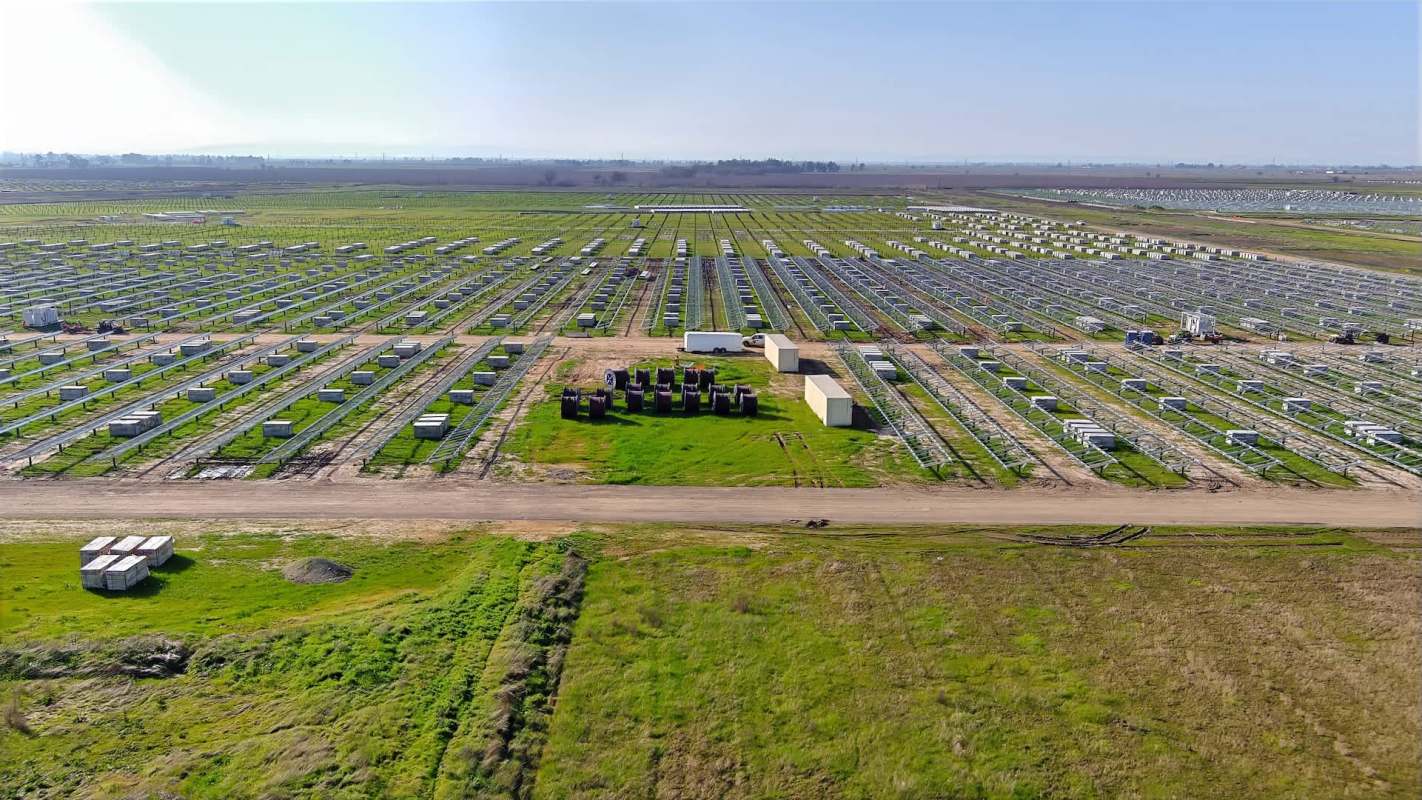
A proposed solar-and-battery project in rural San Diego County is facing fierce opposition from residents who say it could put their health, water supply, and only paved escape route at risk.
For people in Boulevard, California, the fight is not just about land use; it is about whether the clean energy transition can proceed without endangering vulnerable communities.
What happened?
Questions about the Starlight Solar Project dominated a June 16 town hall in Boulevard, where San Diego County planning staff met with residents, East County Magazine reported.
One flashpoint is where the battery facility would go. The proposed 217-megawatt lithium-ion battery energy storage system would be beside Jewel Valley Road, Boulevard's only paved way out, in a "Very High Fire Hazard Severity Zone." Residents say the location could turn a battery fire into a major emergency, with explosions, toxic smoke reaching nearby neighborhoods, and families cut off as they try to evacuate.
The plan also includes solar development over 588 acres, which would require drilling thousands of holes into the ground. Opponents say that work could damage Kumeyaay cultural artifacts and, if toxic runoff reaches the area, threaten Boulevard's sole-source groundwater aquifer.
Rather than move ahead immediately, the San Diego County Planning Commission pushed the proposal back, rescheduling the hearing for July 10.
TCD Picks » Quince Spotlight
💡These best-sellers from Quince deliver affordable, sustainable luxury for all




Why does it matter?
The dispute reflects a tension emerging in more communities across the country. Many people support cleaner energy, but far fewer want the potential risks concentrated in places with fewer resources and less political power.
Members of the No Starlight Solar Campaign say backcountry communities, including Boulevard, Jacumba, and Campo, are being turned into "sacrifice zones," carrying the health and safety burdens while the electricity produced is routed elsewhere, including wealthy coastal cities.
What's being done?
By postponing the hearing until July 10, county officials gave residents, tribal representatives, and project critics more time to press for answers and potentially stronger protections.
Tribal and community leaders have continued to raise objections as the review proceeds. Manzanita tribal chairwoman Angela Elliott Santos criticized how the process has treated local people, while Kumeyaay Nation activist Bobby Wallace warned about the "millions of gallons of water" the project could consume. Those concerns have added to calls for more rigorous oversight before any approval moves forward.
Residents are also seeking specific safeguards, including separate groundwater test-well checks and a dedicated HazMat response vehicle for local fire stations.
The delay does not resolve the conflict, but it gives Boulevard residents another chance to press questions about public safety, tribal history, and water security.
For opponents, the message has been clear: Backcountry communities should not be "sacrifice zones," and questions about "millions of gallons of water" and evacuation safety need real answers before the project moves ahead.

Get TCD's free newsletters for easy tips, smart advice, and a chance to earn $5,000 toward home upgrades. To see more stories like this one, change your Google preferences here.






