


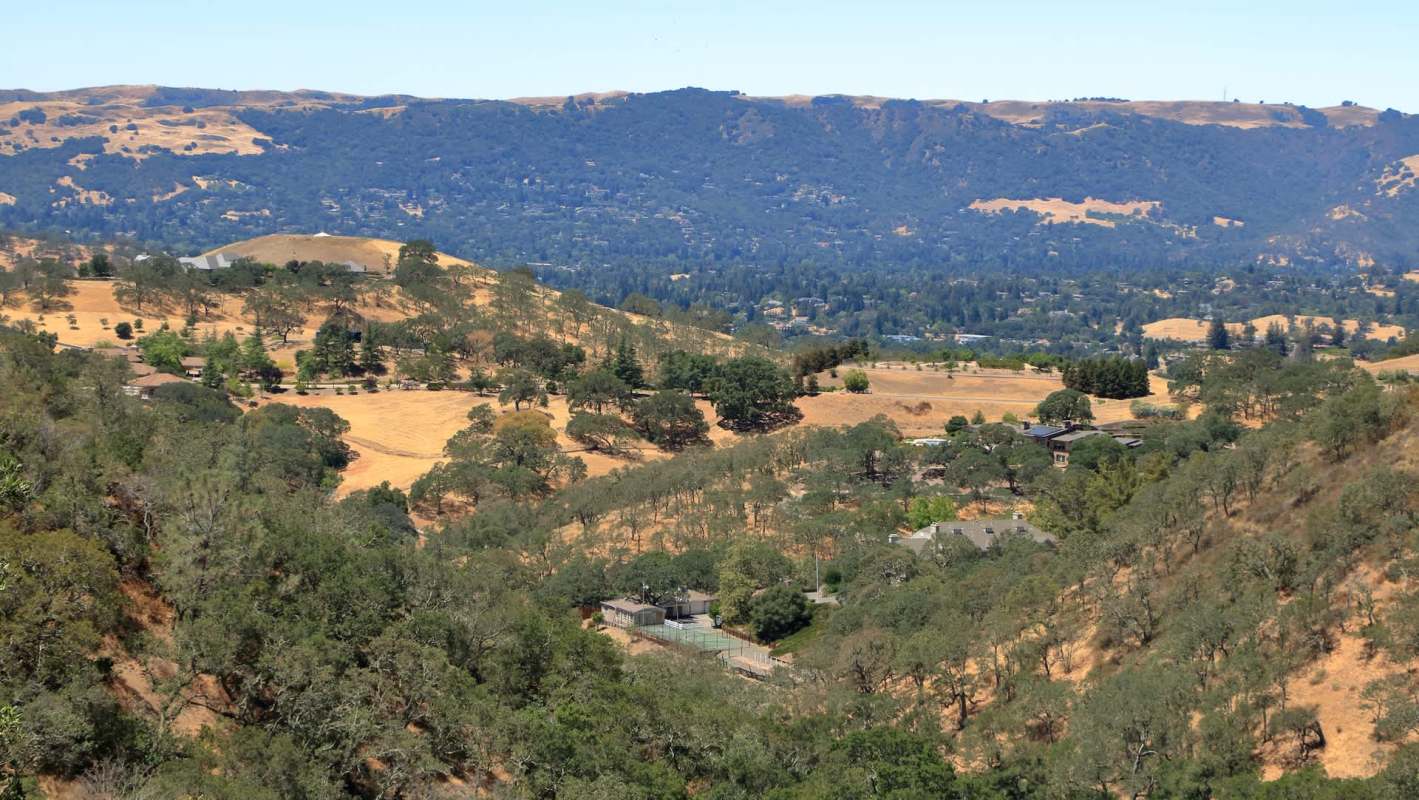
Over 300 people in Pittsburg, California, attended a city council meeting in mid-June to block a major data center project approved by the city in 2024.
What happened?
According to a report from the Bay City News Service, more than 100 comments against the project came from a mix of residents, parents, teachers, school administrators, and members of the activist group Indivisible Resisters Contra Costa.
The city-approved development is a nearly 350,000-square-foot, three-story data center proposed for a site on a former golf course near a middle school and sports courts.
The project would use 96 megawatts of power, rely on recycled water for cooling, and have 37 diesel-fueled backup generators on site. Bay City News Service reported that the project is the first piece of a larger three-phase plan called the Pittsburg Technology Park, a name some residents claim is misleading.
Local residents are organizing opposition to the project.
Bay City News Service reported that Mark Linde, a 68-year-old longtime resident, has been mobilizing neighbors on the social media platform Nextdoor, and Amhari Perkins, a mother of two, launched a Change.org petition that collected 13,000 signatures in a single week.
TCD Picks » Quince Spotlight
💡These best-sellers from Quince deliver affordable, sustainable luxury for all




At the meeting, Perkins said she had learned about the proposal only after seeing a council member's Facebook post, Bay City News Service noted. She told council members: "Pittsburg is not just a small overlooked city. It is my home. It is a home where many families come together. Many of us are not asking for conflict, just meaningful communication."
Why does it matter?
Data centers are increasingly at the center of public debate because they sit at the intersection of land use, energy demand, water use, and the rapid growth of AI.
AI can bring real benefits, including helping utilities balance the grid, improving forecasting for solar and wind power, and making buildings and industrial systems more efficient. However, the infrastructure behind those tools can also consume massive amounts of electricity and water, strain local resources, raise energy costs, and create concerns about security, misuse, and other unintended consequences.
Some residents say the project could increase water use, raise pollution concerns tied to diesel backup generators, and convert green open land near a school and recreation areas into industrial infrastructure.
City officials, though, say the development may generate tax revenue. Bay City News Service reported that Jordan Davis, Pittsburg's director of community and economic development, said that funding could go toward public needs, including road paving and youth soccer fields.
"These types of taxes are good for the community because the community does not need to pay them," Davis said. "It's revenue into the city to reinvest in the city."
What are people saying?
At the meeting, residents said their anger was not just about the development itself, but also about how information about it was shared.
Christina Webster, another resident, said in their testimonial that the data center represents an environmental loss, saying, "Those mountains are never going to be green again. You are public servants. Serve the public!"
After about two and a half hours of public comment, Mayor Dionne Adams said, according to Bay City News Service, that the council would address residents' questions and concerns, but she did not say when.

Get TCD's free newsletters for easy tips, smart advice, and a chance to earn $5,000 toward home upgrades. To see more stories like this one, change your Google preferences here.






