


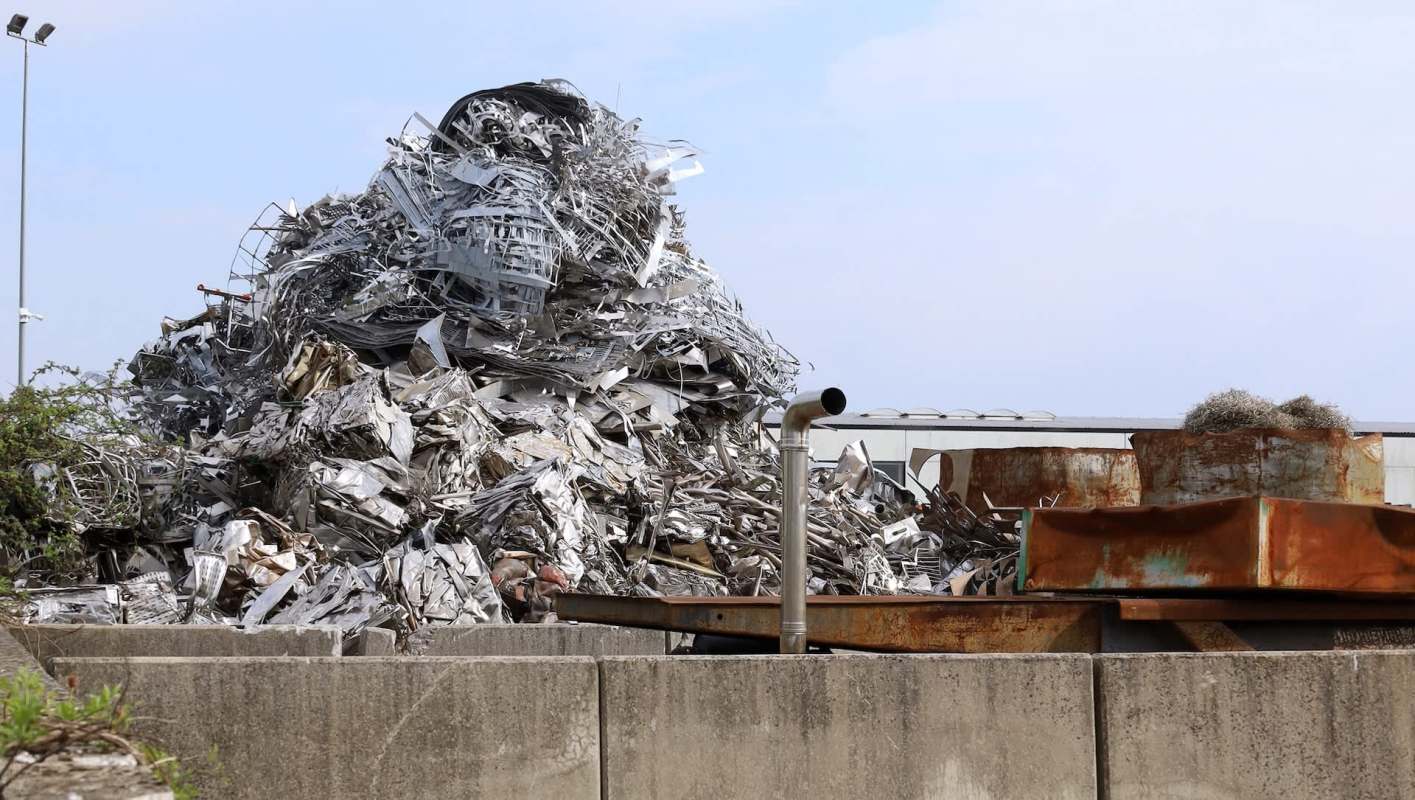
Arizona Attorney General Kris Mayes says Benson residents were right to resist the proposed aluminum recycling plant, and she is warning that her office would be prepared to fight again if the company revives the plan.
When Aluminum Dynamics Inc. announced on June 16 that it was dropping the Benson project, Mayes summed up her stance this way: "As long as they stay out of Benson, I'm done. But if they try to come back we are ready to fight."
What happened?
Mayes told the Herald/Review that her objection was to the placement of the facility in Benson, not to aluminum recycling as an industry.
Before ADI abandoned the proposal, her office had been preparing for a possible nuisance case, the Herald/Review reported.
She said the site's surroundings were the problem.
Recounting a conversation with the CEO, Mayes said she called the location "a terrible idea," asking, "Why would you put it next to a nursing home, and right next to the Benson Elementary, and San Pedro River?"
TCD Picks » Quince Spotlight
💡These best-sellers from Quince deliver affordable, sustainable luxury for all




To underscore how much backlash the proposal generated, Mayes cited a Benson town hall that drew about 250 people and said: "Half the town signed a petition in opposition to ADI."
In her view, that response showed that "a small town can beat a big corporation."
Why does it matter?
The location of major facilities can affect air quality, school safety, traffic, property values, and the health of older adults living nearby.
Even businesses tied to recycling, which can help reduce waste and support cleaner manufacturing when done responsibly, can face strong opposition if communities believe a location could put people or natural resources at risk.
In this case, Mayes framed Benson's win as much a public health issue as a political one.
Her comments suggest Arizona officials may be increasingly willing to challenge projects that residents say threaten nearby communities, particularly when schools, care facilities, and waterways are involved.
In a fast-growing state, disputes over industrial development, water use, and energy demand are becoming more common.
What are people saying?
Reflecting on the campaign against the project, Mayes said, "I'm so proud of [the people of Benson] for fighting for yourself and for proving that a small town can beat a big corporation."
She described the resistance as bipartisan, saying, "It was a super bipartisan effort," and adding that residents were focused on "preserving the health of their kids and their elders.
The Herald/Review likewise highlighted how broad the alliance became, telling Mayes the dispute "brought all kinds of people together who normally never paid attention to each other."

Get TCD's free newsletters for easy tips, smart advice, and a chance to earn $5,000 toward home upgrades. To see more stories like this one, change your Google preferences here.






