


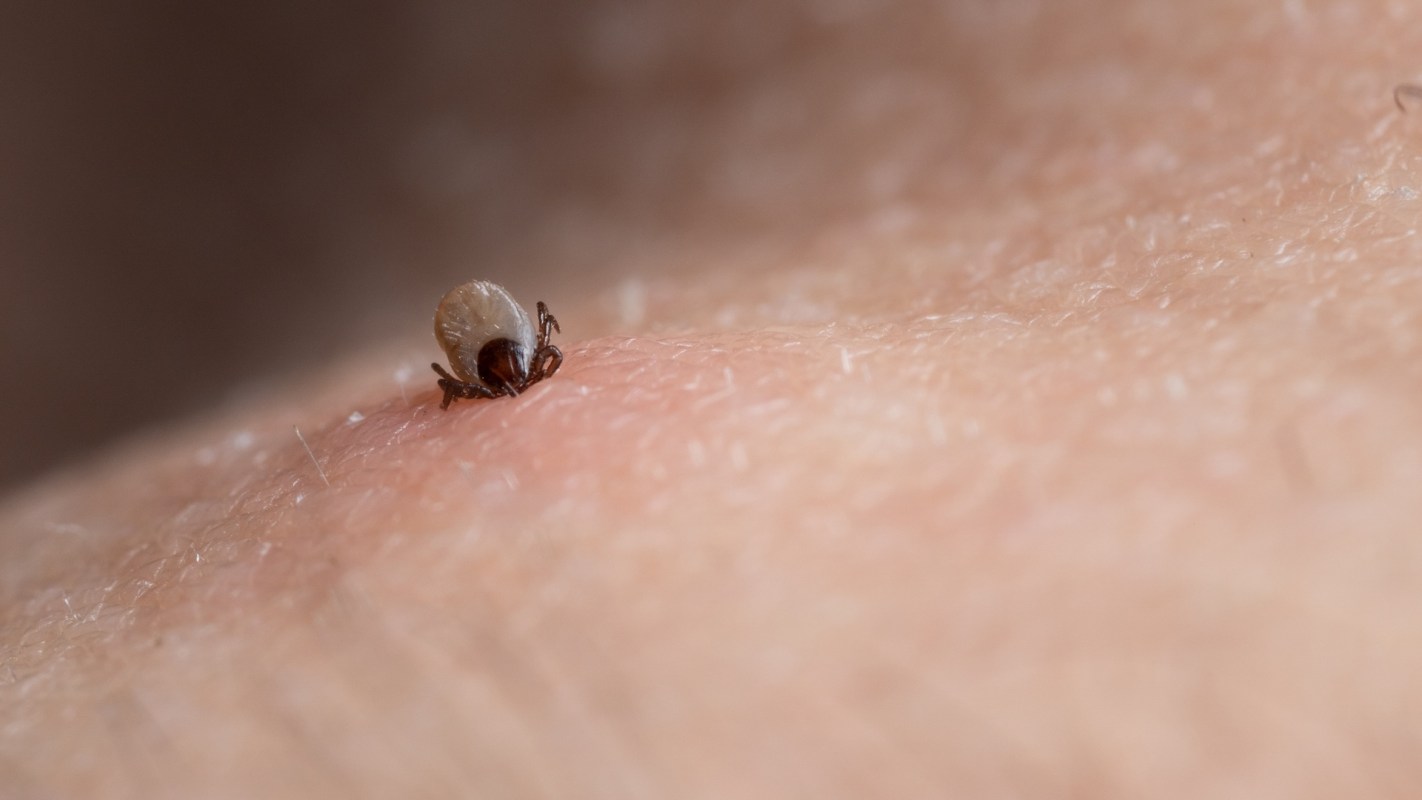
What might seem like an ordinary summer tick bite is being treated more seriously as physicians and public health agencies sound the alarm about the Powassan virus, an uncommon infection that can be deadly and can reach people much faster than many assume.
Compared with Lyme disease, which is typically not transmitted immediately after a tick attaches, the Powassan virus may be passed on in as little as 15 minutes.
What's happening?
As Health and Me reported, emergency physician Dr. Rick Pescatore used a TikTok video to warn that cases are increasing across the United States even though many people still do not know about the virus.
@dr.rickpescatore The conversation about #tick bites isn't confined to #lyme alone. Powassan is spreading and #publichealth resources are stretched thin. #psa #breakingnews ♬ original sound - Dr. Rick Pescatore, BellyMD
"There's a new and deadly tick virus that's spreading across the United States, and you probably haven't heard about it," he said.
The Centers for Disease Control and Prevention says tick exposure can happen year-round, although ticks are generally most active from April through September. The virus is spread mainly by the black-legged tick, also known as the deer tick, which also carries Lyme disease.
According to Health and Me, the tick can transmit the virus to a person about 15 minutes after attaching.
TCD Picks » Quince Spotlight
💡These best-sellers from Quince deliver affordable, sustainable luxury for all




Pescatore said reported cases have climbed steadily over the last decade, and state health departments have been alerting residents after detecting infections.
In one recent case, a 66-year-old man from New Hampshire spent several weeks in the hospital after contracting the virus. He was first admitted to Concord Hospital and later transferred to Massachusetts General Hospital for specialized care.
Why does it matter?
Although the Powassan virus is rare, it can be dangerous. Symptoms may not appear until seven to 30 days after a tick bite and can include fever, headache, vomiting, weakness, confusion, seizures, and difficulty speaking.
Some cases become more severe and lead to encephalitis, or inflammation of the brain, and myelitis, or inflammation of the spinal cord.
Pescatore said that "about one in 10 people with severe disease die, while around half of survivors may experience permanent neurological damage."
What can I do?
Because there is currently no vaccine or antiviral treatment for the Powassan virus, avoiding tick exposure remains the best protection. Public health agencies, including the CDC and National Institutes of Health, recommend taking steps to reduce contact with ticks both before and after time outdoors.
That includes wearing long sleeves and long pants, choosing light-colored clothing so ticks are easier to spot, and tucking pants into socks or otherwise sealing gaps in clothing.
When hiking or spending time in grassy or wooded areas, stay near the center of trails and avoid brushing against vegetation. After coming inside, carefully check your body, clothes, pets, and outdoor gear for ticks, then shower and wash clothing in hot water.
If you do find a tick attached to your skin, use fine-tipped tweezers to remove it right away. Quick action and routine checks can help reduce your risk during peak tick season.

Get TCD's free newsletters for easy tips, smart advice, and a chance to earn $5,000 toward home upgrades. To see more stories like this one, change your Google preferences here.






