


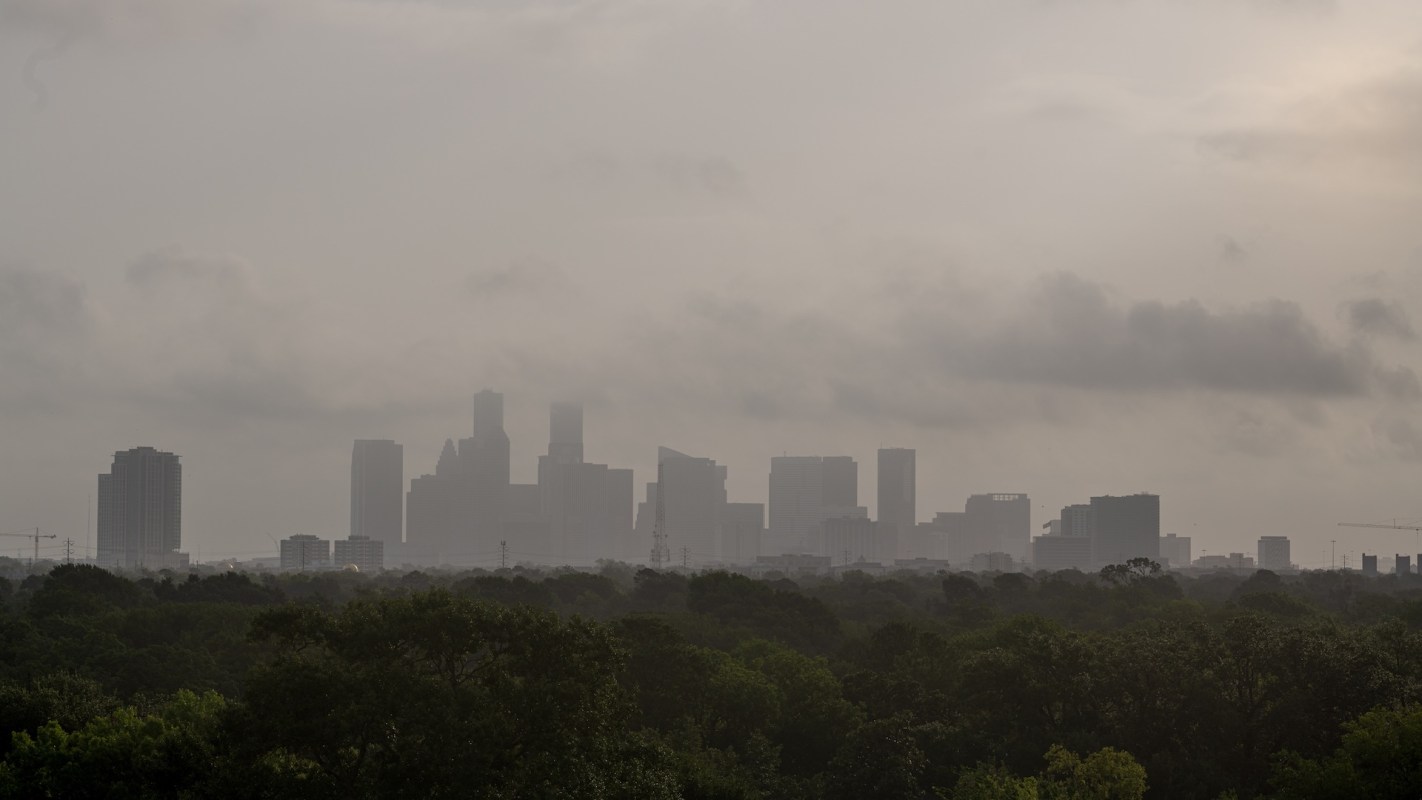
Houston's summer haze has a familiar cause: Saharan dust has returned. For some residents, that can mean duller skies and poorer air quality, but it can also make the environment far offshore less favorable for hurricanes to develop.
What's happening?
After a trip that can take roughly a week, the latest plume has drifted back toward the Gulf Coast, including Texas. KPRC Click2Houston explains that this is part of a summertime pattern in which enormous amounts of dust are lifted from North Africa's Sahara and carried west across the Atlantic.
The process starts during the West African monsoon, KPRC reported. As moist Atlantic air meets hot, dry desert air, thunderstorms and strong wind gusts help lift dust into the warm, dry atmospheric layer known as the Saharan Air Layer.
When these outbreaks are thicker, Houston often notices them as hazier skies and worse air quality. Before that, the dust had crossed the Atlantic, passed through the Caribbean and Gulf of Mexico, and reached Texas.
Because these plumes bring drier air into the tropical atmosphere, meteorologists watch them closely during hurricane season.
Why does it matter?
People with asthma, allergies, or other respiratory conditions are often among those most affected. KPRC Click2Houston noted that the tiny particles can remain suspended in the air and irritate the eyes, nose, and throat.
TCD Picks » Quince Spotlight
💡These best-sellers from Quince deliver affordable, sustainable luxury for all




It does not shut down hurricane season, but in areas touched by the plume, it can reduce the odds that storms will strengthen. As KPRC Click2Houston reported, the very dry air in the Saharan Air Layer pulls moisture from the surrounding atmosphere, making it harder for thunderstorms to organize into tropical storms or hurricanes.
The dust also matters far out over the ocean. As it settles across the Atlantic, it delivers minerals such as iron and phosphorus that feed phytoplankton, which help support the wider marine food web.
What can I do?
Around Houston and elsewhere along the Gulf Coast, Saharan dust is handled much like any other air-quality event. For anyone with asthma or another lung condition, local forecasts and air-quality alerts are especially worth watching.
On hazier days, sensitive groups may want to scale back strenuous outdoor activity to limit irritation. Keeping windows closed, using indoor air filtration when possible, and having medications such as rescue inhalers nearby can also help.

Get TCD's free newsletters for easy tips, smart advice, and a chance to earn $5,000 toward home upgrades. To see more stories like this one, change your Google preferences here.






