


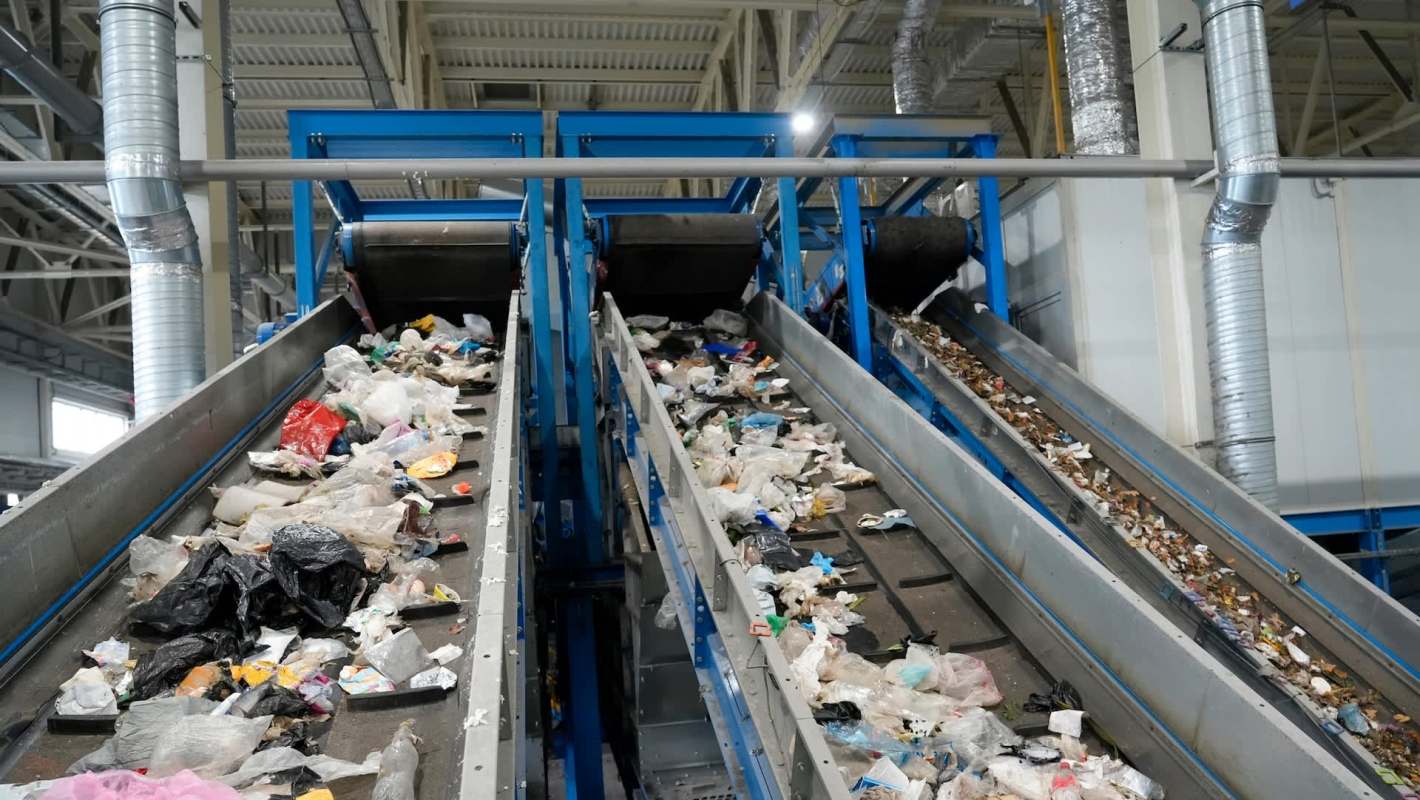
A local news report is giving readers a close-up look at what recycling could look like in Colorado's near future — and it appears faster, smarter, and far less wasteful than many might expect.
Denver7 reported that at Republic Services' Denver recycling plant, AI-driven robots are working alongside employees to pull more recyclable material off conveyor belts, preventing it from ending up in the landfill.
What happened?
Republic Services handles roughly 500 tons of material per day from across the metro area and mountain communities, including Golden, Arvada, Louisville, Vail, and Steamboat Springs, Denver7 reported.
Robots have been part of the plant's operations for years, but newer Glacier machines use camera systems and AI to spot specific materials more accurately and remove them more quickly.
Robotic arms use suction to grab items from the moving belt and drop them into chutes.
The facility's general manager Steve Derus told Denver7 that the robots can make about 60 to 70 picks per minute, while a human sorter typically makes 40 to 50.
TCD Picks » Quince Spotlight
💡These best-sellers from Quince deliver affordable, sustainable luxury for all




"We're not replacing labor here, but we're moving the positions of a sorter into more technical positions," he said. "Jobs like this that are, you know, a couple dollars above minimum wage, we do struggle to find people to come and work at facilities such as this."
Earlier this year, the facility installed two Glacier robots, and Derus said each one costs about $90,000 to install. But overall, the setup is keeping about 25 tons of residue out of the landfill each day.
Why does it matter?
When more recyclable material is successfully recovered, less waste is hauled away and buried, helping ease strain on landfills while keeping communities cleaner.
Improved sorting also creates higher-quality recycled material that can be sold for more, Derus said. The robots are also helping move workers out of sorting roles and into more technical, potentially more stable jobs such as maintenance, forklift operation, and equipment support.
And while smarter sorting technology is a major step forward, reducing waste at the source still matters too — especially by choosing reusable or plastic-free everyday products.
"It's the way of the future," Derus said.

Get TCD's free newsletters for easy tips, smart advice, and a chance to earn $5,000 toward home upgrades. To see more stories like this one, change your Google preferences here.






