


Nearly 30 years after a centuries-old shipwreck off England's southern coast was found, researchers have finally identified the boat's origin.
Researchers now say the wreck, which lies off the coast near Devon County, was the Dom van Keulen, a Dutch merchant ship lost in 1633.
What happened?
According to a report from Archaeology News Magazine, more than 400 gold coins were recovered from the seabed when divers located the site in 1995. The vessel's origins and cargo remained uncertain for years.
The publication noted that a new book — "From Morocco to the Coast of England: The Story of the Dom van Keulen" — connects the wreck to a Dutch trading voyage that sailed from Morocco to the Netherlands in the autumn of 1633.
After examining National Archives records, historian Ian Friel found accounts of a ship called Dom van Keulen running into severe storms on its northbound journey. The vessel began taking on water and eventually sank near the English coast.
The records also revealed that the entire crew survived the wreck.
TCD Picks » Quince Spotlight
💡These best-sellers from Quince deliver affordable, sustainable luxury for all




According to historical records that Archaeology News Magazine cited, the cargo included about 9,000 Barbary ducats, Moroccan-minted gold coins, 150 bags of gum arabic, 64 bags of saltpeter, and 320 goat skins.
Although much of the cargo was likely salvaged soon after the sinking, hundreds of the coins appear to have remained underwater for more than 300 years.
Why is this shipwreck important?
The identification ties the wreck to a commercial route linking North Africa, the Netherlands, and England. It was part of a trading route that carried goods used in manufacturing, trade, and everyday life.
Recovered items also included pottery and jewelry, a fish-shaped sounding weight, and a gold finger nugget.
Taken together, those objects can offer insight into what ships transported and how international trading networks used to work.
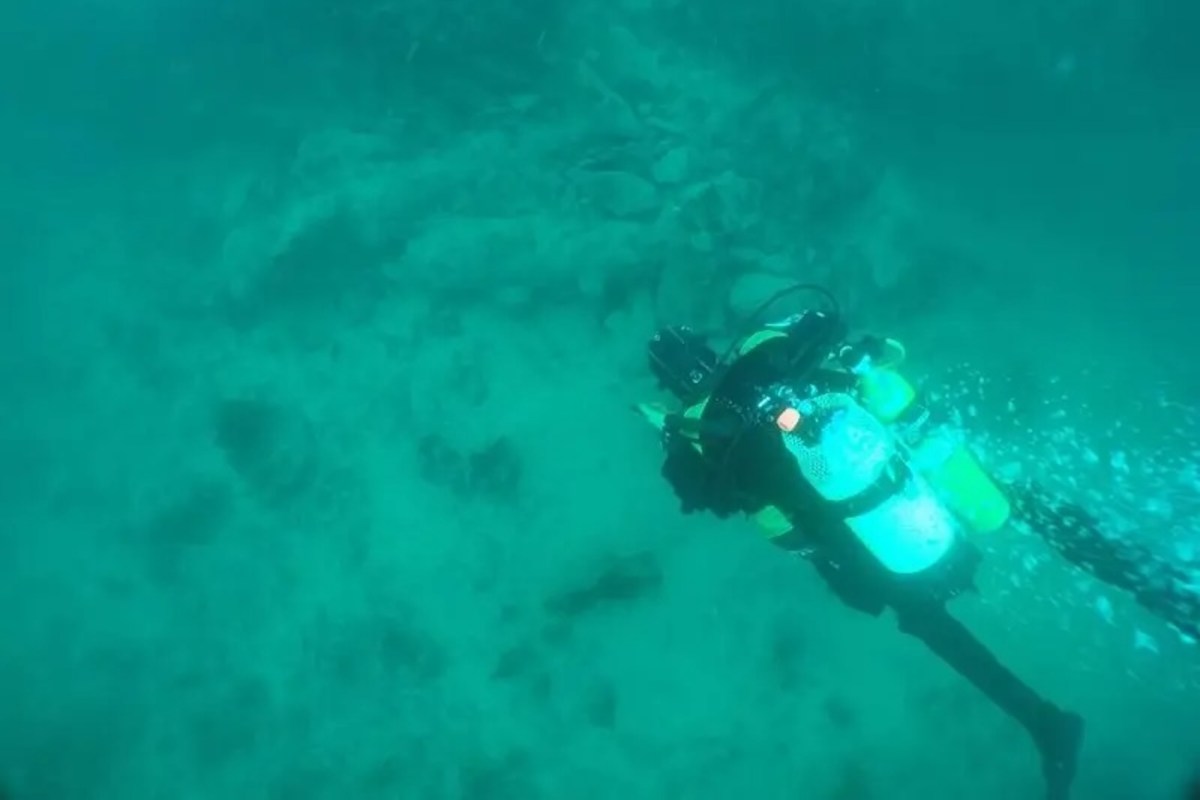
Spanning nearly 100 feet across the seabed at a depth of roughly 60 feet, the site is legally protected in Britain and overseen by Historic England.

Get TCD's free newsletters for easy tips, smart advice, and a chance to earn $5,000 toward home upgrades. To see more stories like this one, change your Google preferences here.






