


Philadelphia's decadelong effort to cut energy waste is producing results that extend far beyond lower utility bills.
Since 2016, the city's energy campaign has generated job growth, new investment, and more than $1.4 billion in savings.
For homeowners, going solar is one of the best ways to save money on home energy.
What happened?
Utility Dive described the campaign's impact in three big numbers: over $1.4 billion in energy savings, $1.3 billion in economic investment, and more than 11,000 jobs tied to the effort.
Beyond those totals, the alliance among the Philadelphia Energy Authority, the city, and the City Council is generating $25.3 million annually in tax revenue and directing more than $130 million annually into energy efficiency and infrastructure.
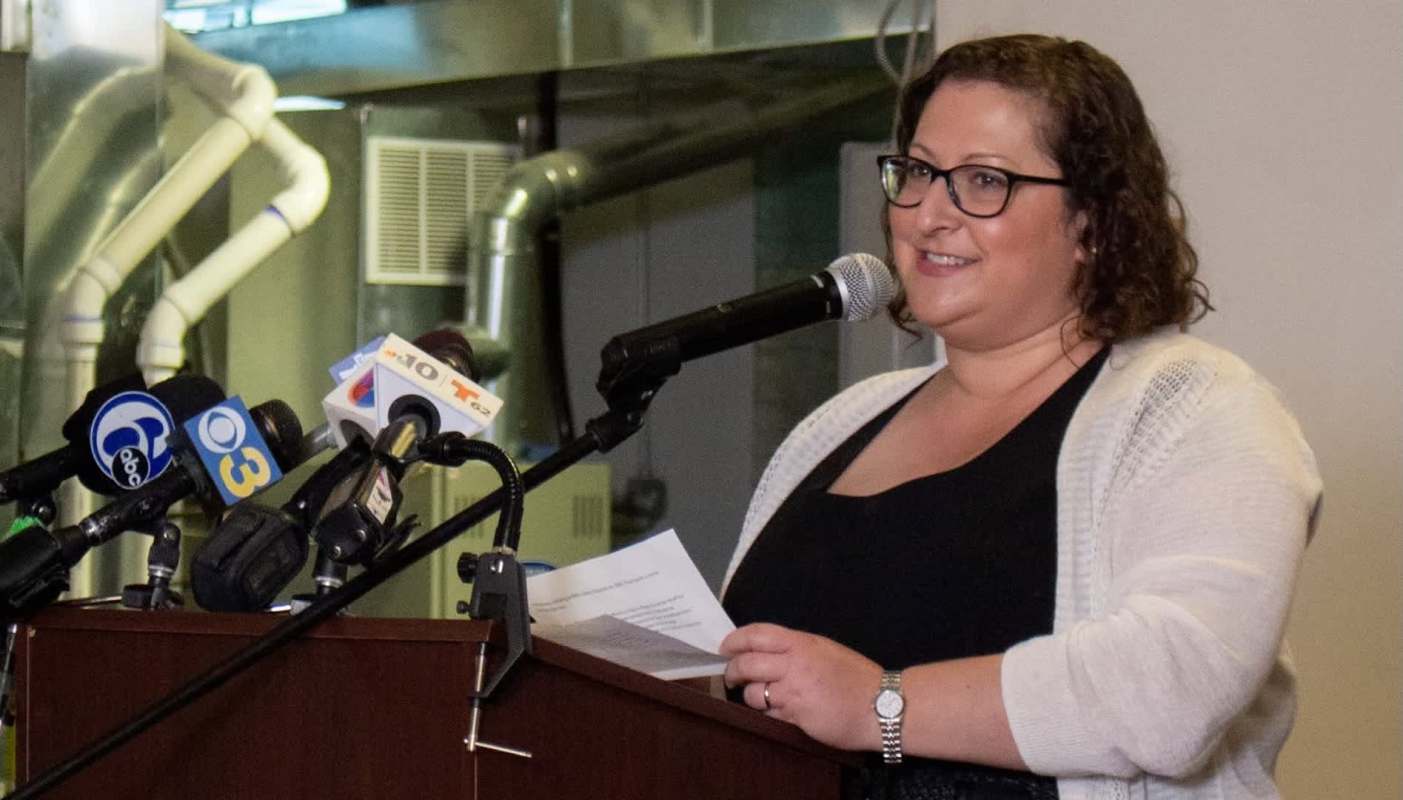
To show how much value the effort produced from city support, Philadelphia Energy Authority President and CEO Emily Schapira said: "We got $14.7 million total over the 10 years from the city of Philadelphia towards our operating budget. That was their investment. And we turned that into $1.3 billion and over 11,000 jobs."
Instead of centering on one flagship project, the campaign used what Schapira called a "Jenga approach," moving where quick progress seemed possible. That method contributed to more than 130,000 LED streetlights, upgrades at the Philadelphia Museum of Art that reduced electricity use by 28%, and programs aimed at reducing water losses from leaking pipes.
Why does it matter?
Along with lowering emissions, the effort, according to the report, "has saved millions in utility bills for the City of Philadelphia, homeowners, and commercial property owners."
Save $10,000 on solar panels without even sharing your phone number Want to go solar but not sure who to trust? EnergySage has your back with free and transparent quotes from fully vetted providers that can help you save as much as $10k on installation. To get started, just answer a few questions about your home — no phone number required. Within a day or two, EnergySage will email you the best local options for your needs, and their expert advisers can help you compare quotes and pick a winner. |

Through the Built to Last program, more than 400 low-income homeowners have received repair and energy upgrades, with estimated yearly savings of $300 to $1,000 per household.
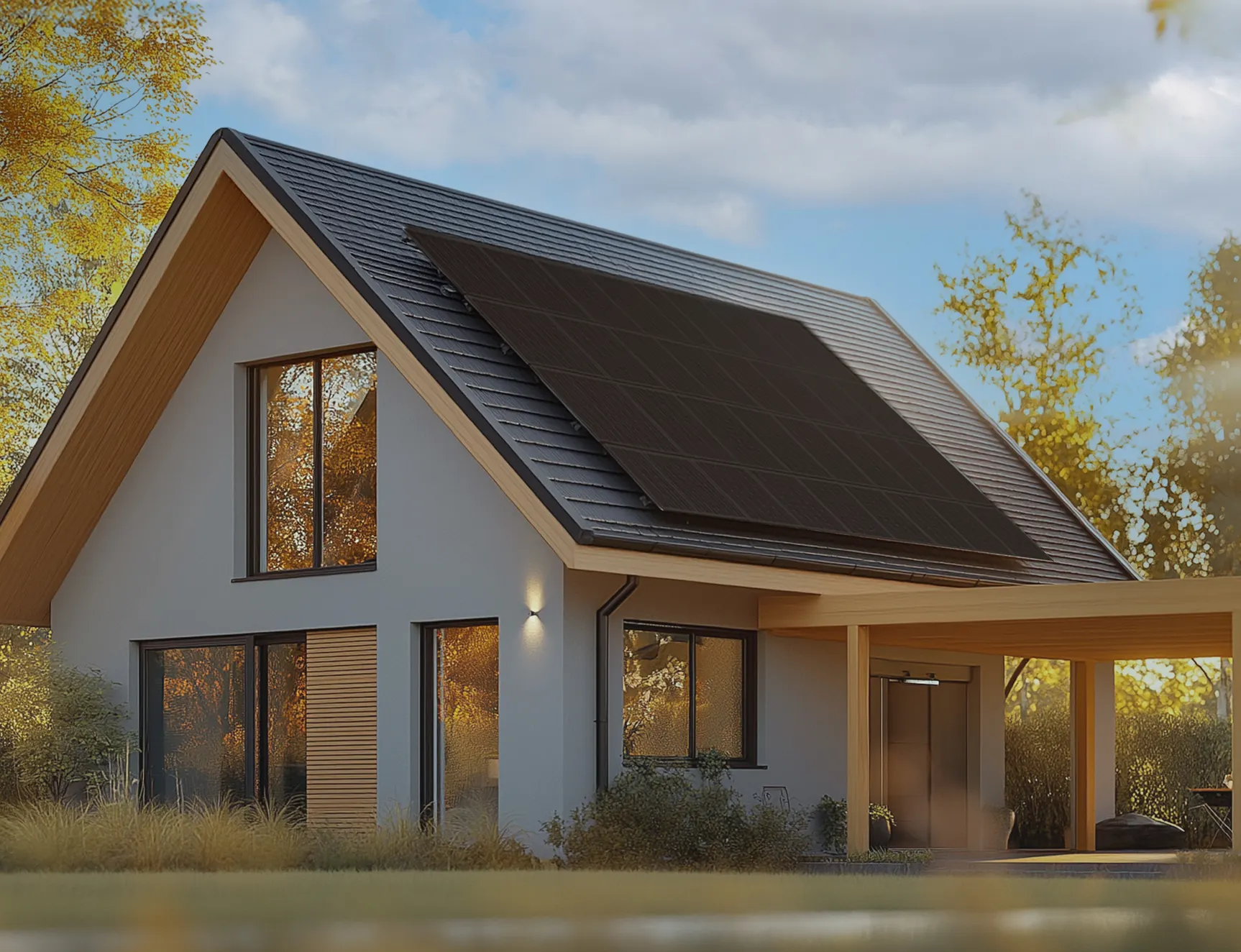
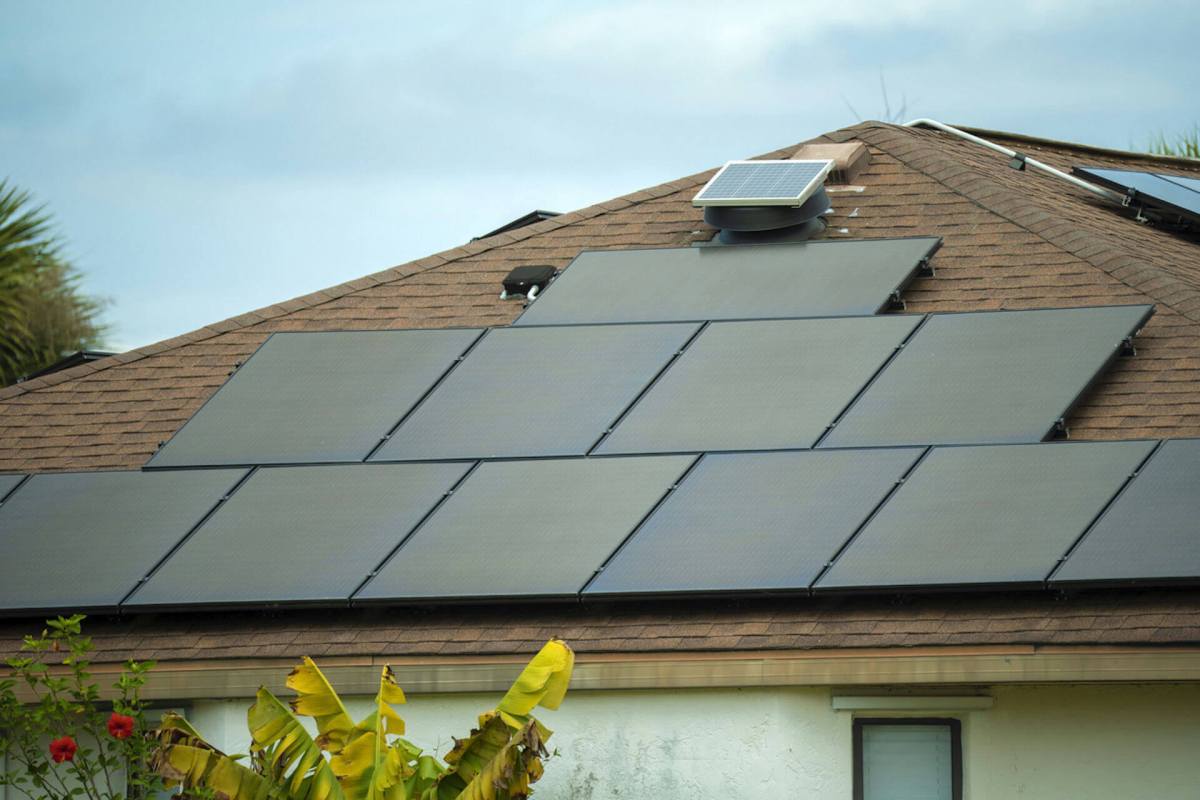
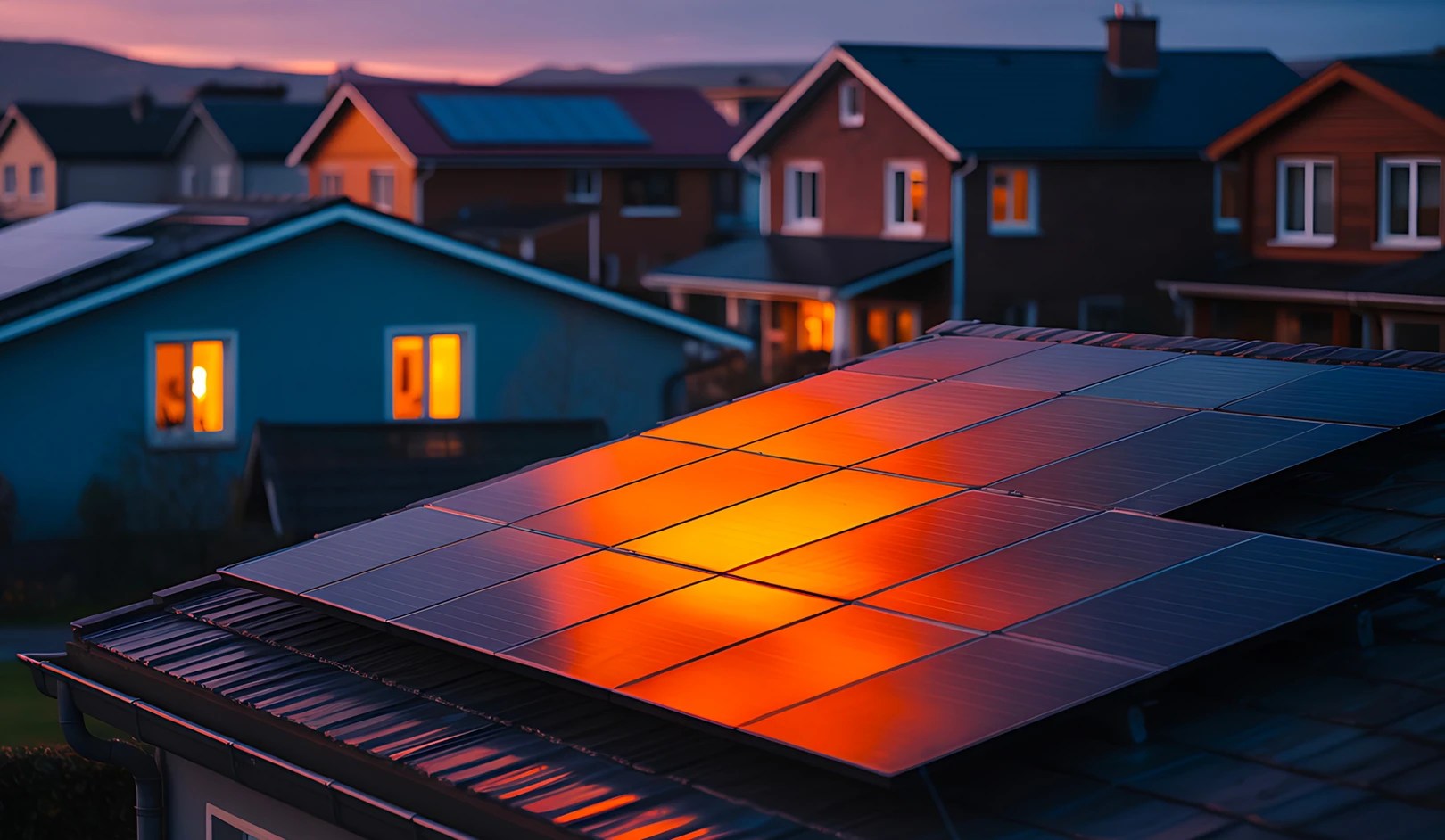
Another major piece of the campaign has been widening access to solar. Solarize Greater Philadelphia has helped more than 4,300 homeowners install solar systems, and over half of them are low-income residents.
What's being done?
Part of the reason the campaign has been able to expand is the way it combines different funding sources.
Schapira said, "The stacking and layering of different types of funding is really the unique thing that's happening in Philadelphia," referring to an approach that pairs private capital with public and philanthropic backing.
More From EnergySage
💡Go deep on the latest news and trends shaping the residential solar landscape

Commercial Property Assessed Clean Energy financing has been one of the main tools, supporting about $400 million across 22 projects.
The Philadelphia Green Capital Corp., a nonprofit green bank launched in 2021, has also widened access to lower-cost financing for renewable energy and efficiency projects.
Despite the loss of federal backing, including a $156 million Solar for All award, Schapira said: "Our model is incredibly resilient on purpose."

Get TCD's free newsletters for easy tips, smart advice, and a chance to earn $5,000 toward home upgrades. To see more stories like this one, change your Google preferences here.






