


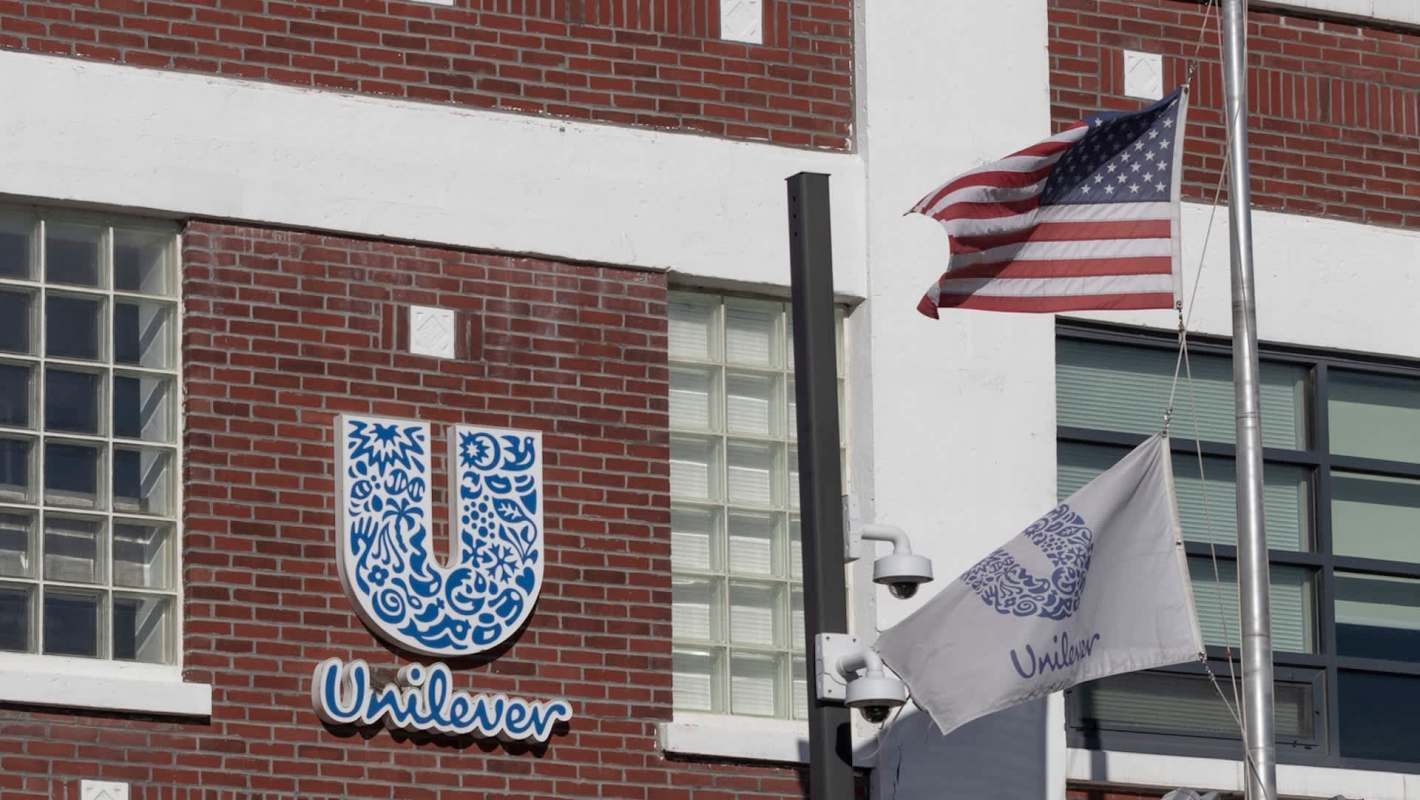
After a watchdog organization found that a dishwashing liquid's label gave buyers conflicting messages between the front of the bottle and the fine print, its "plant-based" wording is being changed.
What happened?
According to News24, the Advertising Regulatory Board directed Unilever to change wording on its Sunlight Platinum dishwashing liquid packaging after deciding that the "100% plant-based active" claim was misleading.
The case was triggered by a consumer complaint highlighting a mismatch on the label. There was prominent plant-based wording on the front, alongside a small-print note on the back stating that "other non-plant-based actives are included."
In response, Unilever said the product includes rhamnolipid, which it described as being made from sugar via biological fermentation. The front label was meant to draw attention to that surfactant. The company also said the non-plant-based ingredients appear on the back.
However, the watchdog rejected that explanation, saying an ordinary buyer could take "100% plant-based active" to mean either the entire product or all of its active ingredients are plant-based, rather than just a single highlighted ingredient.
Unilever now has three months to update the packaging claim.
TCD Picks » Quince Spotlight
💡These best-sellers from Quince deliver affordable, sustainable luxury for all




Why does it matter?
Many consumers seek out products they believe are safer for their homes or better for the environment.
When packaging suggests a cleaner or more natural formula than what is actually inside, shoppers can end up making purchasing decisions based on incomplete or distorted information.
"Green" branding has become a major selling point. Companies know consumers are paying closer attention to ingredients, health concerns, and environmental impact.
The ARB recognized that such claims can matter a great deal to people trying to reduce their exposure to chemicals for health or environmental reasons.
Misleading sustainability language is not just a marketing issue. It can create health issues for consumers who are avoiding things due to allergies or health problems, and erodes public trust in a brand. With people often paying a premium for plant-based products, or organic products, having misleading sustainability messaging is a good way to see your business dry up in a hurry.
What's being done?
For now, the direct consequence is regulatory. The ARB has given Unilever three months to revise the wording on the packaging.
The decision also sends a broader warning to brands that front-of-package sustainability claims cannot rely on back-label caveats to correct a misleading impression. If a statement creates confusion on the shelf, it's still seen as deceptive by regulators, no matter the disclaimers you may include on the back of the label.
As reported by News24, the ARB said, "Simply put, it is not permissible to make a statement that is confusing at best, and misleading at worst, on the front of a product, and then clarify on the back of the product that this is not the only active ingredient."
It added, "This is, in effect, a type of greenwashing."

Get TCD's free newsletters for easy tips, smart advice, and a chance to earn $5,000 toward home upgrades. To see more stories like this one, change your Google preferences here.







