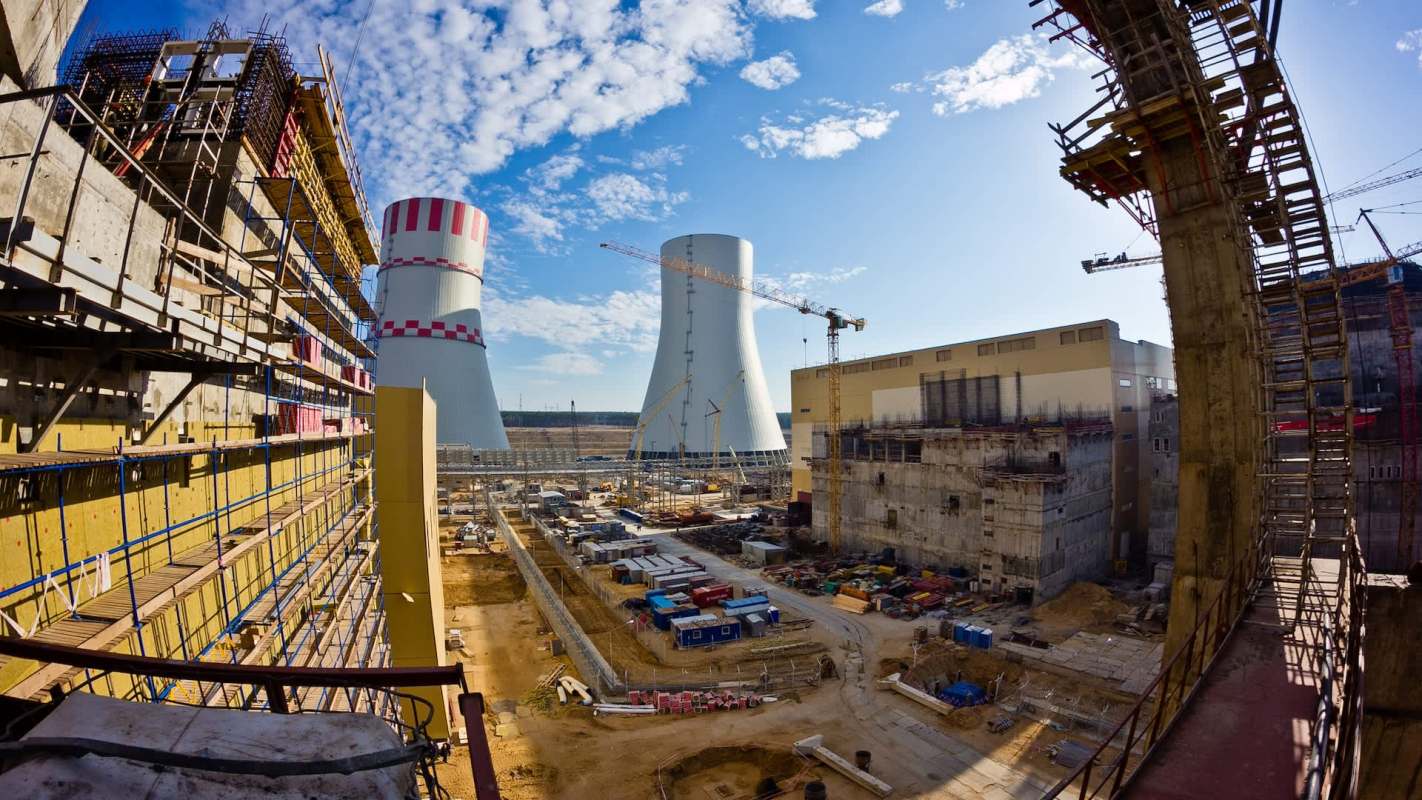
Nuclear power is back in focus after the Department of Energy unveiled plans to support 10 large reactors with $17.5 billion in loans.
Officials say the money could cut as much as three years from deployment schedules, potentially bringing additional always-on electricity online sooner as U.S. power demand rises.
What happened?
On Tuesday, CNBC reported that the DOE planned to make $17.5 billion in loans available for 10 large nuclear reactors spread across five projects.
Those projects are each expected to use two Westinghouse AP1000 reactors, CNBC reported. Each reactor can generate about 1.1 gigawatts of power, enough for more than 800,000 homes.
According to Energy Secretary Chris Wright, the loans are meant to bring down building costs by financing major components that are both expensive and time-consuming to make.
Officials have not yet identified which sites would receive the funding. Westinghouse has letters of intent with seven possible utility or energy partners, and Wright would say only that the locations are "geographically spread across the country."
TCD Picks » Quince Spotlight
💡These best-sellers from Quince deliver affordable, sustainable luxury for all




Rather than going straight to Westinghouse, the money would be directed to five special purpose vehicles.
Greg Beard, who heads the department's loan office, said each would need nearly $1 billion in equity from Westinghouse and its partners before the loans are disbursed.
Why does it matter?
The announcement pushes nuclear power back toward the center of the U.S. energy conversation.
Large reactors can provide steady, low-pollution electricity without the air pollution that comes from burning fossil fuels, making them appealing for a grid facing rising demand from data centers and artificial intelligence.
TCD Picks » Quince Spotlight
💡These best-sellers from Quince deliver affordable, sustainable luxury for all
At the same time, nuclear power comes with significant trade-offs. New plants are notoriously expensive and slow to build, and the industry continues to face public concerns over radioactive waste, accident risk, and the broader proliferation issues tied to nuclear technology.
Even many supporters acknowledge that nuclear energy is not a quick fix on its own.
The administration appears to see these projects as a way to strengthen energy security while helping meet future electricity needs.
President Donald Trump signed an executive order in May that set a 2030 goal to begin construction of 10 large reactors.
The AP1000, meanwhile, remains the only large reactor design licensed for use in the United States.
What are people saying?
Beard pointed to a potential new source of financial support: major tech companies.
He said the administration expects Big Tech to sign long-term power purchase agreements to help underpin reactor construction as it seeks dependable, emissions-free electricity for AI data centers.
After the announcement, shares of Cameco, Westinghouse's parent company, rose over 1%.

Get TCD's free newsletters for easy tips, smart advice, and a chance to earn $5,000 toward home upgrades. To see more stories like this one, change your Google preferences here.