


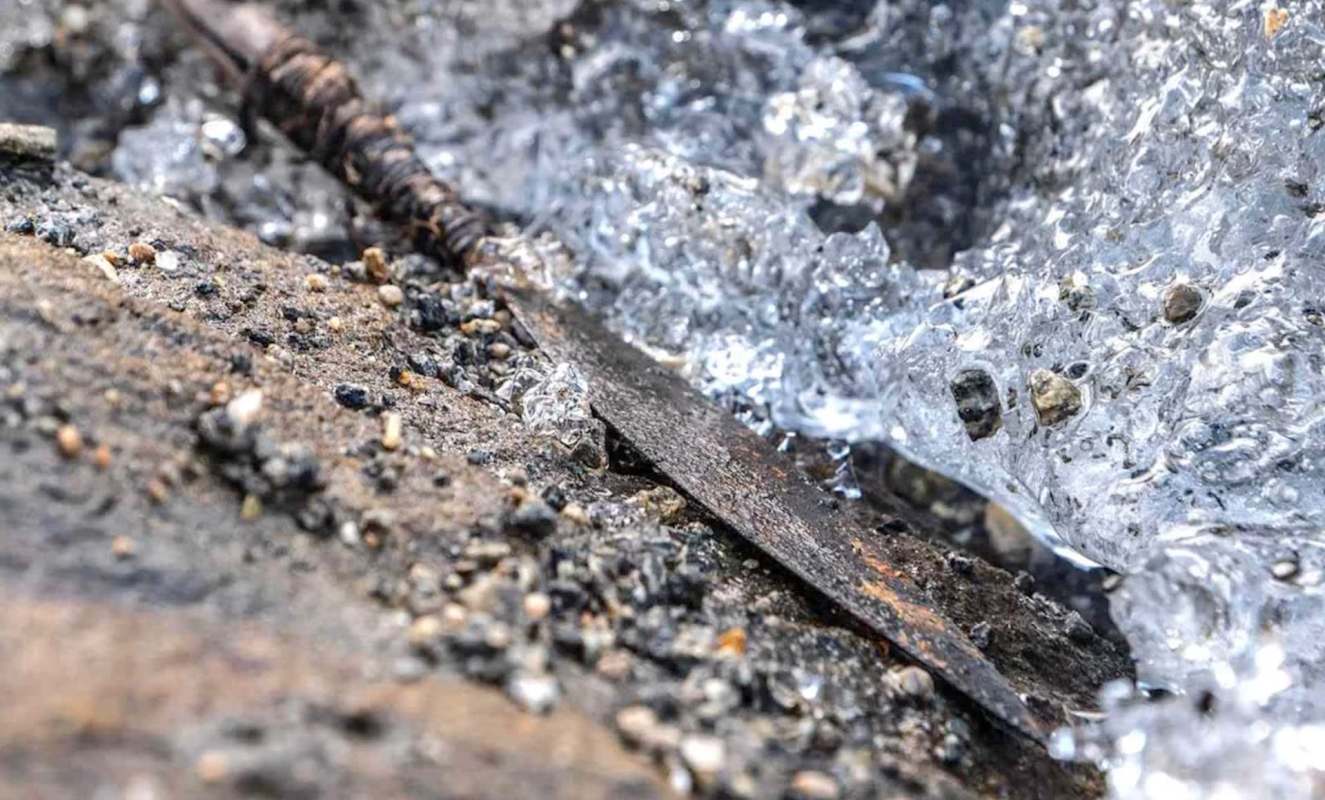
A melting patch of mountain ice in Norway has become one of archaeology's most remarkable windows into the past.
What happened?
According to a People Magazine report, in 2006, Norwegian hiker Reidar Marstein came across an ancient leather shoe protruding from thawing ice and reported it to an archaeologist. The show was discovered to be 3,400 years old.
Smithsonian Magazine said that moment helped spark Norway's Secrets of the Ice project, whose team has now retrieved about 4,500 objects from mountain ice.
Those recoveries capture human activity across thousands of years. Researchers have found clothing, textiles, hunting tools, and travel gear, along with a 3,000-year-old arrow tied to a Bronze Age reindeer hunter and, as Smithsonian Magazine noted, the world's oldest intact pair of wooden skis.
Many of the artifacts reflect the ordinary belongings people once brought into the high mountains for work, hunting, and travel, crossing that landscape long before modern roads or outdoor gear existed, in animal-hide shoes and with handmade tools.
Why does it matter?
Despite the interesting discoveries, scientists warn that there is a narrow window in which recovery is viable before an artifact melts out of the ice and degrades.
TCD Picks » Quince Spotlight
💡These best-sellers from Quince deliver affordable, sustainable luxury for all




The thaw that exposes these artifacts also threatens them. Mountain ice preserved fragile materials such as wood, leather, and textiles for centuries by serving as a natural freezer. Once those items are out in the open, though, sunlight, wind, rain, and microbes can quickly damage them.
Because of that, archaeologists search during the melt season to save newly exposed pieces before they are lost. Meanwhile, rising temperatures are altering landscapes and could erase parts of the human story before scientists and communities can fully make sense of them.
The loss reaches beyond museums. Cultural heritage helps people trace how earlier societies adapted to harsh environments, moved across regions, and used natural resources. When that record vanishes, so does knowledge that could help inform the future, even as warming temperatures continue to disrupt ecosystems, water systems, and communities around the world.
What are people saying?
Julian Post-Melbye, a glacial archaeologist, told Smithsonian Magazine, "Everything we've found from prehistory had to be carried up by somebody in animal-hide leather shoes." He added, "it's humbling" to walk that same landscape today with modern equipment.
William Taylor, an archaeologist at the University of Colorado Museum of Natural History, also told Smithsonian Magazine: "There are so many chapters of the human story preserved in rare and rapidly melting mountain ice."
Taylor further warned how little time may remain: "I fear that most of the incredible cultural heritage and scientific knowledge stored within will be gone within a handful of years."

Get TCD's free newsletters for easy tips, smart advice, and a chance to earn $5,000 toward home upgrades. To see more stories like this one, change your Google preferences here.






