


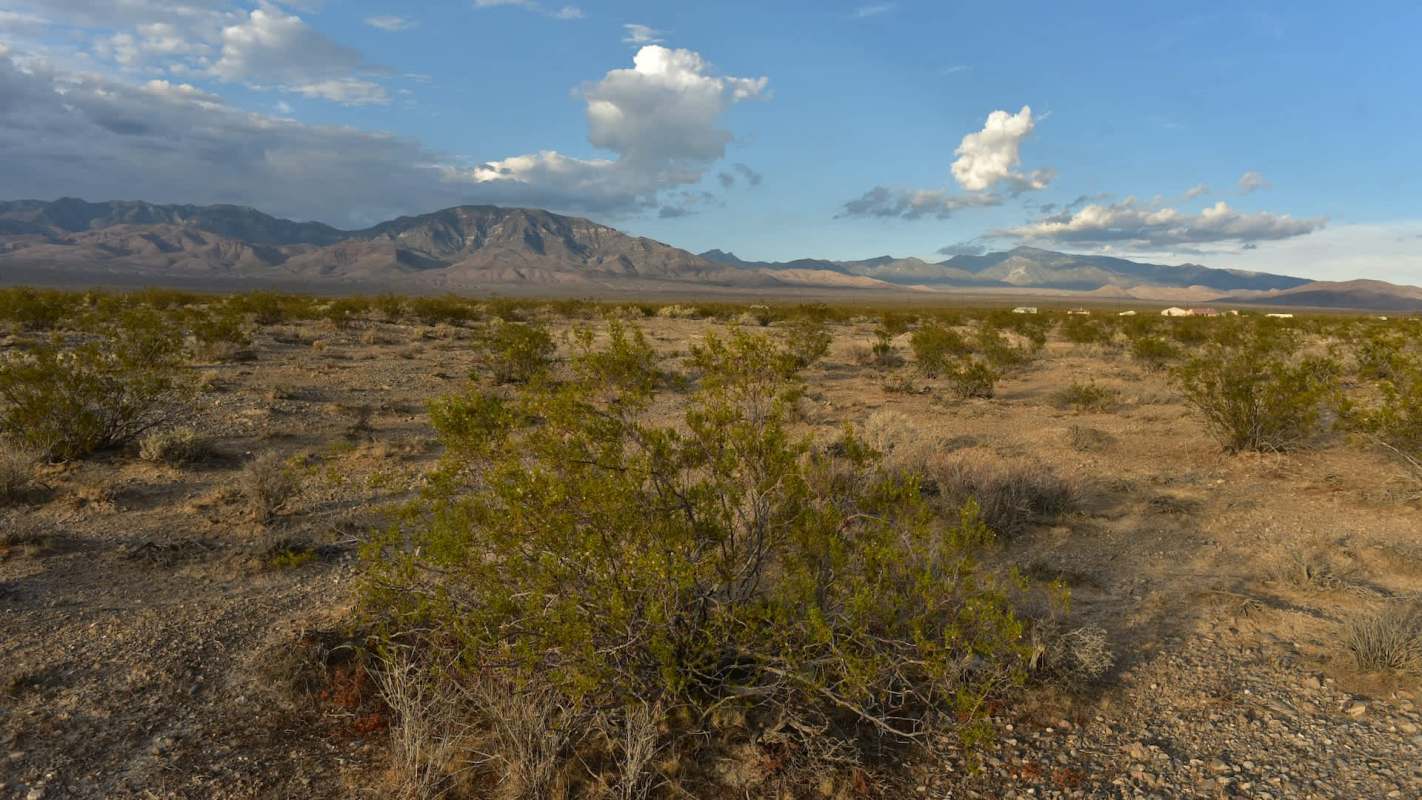
Federal officials have taken another step toward approving a huge solar complex in southern Nevada.
What's happening?
As the Nevada Current detailed, if built, the Purple Sage Energy Center would rank among the state's largest projects and, according to Noble Solar LLC, it would produce enough electricity each year for more than 100,000 homes.
However, critics have warned that this proposed development could lead to temporary heavy groundwater use during construction, potentially affect the desert tortoise population, and pose a risk to Ice Age fossil areas.
The Current said roughly 900 acre-feet of water would be used during the buildout, after which it would drop to just 28 per year and that "the project footprint has been modified and reduced over the past four years to lessen impacts to the region's important resources."
One impact that would remain is the temporary removal of tortoises for their safety, along with the permanent changes to the landscape, though solar farms are typically more known for helping wildlife with shelter and shade than causing problems once built.
Still, as with any urbanization, the conversion of wild spaces to residential, commercial, or industrial use has consequences that should not be overlooked when weighing pros and cons.
TCD Picks » Quince Spotlight
💡These best-sellers from Quince deliver affordable, sustainable luxury for all




The Bureau of Land Management has published a final environmental review and resource management plan for Purple Sage Energy Center. The proposed facility would span more than 4,500 acres of public land near the Nevada-California line, about 13 miles south of Pahrump, and is designed as a 400-megawatt solar project.
According to the Nevada Current, Noble Solar LLC said the site could produce more than 1.2 million megawatts of solar energy annually once completed. Plans also call for battery storage and a transmission line connecting the project to the Trout Canyon Substation in Clark County.
The final review is notable because federal solar permitting had been slowed after President Donald Trump's "Unleashing American Energy" executive order, followed by an Interior Department directive requiring Interior Secretary Doug Burgum to personally approve solar and wind projects on public land.
The agency's decision has now entered a 30-day protest period that runs through July 13, 2026.
Why does it matter?
More utility-scale solar would add cleaner electricity to the grid, reduce dependence on polluting fuels, and help keep power supplies reliable as energy demand continues to climb.
Going solar doesn't just extend to large corporations building these large-scale projects, however. Anyone can switch to solar in their household if they take advantage of resources such as EnergySage. The company can help you go solar with its free tools, saving you up to $10,000 in the process by helping you curate competitive bids from local installers.
If you're not ready to spend up front, Palmetto's $0-down LightReach solar leasing program can lower your utility rate by up to 20%.
Nevada Current reported that the project's parent company, Primergy Solar, already has a deal with San Diego Community Power.
The development could also provide a local economic boost. Although the project received a partial tax abatement from the Nevada Governor's Office of Energy, Noble Solar LLC expected the development could contribute roughly $90 million in local taxes over its lifetime for schools and Clark County infrastructure.
However, it could pose environmental risks due to the resources required to build this large-scale solar farm. BLM's review said the project would permanently damage nearly 860 acres of existing habitat.
Meanwhile, roughly 900 acre-feet of water could be used during the 18-month construction period, putting a significant strain on local resources.
Objections from conservation groups extend to Ice Age fossils, mesquite woodlands, rare plants, and the threatened desert tortoises that will have to be removed from their habitat for the project's construction.
What are people saying?
Kevin Emmerich, co-founder of Basin and Range Watch, criticized the proposal.
"Conservation of natural and cultural resources has taken a back seat to the BLM's infrastructure plans for the region," he told the Nevada Current.
BLM, however, said its recommended alternative "would minimize long-term disturbance to vegetation and soils" and "decrease the likelihood of invasive grasses by increasing the return of native plants."
It also said it would help "reduce the risk of Valley Fever" by restoring native vegetation more quickly.

Get TCD's free newsletters for easy tips, smart advice, and a chance to earn $5,000 toward home upgrades. To see more stories like this one, change your Google preferences here.






