


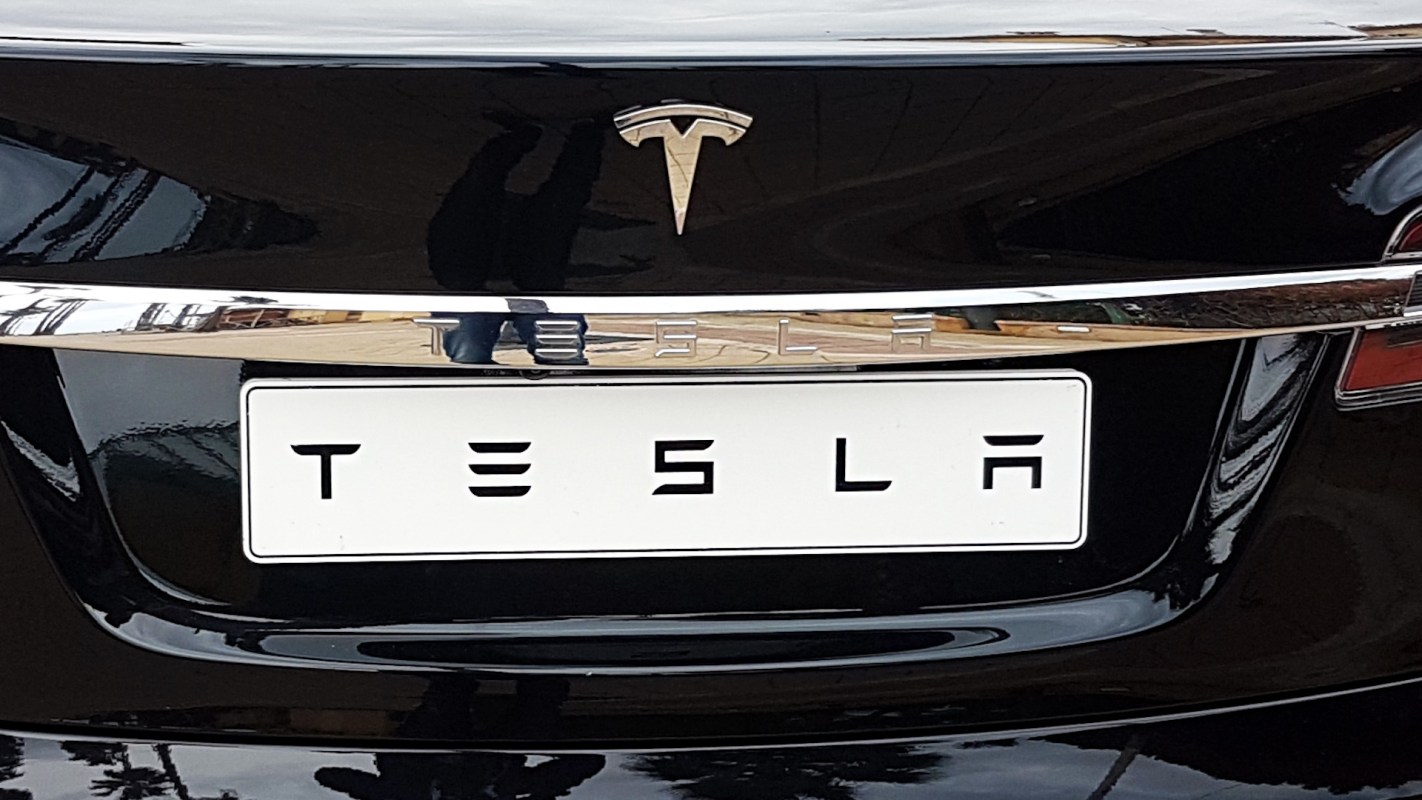
Two U.S. senators are challenging one of Tesla's biggest safety talking points, saying it does not hold up under closer scrutiny.
What happened?
After a Reuters investigation into Tesla's safety claims, Democratic Senators Edward Markey of Massachusetts and Richard Blumenthal of Connecticut sent a letter to the National Highway Traffic Safety Administration on June 15.
At the center of the dispute is Tesla's claim that Full Self-Driving is "10 times safer" than human drivers, Autoblog reported.
The senators argued that the company relied on "weak and misleading" numbers by comparing FSD crashes serious enough to trigger airbags with national crash data that also counts much less severe wrecks, which Autoblog described as an "apples-to-oranges comparison."
The senators also raised concerns about Tesla measuring its newer electric vehicles against the overall U.S. vehicle fleet, which includes many older cars built with different safety technology.
Critics have said that using the average U.S. vehicle fleet as a comparison can make Tesla's newer EVs appear safer by a wider margin than they might when compared with more recent vehicles that have modern safety systems.
TCD Picks » Quince Spotlight
💡These best-sellers from Quince deliver affordable, sustainable luxury for all




The senators asked the NHTSA to respond by July 7, increasing attention on how Tesla promotes one of its most visible features.
Why does it matter?
Safety claims can shape buying decisions and driving behavior. If shoppers are persuaded by statistics that regulators later find confusing or incomplete, they may spend thousands on software features with a different risk profile than they expected.
If drivers come away believing the technology is dramatically safer than it really is, that could also encourage overconfidence behind the wheel.
Encouraging drivers to switch from gas-guzzling cars to electric vehicles is essential for reducing transportation-related pollution, which contributes to rising temperatures and degrades air quality. If trust in EVs is lost, the transition becomes much more difficult.
Now, attention will turn to NHTSA and whether the agency agrees that Tesla's "10 times safer" claim needs a harder look.

Get TCD's free newsletters for easy tips, smart advice, and a chance to earn $5,000 toward home upgrades. To see more stories like this one, change your Google preferences here.






