


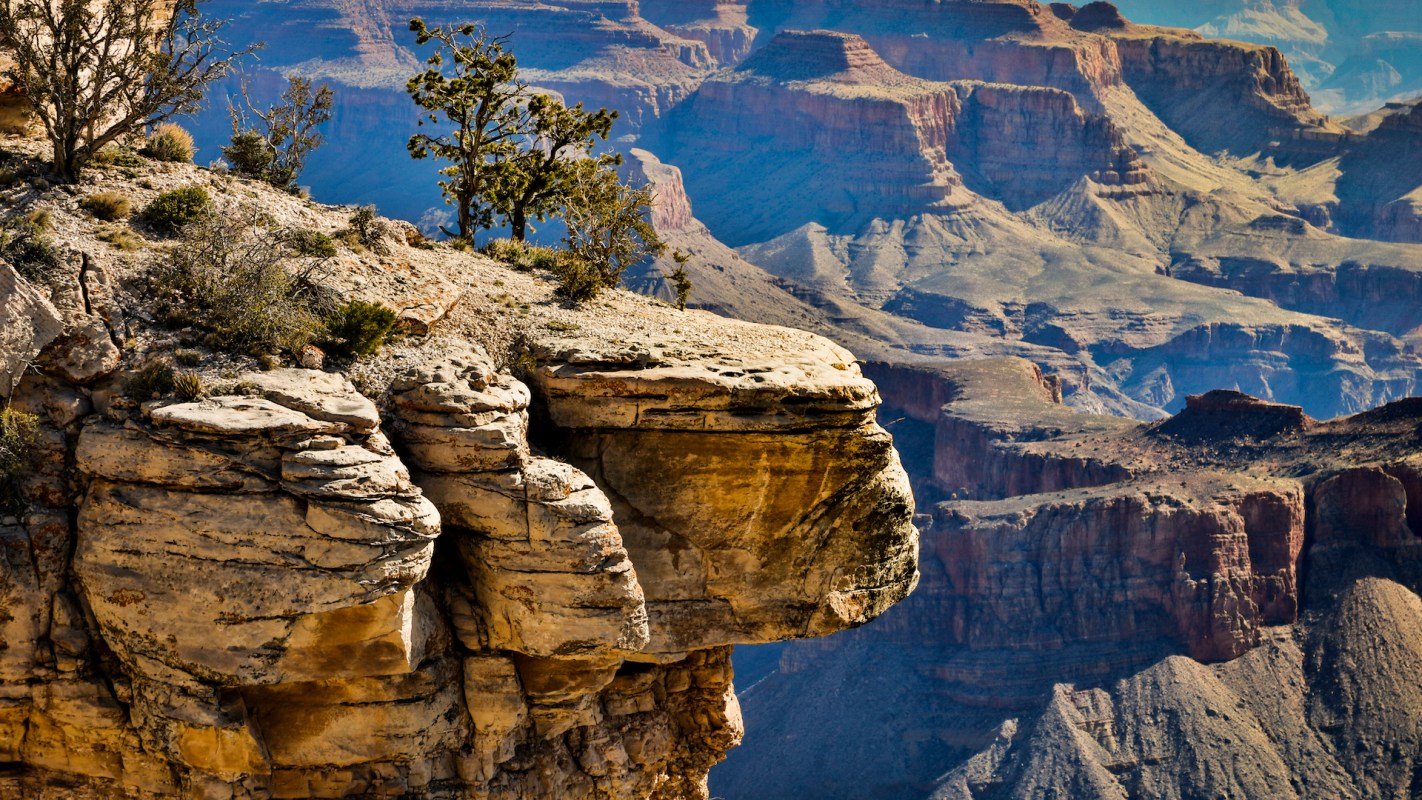
Three hikers died in just four days at Grand Canyon National Park, where summer temperatures on Inner Canyon trails can turn deadly with alarming speed, People reported.
What happened?
The hikers reportedly died in two separate heat-related incidents at the Arizona park.
A GCNP press release stated that a 72-year-old man had died on June 12 on the South Kaibab Trail after showing signs of heat-related illness. Then, on June 16, a 67-year-old man and a 68-year-old woman had seemingly died from heat-related illness while hiking.
Rangers have repeatedly warned visitors not to attempt a summer trip to the river and back in a single day. Even in the shade, temperatures on Inner Canyon trails may rise above 109 degrees Fahrenheit.
Heat can overwhelm even experienced hikers, especially on steep routes with little shade and a long climb back out.
Park officials urge hikers to begin early, carry plenty of water, and turn around before exhaustion sets in, according to People. They also say heat is among the deadliest dangers at the Grand Canyon.
TCD Picks » Quince Spotlight
💡These best-sellers from Quince deliver affordable, sustainable luxury for all




Why does it matter?
Extreme heat is a major public health threat. High temperatures can quickly lead to dehydration, heat exhaustion, and heat stroke, particularly for older adults, people with underlying health conditions, and anyone exerting themselves outdoors.
Extreme weather events also threaten lives and livelihoods far beyond national parks. Hotter, longer heat waves can strain emergency responders, disrupt tourism, and create economic losses for families and businesses that depend on travel and recreation.
In places like the Grand Canyon, geography intensifies the danger. Hikers may underestimate the risks because the day can begin relatively cool at the rim before turning brutally hot deeper in the canyon. Once someone is in distress, rescue can also become complicated, expensive, and highly time-sensitive.
"Summer temperatures in the Inner Canyon have reached dangerous levels, creating conditions that can quickly overwhelm hikers during the hottest parts of the day," GCNP said.
What can I do?
If you're hiking in extreme heat, the safest move is often to scale back your plans. Start before sunrise when possible, avoid the hottest part of the day, and don't assume a route that looks manageable on a map will feel the same in triple-digit temperatures.
Bring more water than you think you will need, electrolytes, sun protection, salty snacks, and a backup plan. Check park alerts before heading out, and let someone know your route and expected return time.
Recognizing the warning signs of heat illness is also crucial. Dizziness, nausea, confusion, heavy sweating, headache, and cramps can all signal that it's time to stop and cool down immediately. Turning back early is not failure; it could save your life.

Get TCD's free newsletters for easy tips, smart advice, and a chance to earn $5,000 toward home upgrades. To see more stories like this one, change your Google preferences here.







