


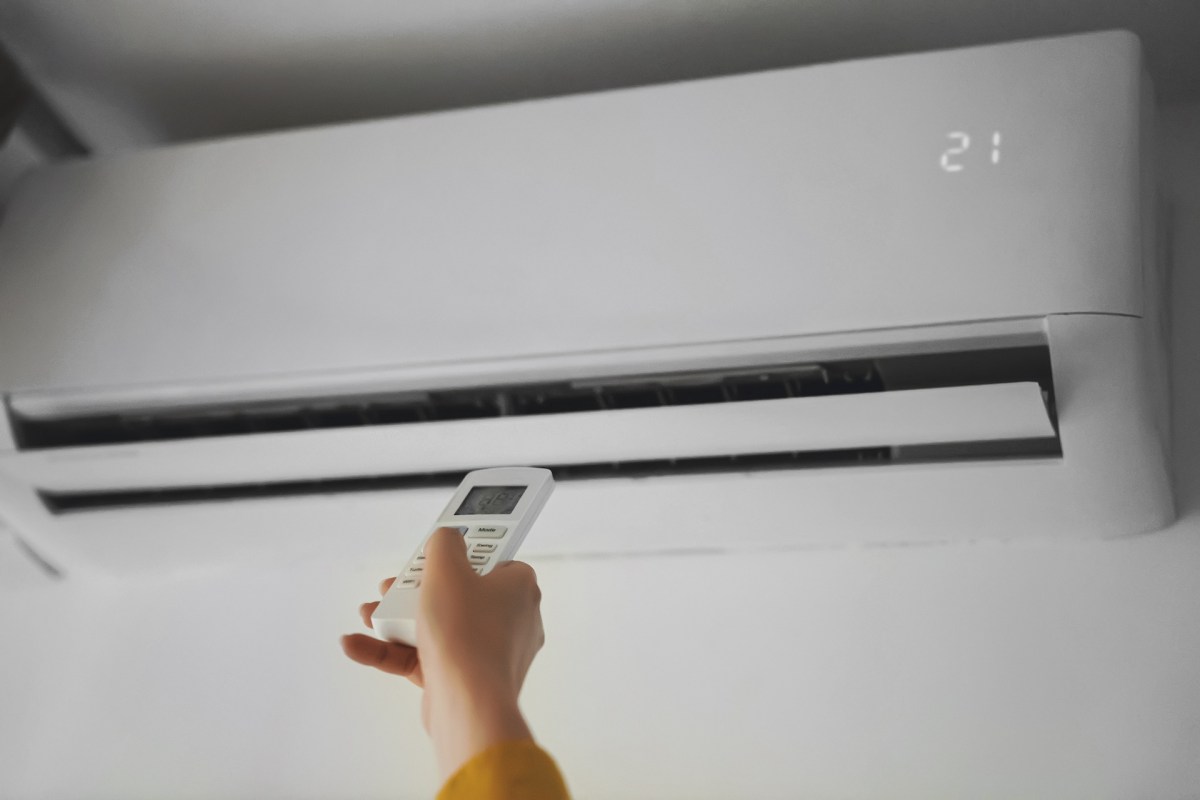
This year's summer cooling season is shaping up to be the costliest yet for U.S. households.
In Arizona, seasonal electricity bills are expected to top $1,000, while the national average from June through September is forecast at nearly $800.
What's happening?
According to a new analysis from the National Energy Assistance Directors Association, first reported by CBS News, a typical U.S. household will spend $797 on electricity during the four months from June to September. That total is 10.5% higher than during the same span last year, when air-conditioning demand also surged.
NEADA Executive Director Mark Wolfe said in a statement that hotter temperatures are increasing the amount families must spend to stay safe indoors, on top of already rising electricity prices.
Costs are expected to differ sharply by state. CBS News reported that Washington and North Dakota are projected to have the lowest summer electricity bills at about $488, while Arizona is forecast to have the highest at about $1,060, nearly 14% more than last year. Connecticut follows at $944, up roughly 11%.
A separate review of federal data by the consumer education nonprofit PowerLines found that the national average monthly electric bill climbed by about 23% from 2019 to 2024, CBS News reported.
TCD Picks » Quince Spotlight
💡These best-sellers from Quince deliver affordable, sustainable luxury for all




Why does it matter?
CBS News cited a recent Federal Reserve Bank of New York survey showing that roughly half of Americans feel worse off financially than a year ago. It also reported NEADA's finding that about one in six U.S. households is behind on utility bills.
During stretches of extreme heat, air conditioning can be essential, especially for older adults, children, and people with health conditions. When utility bills rise faster than paychecks, households may be forced to choose between staying cool and paying for other necessities.
Fossil fuels worsen climate-driven extreme weather, including dangerous heat waves and other disasters that can destroy homes, livelihoods, and local economies. They also drive air and water pollution.
CBS News noted that electricity demand is growing, and utilities and states are investing heavily in upgrades to the aging power grid, a trend CBS News linked in part to the construction of thousands of new data centers that support AI services.
What can I do?
At home, smaller changes can still make a dent in summer energy use. Closing blinds during the day, sealing drafty windows and doors, changing HVAC filters, using fans strategically, and setting thermostats a few degrees higher when possible can help trim electricity demand without sacrificing safety.
Improving insulation and choosing more efficient cooling equipment can lower bills year after year. Expanding energy-efficiency programs, modernizing the grid, and accelerating the adoption of cleaner energy sources can help make electricity more affordable and resilient while reducing the pollution that worsens extreme heat.

Get TCD's free newsletters for easy tips, smart advice, and a chance to earn $5,000 toward home upgrades. To see more stories like this one, change your Google preferences here.






