


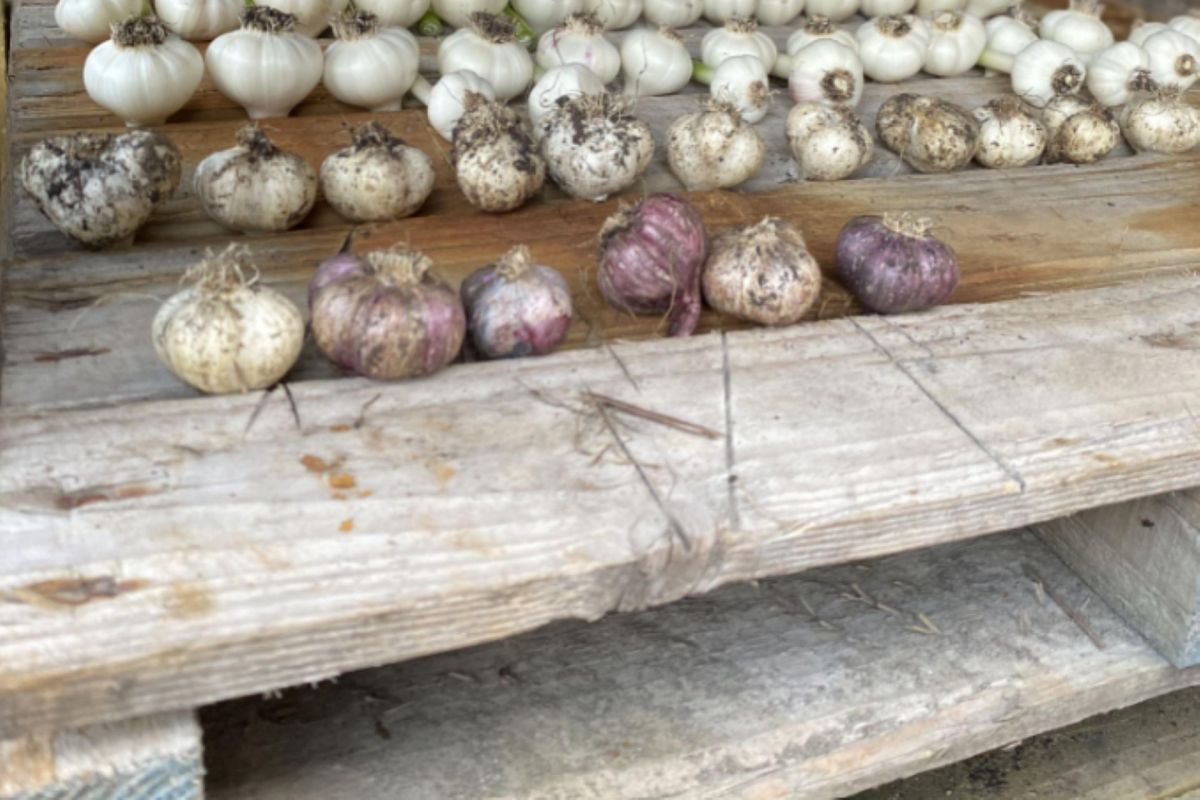
For one gardener, the second year of their garlic crop became proof of how much can change in a single season.
The grower went from celebrating 15 bulbs as a beginner to pulling in more than 80 the next year, coming away with a deeper appreciation for learning through mistakes.
What happened?
A post in Reddit's r/vegetablegardening community showed how quickly a home garden can evolve. After a modest first try, the gardener returned a year later with a far larger garlic harvest and a much wider range of ways to use it.
The new gardener wrote: "Last year was my first year growing anything. I harvested 15 garlic bulbs and was absolutely thrilled. Today, in year 2, I've just harvested more than 80 bulbs."
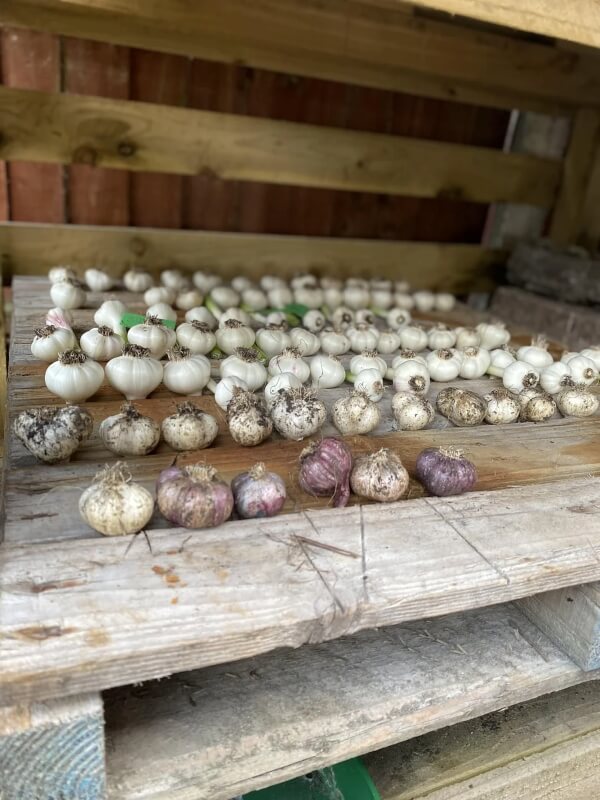
They added that "Some will be stored for eating, some are being kept back as seed for planting again in November."
However, they shared that "not everything went perfectly," as the season brought a few problems.
TCD Picks » Quince Spotlight
💡These best-sellers from Quince deliver affordable, sustainable luxury for all




Too much nitrogen fertilizer contributed to witches' broom, which forced the gardener to pull about 30 bulbs early, and rust later in the season pushed the rest of the harvest ahead of schedule.
But even with those setbacks, the grower found uses for nearly every part of the crop instead of treating the season as a loss.
Smaller or oddly shaped bulbs were put in their dehydrator for garlic powder, chopped garlic was frozen, and green garlic powder had already been made earlier in the season. Before the bulbs were even harvested, the gardener had also enjoyed garlic scapes.
Why does it matter?
Growing your own food at home can help cut grocery bills, especially for staples like garlic that show up regularly in home cooking.
It can also provide fresher, better-tasting produce than food that has spent days in transit and on store shelves.
Plus, gardening can support mental health by reducing stress and offering a sense of progress and control, while digging, lifting, and tending provide light physical activity.
When weather, disease, or nutrient issues affect a crop, gardeners can still salvage value through preserving, seed saving, freezing, or dehydrating. That can reduce food waste while stretching the payoff from one season into the next.
What can I do?
New gardeners do not need a flawless first season for the effort to be worthwhile. Even one round of trial and error can teach a lot about soil, timing, preservation, and how to prepare for the next year.
One useful first step is to start small and grow a few foods you actually use often. Garlic, herbs, greens, and tomatoes are popular choices because they can save money quickly and make everyday meals taste better.
It also helps to think beyond the harvest. Learning how to cure, freeze, dehydrate, or replant part of what you grow can turn even imperfect produce into something valuable.
As the gardener put it, "One of the things I've enjoyed most about gardening is how quickly you can learn." They added, "It's been a great reminder that gardening isn't about everything being perfect, but learning as you go and making the most of what you've got."

Get TCD's free newsletters for easy tips, smart advice, and a chance to earn $5,000 toward home upgrades. To see more stories like this one, change your Google preferences here.







