


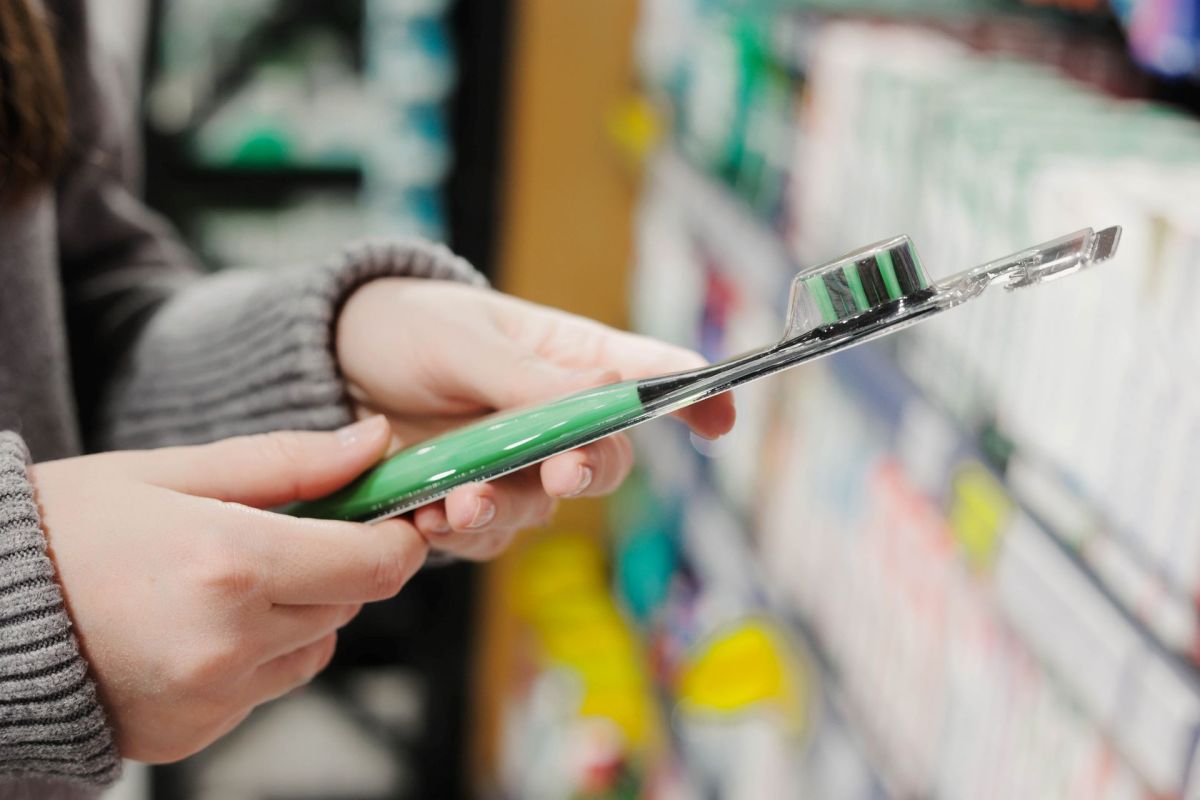
Trying to make a lower-waste swap can sound simple — until the options in front of you do not match the ideal. That is exactly what happened when one shopper went looking for a bamboo toothbrush and ended up wondering whether a plastic one might actually be the greener choice.
What happened?
In a recent Reddit discussion, the shopper described a mismatch between what was available nearby and what seemed like the lower-waste option. Conventional plastic toothbrushes could be found in local stores, and they said they sometimes see boxes for recycling them.
Bamboo versions, however, were only available online. "There's no way to buy [a] bamboo toothbrush in a store in my city," the poster explained. "I can buy it online, though, but it comes in plastic packaging and has nylon bristles."
Toothpaste raised the same kind of tradeoff. With "no way to buy it in tablets," the shopper said an alternative ordered online arrived with "so many layers of plastic packaging" that buying a standard tube locally seemed more reasonable.
Commenters debated what actually counts as the "better" material. Generally, bamboo is eco-friendly because it regrows so quickly, but it's not always that simple.
One wrote, "I wouldn't sweat this choice, even bamboo might not be a better option depending on where it's sourced (ie, clear cutting old growth forests for bamboo farms). That said, you could buy in bulk if you're trying [to] reduce your carbon footprint from shipping/packaging."
TCD Picks » Quince Spotlight
💡These best-sellers from Quince deliver affordable, sustainable luxury for all




"Which company do you want to support?" another asked. "Is one sold by Amazon and one by a business consciously making an effort to be more sustainable? Is one a small local business and one a major corporation?"
Other options exist, too, that solve some of these problems, such as the aluminum toothbrush handles with replaceable bamboo heads that come in kits and bulk purchases of replacement heads by Nathan & Sons. The bristles are actually made with castor seeds formed into a bio-based nylon, avoiding any plastic, and everything ships in cardboard packaging.
Why does it matter?
Low-waste shopping comes with a basic complication: A product marketed as eco-friendly is not automatically the lowest-impact option in every situation.
If a bamboo toothbrush has to be shipped long distances, wrapped in multiple layers of plastic, and replaced sooner because it molds or wears out, the equation can change.
Many people do not have access to refill shops, package-free products, or niche dental care alternatives in local stores. When sustainable options are harder to find, online ordering can introduce tradeoffs that are easy to miss.
The Reddit thread also showed that personal health cannot be separated from sustainability.
One commenter said, "Buy the electric toothbrush, it's better for you; look for replaceable bamboo heads." Another pushed back, arguing electric models are "less sustainable" because of "battery, electricity, circuitry."
Even among people who care deeply about waste, there is no one-size-fits-all answer.
What can I do?
A plastic toothbrush bought locally and used fully may be a better choice than a bamboo one shipped individually in heavy packaging. For some shoppers, the best option may simply be the one they can access consistently and use effectively.
It can also help to focus on durability and proper care. One commenter shared, "I got a bamboo toothbrush and it got moldy in a few weeks so I had to toss it - plastic would be more eco friendly than that."

Get TCD's free newsletters for easy tips, smart advice, and a chance to earn $5,000 toward home upgrades. To see more stories like this one, change your Google preferences here.







