


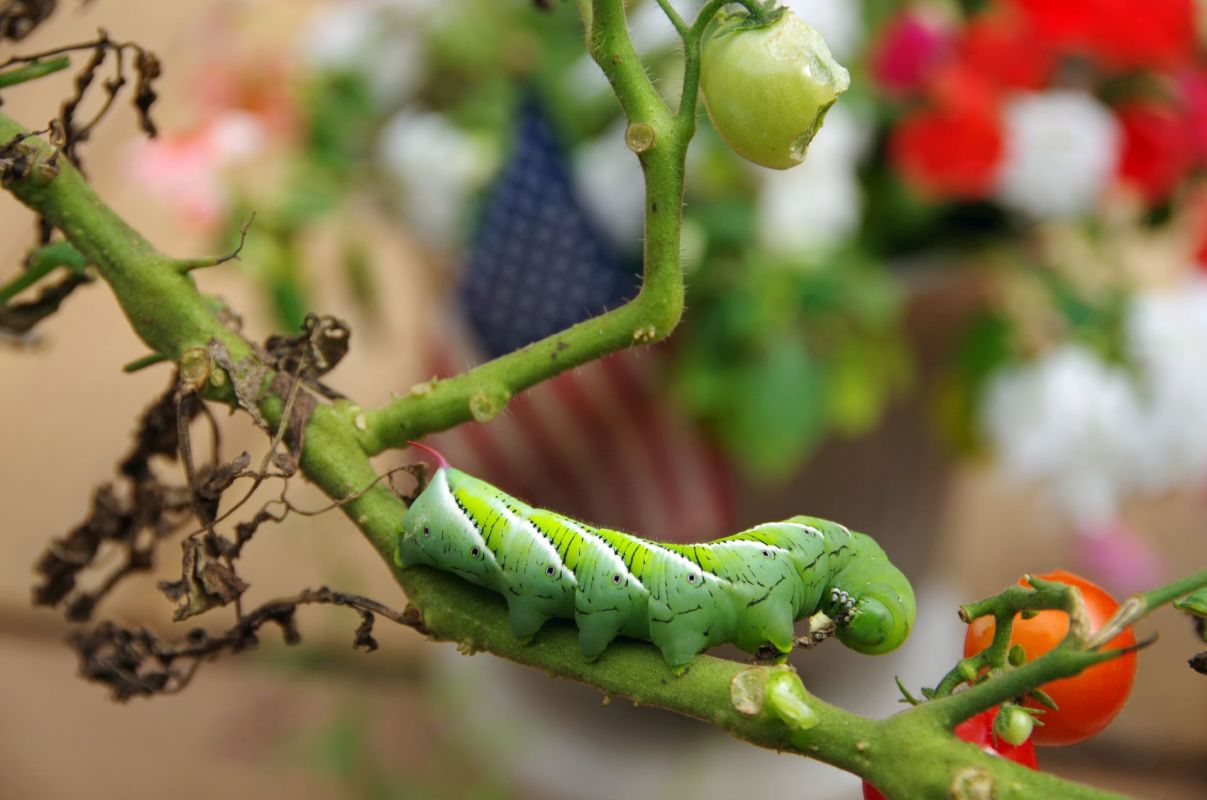
Tomato hornworms are a nightmare for many gardeners, but one post in a gardening forum urged people to look past the damage and consider the insect's next stage, as the hawk moth supports ecosystems.
What happened?
A discussion in Reddit's gardening corner took aim at one of backyard growers' most hated pests. In the post, a user argued that hornworms deserve grace because they become pollinating hawk moths.
"The hornworm turns into the hawk moth, which is big, beautiful, and, quite honestly, very necessary for our fragile ecosystem," the original poster wrote. "We often don't see the hawk moth out pollinating plants since it works at night."
As part of that argument, they pointed to milkweed, which was once written off as a weed but is now welcomed by many gardeners as the "sole host to the now endangered monarch butterfly." And it is true that hawk moths are excellent at pollinating these and other plants.
The poster also said that hornworms are often noticed only once they are already large and most of their feeding is over. By then, they said, killing one would not reverse the harm but instead would prevent another pollinator from joining the ecosystem.
"We neeeed to support all pollinators!" they wrote in all caps. "... It feels so weirdly blind to me that we adore the monarch but we loathe, and happily discuss how to eviscerate, the hawk moth."
TCD Picks » Quince Spotlight
💡These best-sellers from Quince deliver affordable, sustainable luxury for all




The post ended with a joking note of sympathy: "Sorry about your tomatoes, though. Plant some extra next year."
Why does it matter?
It is true that hornworms can strip tomato plants and reduce harvests. But the post made the case for coexistence, especially at a time when pollinators and other beneficial insects are under pressure.
The debate also ties into a broader shift in how people think about their yards. Replacing even part of a conventional lawn with a more natural setup can create habitat for pollinators while saving homeowners money and time on maintenance.

Get TCD's free newsletters for easy tips, smart advice, and a chance to earn $5,000 toward home upgrades. To see more stories like this one, change your Google preferences here.







