


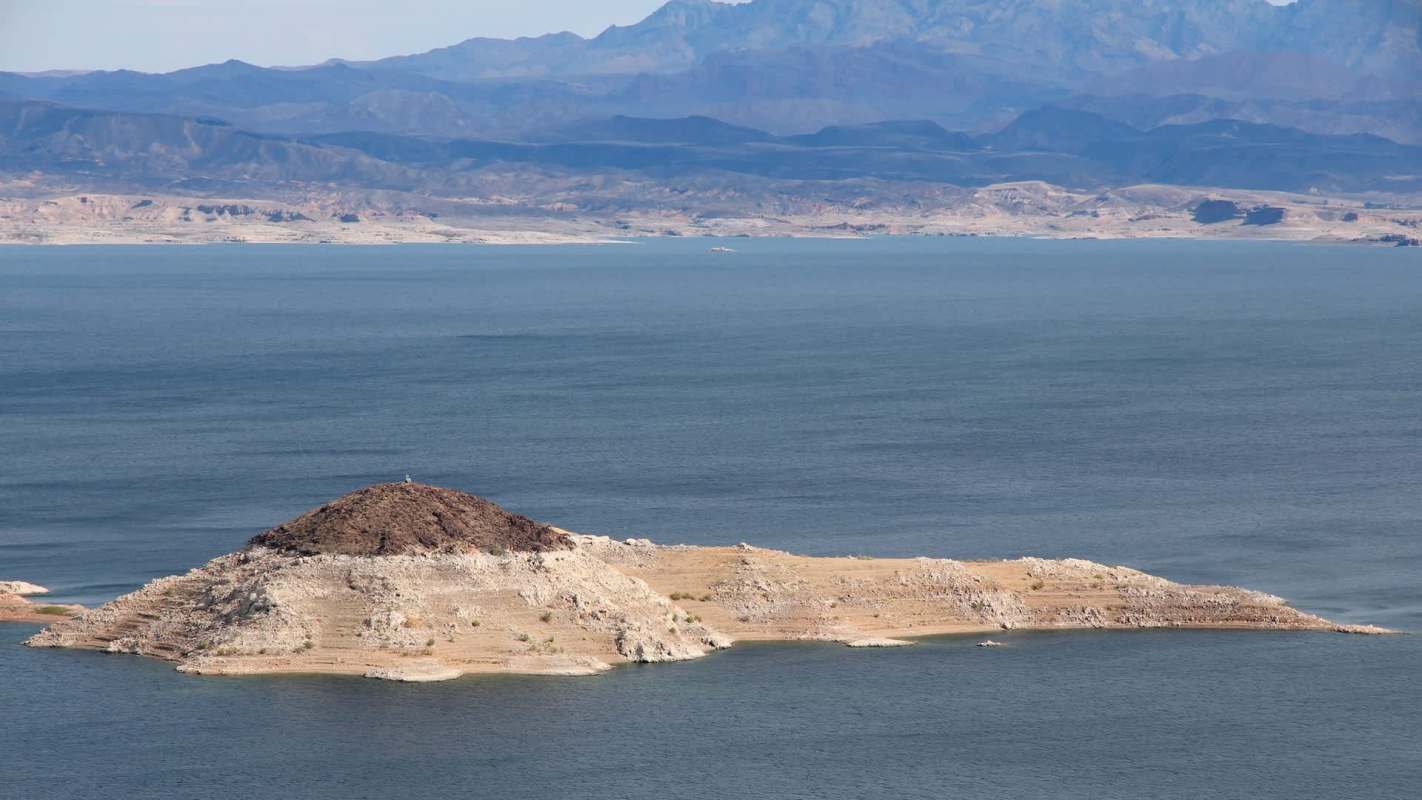
One update on Lake Mead is refocusing attention on the West's long-running water troubles, including a consequence many people would feel quickly: potentially higher electricity bills.
The huge reservoir remains at unusually low levels heading into the summer season.
What's happening?
In a June 10 video, Shattered Earth (@shattered.earth95) explained that Lake Mead's water level was measured at 1,048.03 feet above sea level, putting the reservoir 0.15 feet below the previous day's level. They explained that even this small drop represents billions of gallons of water. (On Tuesday, the level was 1,045.83 feet.)
The post, which called the lake's water level "the crisis nobody is talking about," used aerial footage of the exposed shoreline to underscore a broader warning about declining water levels in the Southwest.
@shattered.earth95 Lake Mead Water Level Update | June 10, 2026 — The Crisis Nobody Is Talking About #new #news #foyoupage #america #tiktok ♬ âm thanh gốc - Shattered Earth 🌎
The video said the drop matters for the Hoover Dam because low reservoir levels mean less force pushing water through the system, which can make the turbines work less effectively. If hydropower output falls, utilities in Nevada, Arizona, and California could need to replace that electricity with more expensive gas power purchased on the open market.
Why does it matter?
If Lake Mead's water level keeps falling, the effects could reach far beyond the reservoir's shoreline. One major concern is the risk to a key source of relatively low-cost renewable power in the West, especially as households already face high cooling costs during the hottest part of the year.
TCD Picks » Quince Spotlight
💡These best-sellers from Quince deliver affordable, sustainable luxury for all




Less hydropower can push utilities toward backup energy sources that are often both pricier and more polluting, which can raise costs for households and make it harder to advance cleaner energy goals.
The clip described those effects as part of a larger chain reaction.
What can I do?
Even if you can't directly impact Lake Mead, you can still work to avoid high utility bills. Cutting energy waste at home, especially before peak summer demand, can reduce exposure to higher utility costs.
One way to do this is to seal air leaks in your home, use a smart thermostat, run major appliances during off-peak hours, and consider rooftop solar.
Water-saving measures matter, too, even if residential use is only one part of the larger picture. Replacing thirsty landscaping, fixing leaks, and choosing water-efficient appliances can lower household demand and save you money.
Individual conservation can help, but lasting progress will depend more on systemic changes than shorter showers.

Get TCD's free newsletters for easy tips, smart advice, and a chance to earn $5,000 toward home upgrades. To see more stories like this one, change your Google preferences here.







