


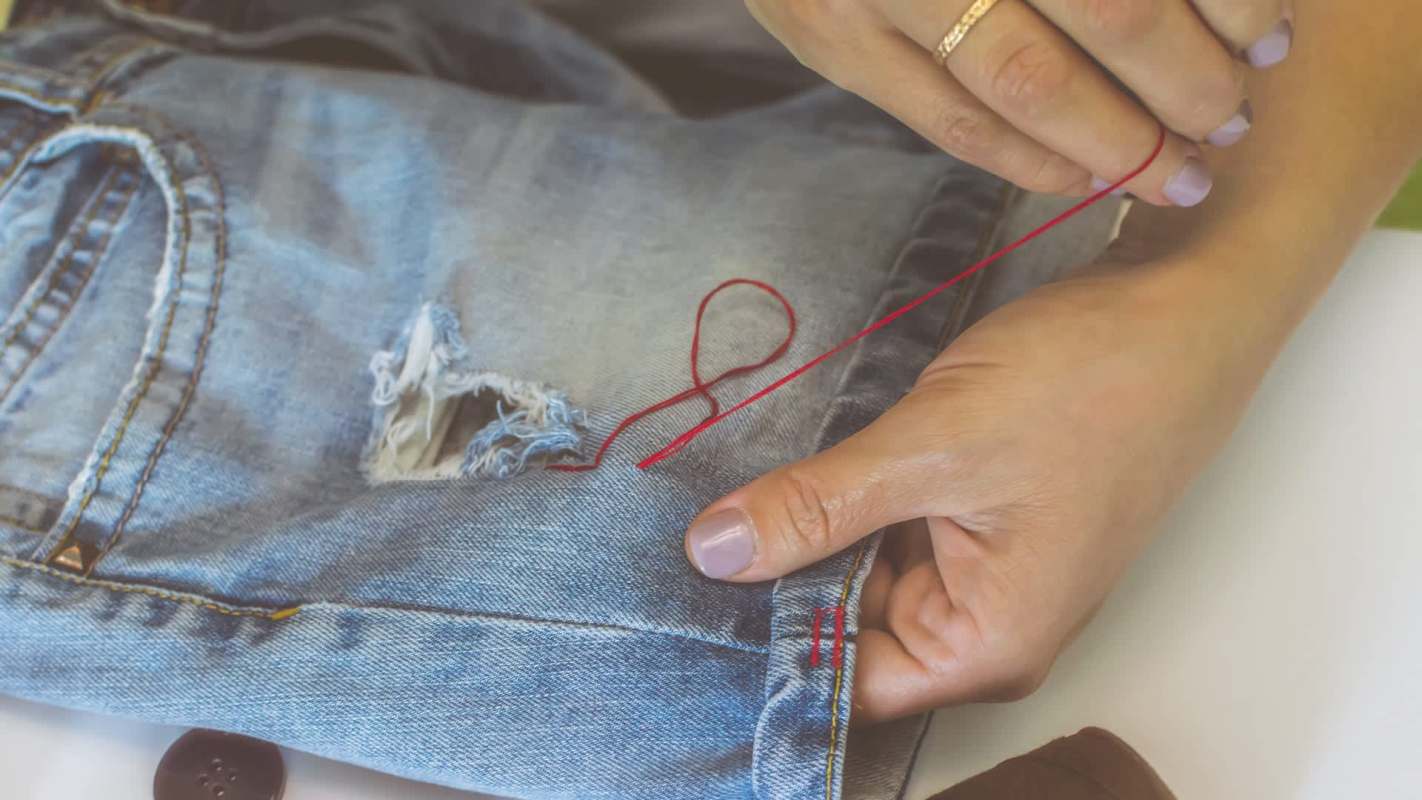
A Reddit discussion is resonating with shoppers frustrated by the hunt for "buy it for life" products. As the original poster argued, an item's lifespan often depends less on an expensive label than on upkeep, repairs, and choosing secondhand goods to begin with.
What happened?
On Reddit, one user made the case that durability is shaped by more than brand names and price.
Listing examples like used Ikea furniture, decade-old Dollar Tree purchases, and thrifted clothes that have stayed in rotation for years, the Redditor wrote about how it is important to put effort into maintaining a product you purchase — rather than endlessly searching for the one perfect brand that never wears or tears.
"I have realized that how long something lasts is as much related to how you treat it as the brand," they wrote. They added: "Most of my furniture is Ikea that I got used at auctions 10 years ago. I have things I got 10 years ago at the dollar tree holding strong. Most of my clothes are thrifted and I keep them for years/decades."
The OP emphasized how people should learn how to care for their purchases, rather than spending a lot of money on a more expensive brand that's only assumed to be more durable.
They wrote, "Also, thrifting things that are 10-20 years old may get you better quality than new."
TCD Picks » Quince Spotlight
💡These best-sellers from Quince deliver affordable, sustainable luxury for all




Why does it matter?
Making a bookshelf, shirt, or kitchen tool last longer can do more than postpone a shopping trip. It can lower the recurring cost of replacing everyday items while also reducing the amount of waste that ends up in landfills. Small repairs, routine maintenance, and more careful use can all help stretch an item's life.
That same idea applies to secondhand shopping. Buying used keeps functional goods in circulation, and an object that has already held up for 10 or 15 years may offer a useful signal about how well it was built. For people who want to spend less and throw away less, that can be a practical step without requiring a total lifestyle reset.
Several commenters, however, said there are limits to that approach. If newer products are made with flimsier materials or parts that are difficult to fix, even good care may not be enough to make them last.
What are people saying?
The replies were mixed.
One person wrote, "Some of the longest-lasting stuff I own is nothing fancy, it just got taken care of and never treated as disposable."
Another user pushed back slightly, saying, "You can care for something, but if the materials are not good materials, it will wear."
One user commented, "Much like climate change, I don't appreciate focusing on the imperfect behaviour of individuals when the overwhelming majority of the problem is caused by billionaires. Let's deal with that first."
Another Redditor shared a specific tip for bookshelf owners: "Put them on the bottom or middle shelf (the one you can't move,) on the IKEA book shelf. You don't get sagging shelves this way."

Get TCD's free newsletters for easy tips, smart advice, and a chance to earn $5,000 toward home upgrades. To see more stories like this one, change your Google preferences here.






