


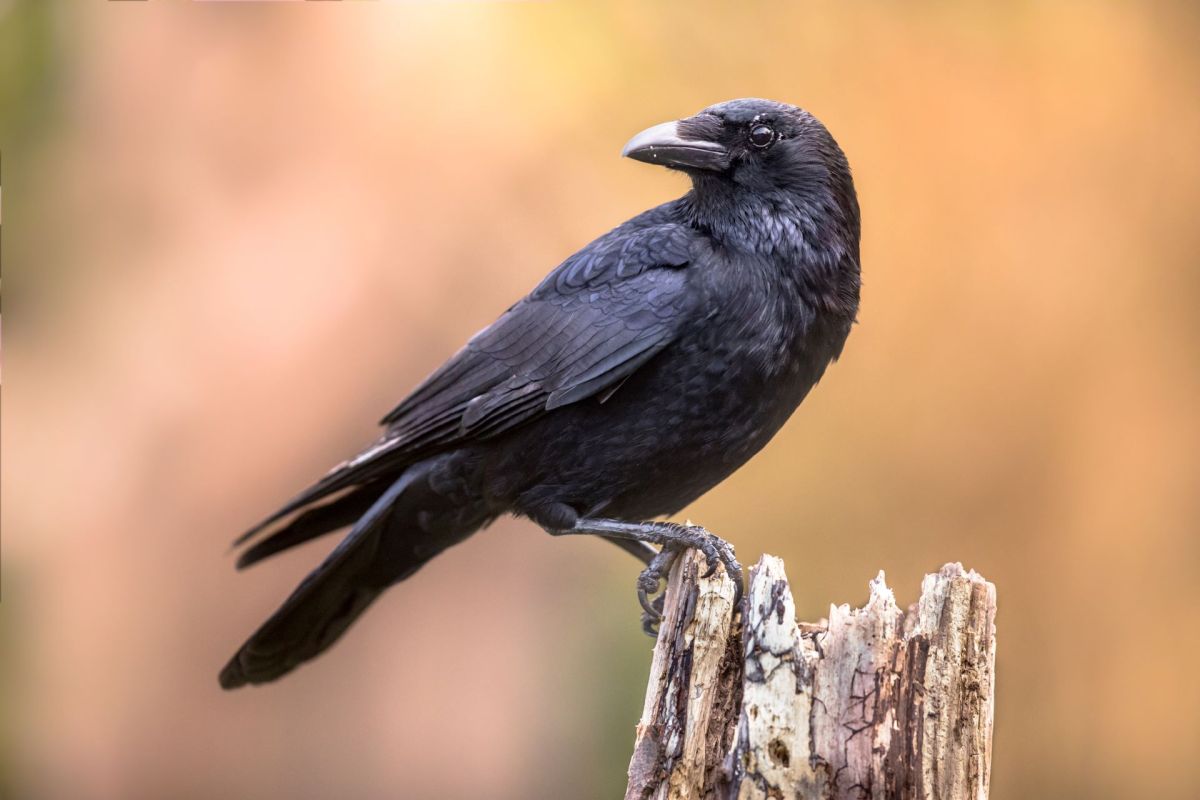
Crows are having another internet moment, this time for something that sounds nearly impossible.
In a food-based test, they treated "nothing" as a number, and they then chose the better odds to receive a treat.
What happened?
Live Science reported on a discussion with Andreas Nieder, a researcher at the University of Tübingen in Germany, who has studied how corvids process numbers and uncertainty.
In one experiment, Nieder said, "We trained crows to recognize different numbers. We then included trials in which no items appeared at all. The remarkable finding was that the birds treated an empty set as a quantity and as part of the numerical continuum."
A separate line of experiments looked at whether the birds could learn which visual cue was more likely to pay off.
Nieder explained, "We trained carrion crows to associate visual signs with different reward probabilities, one sign might yield a food reward 90% of the time, another 70%. The crows reliably chose the statistically more favorable option."
TCD Picks » Quince Spotlight
💡These best-sellers from Quince deliver affordable, sustainable luxury for all




Why does it matter?
The findings add to a growing body of evidence that advanced thinking is not limited to humans or even to mammals.
Because birds and mammals split more than 360 million years ago, Nieder told Live Science, the roots of math-like reasoning may lie much deeper in evolutionary history than many people assume.
Studies on animal intelligence can shape how people value ecosystems, support conservation efforts, and interact with species often dismissed as pests.
"They can extract probabilistic regularities from experience, store this information in memory, and use it flexibly to make reward-maximizing decisions under uncertainty," Nieder said about the birds' sense of probability.
That suggests mathematical thinking may have taken shape in animal minds long before humans began writing numbers down.

Get TCD's free newsletters for easy tips, smart advice, and a chance to earn $5,000 toward home upgrades. To see more stories like this one, change your Google preferences here.







