


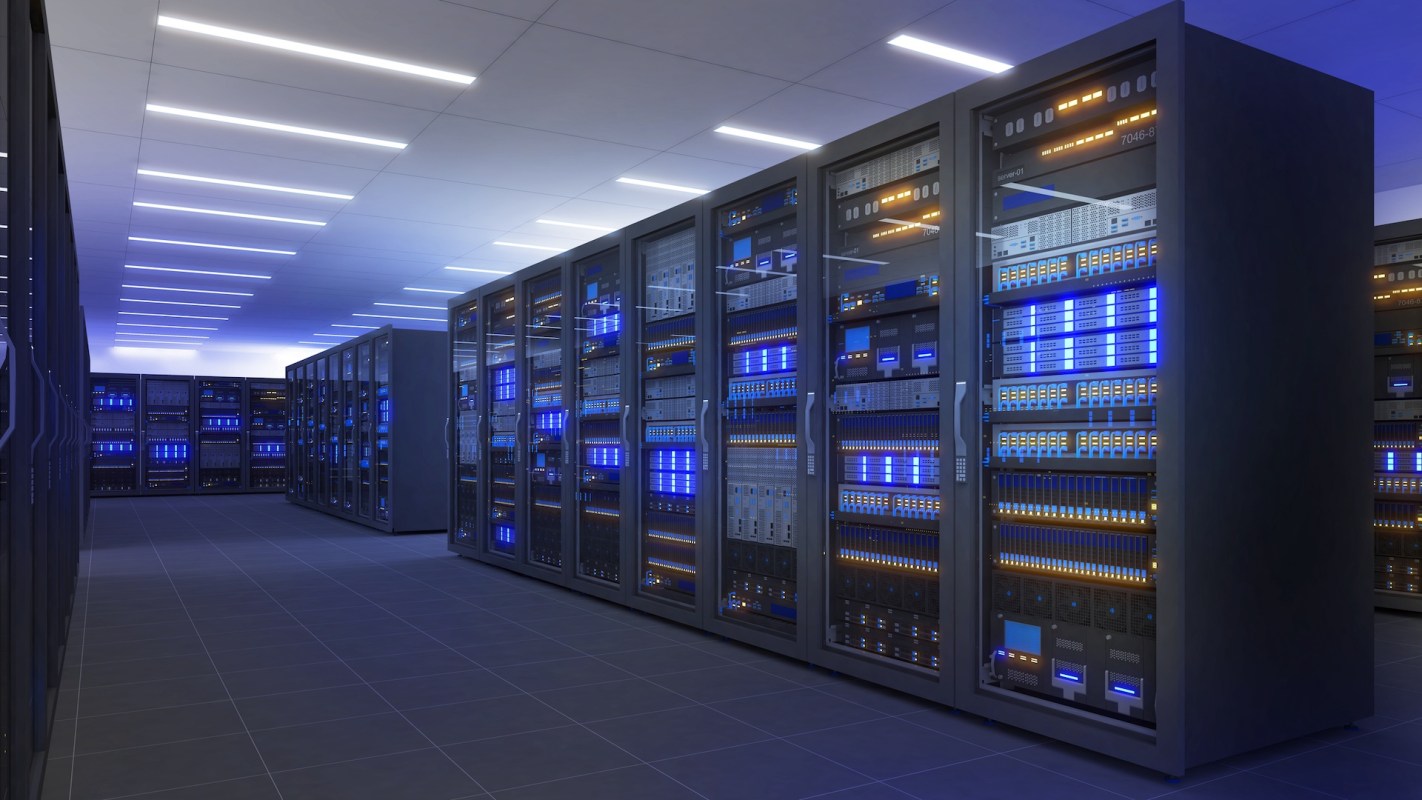
The servers powering everything from artificial intelligence chatbots to streaming services may be more vulnerable to climate-related threats than many investors realize.
What happened?
According to research, data centers across the world face especially high risks from climate hazards, including flooding, wildfires, and extreme winds. Together, these risks threaten nearly four-fifths of the total data center capacity worldwide.
The report from climate risk analytics firm First Street comes as tech companies continue to expand the physical infrastructure behind the AI and cloud computing booms.
As CNBC detailed, First Street assessed 97 data center markets around the world and concluded that 79% of total capacity is subject to acute climate risk.
In a press release regarding the report, First Street CEO Matthew Eby said, "Most underwriting for real assets still uses historical data, but the climate is no longer behaving the way the historical record would predict."
First Street also found that more than half of all studied data centers are located in markets dealing with ongoing climate stressors, such as extreme heat and drought, which can majorly undermine the buildings' efficiency and raise utility costs.
TCD Picks » Quince Spotlight
💡These best-sellers from Quince deliver affordable, sustainable luxury for all




Regional differences were stark, with Asia-Pacific showing the greatest exposure. Nearly 90% of its capacity was at risk, versus 50% in the Americas.
However, some of the fastest-growing data center hubs in the world, including Northern Virginia, also ranked among the most exposed to climate threats.
Why does it matter?
The role of data centers in the global economy is expected to grow as AI tools become more common in homes and workplaces.
These facilities are generally built to remain in service for decades, so outdated climate assumptions will leave owners, insurers, and surrounding communities exposed to costly disruptions and repairs.
Eby explained the importance of the report to the funders of the AI boom, saying, "Investors who incorporate these factors into underwriting and capital allocation decisions will be better positioned to identify resilient markets and avoid mispriced risk."

Get TCD's free newsletters for easy tips, smart advice, and a chance to earn $5,000 toward home upgrades. To see more stories like this one, change your Google preferences here.






