


Microplastics have been detected not only in human tissue but also in the air, food, and drinking water.
According to the San Antonio Report, a new laboratory study indicates the particles may do more than move through the body.
In the research, they were associated with reproductive disruption, shorter lifespans, and the transfer of harmful chemicals into living organisms.
What happened?
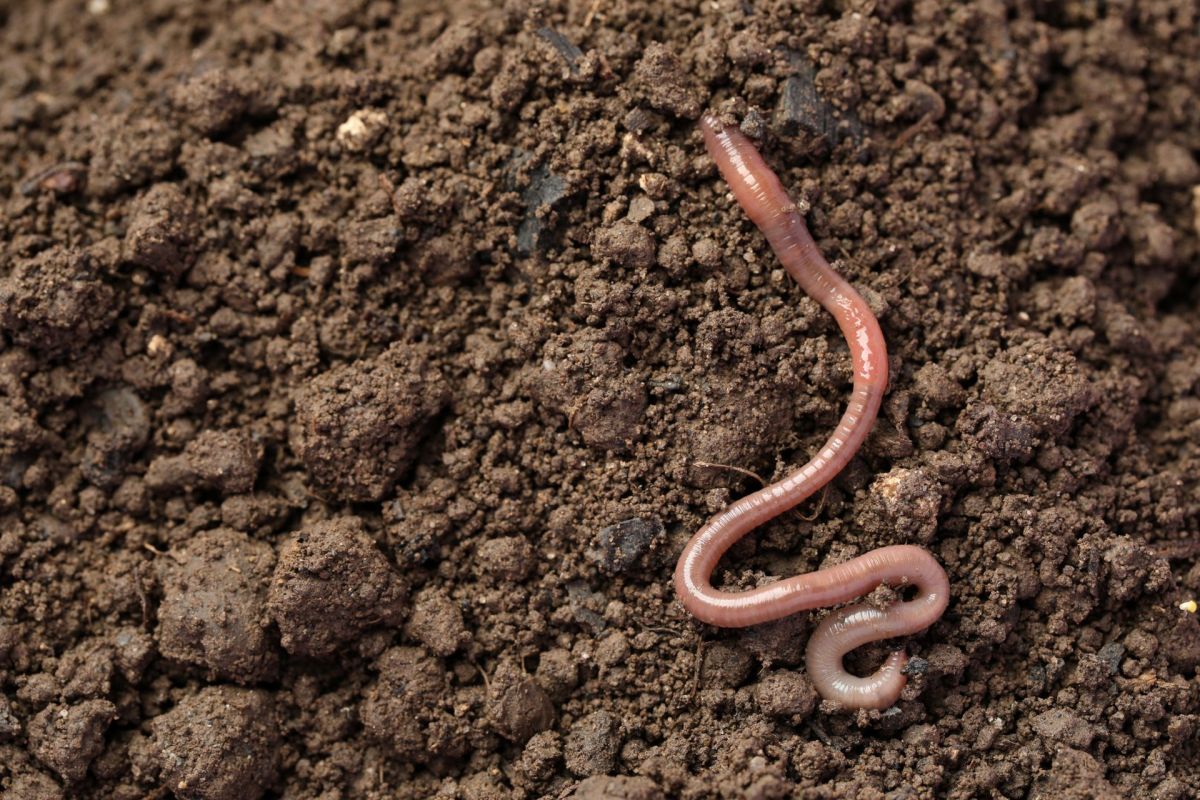
To investigate the effects of microplastics, St. Mary's University biology professor Jennifer Harr and a team of undergraduate researchers worked with transparent microscopic worms called C. elegans.
In a paper published in December in the journal Microplastics, the researchers examined whether plastic fragments might also ferry harmful compounds.
Their experiment compared worms exposed only to microplastics with worms exposed to microplastics alongside dibutyl phthalate, or DBP, an additive that makes materials more flexible.
TCD Picks » Quince Spotlight
💡These best-sellers from Quince deliver affordable, sustainable luxury for all




Effects were generally more severe when DBP was involved. Microplastics alone were still associated with reproductive disruption and with shorter lifespans at higher exposure levels, and the added harm seen with DBP suggests the particles may carry contaminants into organisms after ingestion.
Harr said interest in what microplastics do inside living bodies is growing quickly.
"People have been interested in microplastics in aquatic environments for a long time," she said. "The field is moving fast."
Why does it matter?
Researchers have already documented microplastics throughout the environment, and in humans, they have been found in samples including blood, brain tissue, breastmilk, urine, semen, and newborns' first stool.
The long-term effects of that widespread exposure on human health are still much less certain.
The study was conducted in worms rather than humans. C. elegans are commonly used in research because they are transparent and share some genetic pathways with people, making them useful for observing biological changes.
In the paper, the researchers wrote: "Overall, our results show that chronic [microplastics] exposure has detrimental effects on reproduction and reduces lifespan [of the worms]."
The health implications are still coming into focus. The study does not prove the same effects occur in humans, but it adds to growing evidence that microplastics may not be biologically harmless, especially if they also transport additives or environmental toxins.
Federal agencies are also paying attention. The U.S. Department of Health and Human Services' Advanced Research Projects Agency for Health (ARPA-H) is working to accelerate microplastics research through its STOMP program.
What are people saying?
Harr said the finding about toxin transport is especially significant because even chemicals restricted in products can continue to linger in the environment.
"Even if you eliminate it from the plastic, they can be in the environment as contaminants," she said.
She added that the next step is understanding exactly how the damage occurs.
"We see that there's an effect," Harr said. "But the question is, why? What is happening on the molecular level, on the cellular level, and as I mentioned … what's happening at the DNA level?"
At the same time, Harr was careful not to overstate the results.
"In the animal models, I would argue it does have an effect," she said. "In humans, we just don't have that answer yet."

Get TCD's free newsletters for easy tips, smart advice, and a chance to earn $5,000 toward home upgrades. To see more stories like this one, change your Google preferences here.






