


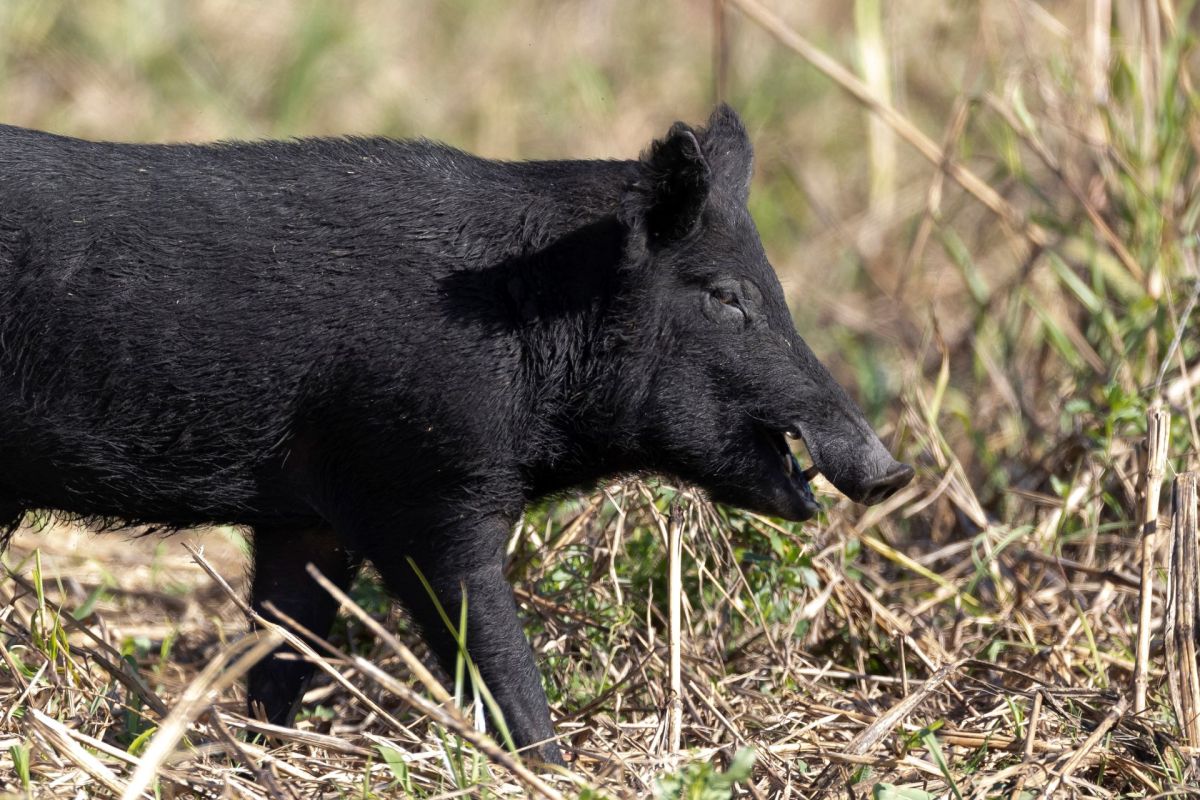
Fresh attention is falling on a Kentucky Facebook post after officials credited helicopters and infrared equipment with helping shrink the feral hog population in Land Between the Lakes by an estimated 90%.
What happened?
WPSD Local 6 reported that the Department of Agriculture's Animal and Plant Health Inspection Service removed more than 1,800 wild pigs from Land Between the Lakes in 2026.
Officials said most of those removals happened in the recreation area's southern section near Tennessee.
Officials said the campaign relied on multiple tools, including trapping, aerial gunnery, and a helicopter outfitted with a forward-looking infrared camera.
After the Kentucky Department of Fish and Wildlife Resources shared a Facebook post about the work, some local hunters responded by saying they wanted to assist.
Scott Raymond, public affairs officer for LBL, said the expanded window for the operation also made a difference.
TCD Picks » Quince Spotlight
💡These best-sellers from Quince deliver affordable, sustainable luxury for all




"Normally, it's just in January and February. We were able to expand that a little bit into March this year," he said, adding that lower visitation and better visibility also helped crews locate the pigs.
Why does it matter?
According to Raymond, feral swine have no useful place in the area's ecosystem and have long caused problems there.
"They do not serve any benefit for us here… They don't have any predators, so they have been running rampant for so long, damaging the cultural sites (and) interrupting recreation," he said.
The animals dig deep holes, rip up vegetation, disrupt wildlife, such as turkey nests, and create challenges for farmers trying to plant and maintain fields.
Raymond said the destruction has also extended to cemeteries and historical sites.
USDA figures cited by the station say feral swine cause billions of dollars in damage and control costs nationwide.
Officials said public hunting is not considered the best control method because it can make the animals harder to manage.
Raymond said that when pigs are shot at, "they scatter," breaking up their groups and becoming more difficult to track.
What are people saying?
Some people commenting on the Facebook post argued that hunters should be part of the effort, but Raymond said experts view the APHIS strategy as the more effective approach.
"There's no way that, in our research on it, that they would be able to get the numbers that APHIS is able to do through aerial gunnery and trapping," he said.
Raymond said signs of progress are already showing up in the area.
"We have been wanting to plant fields here in LBL, which has been a tradition for decades, and farmers have not seen signs of any hog damage," Raymond said.
"Those sightings are extremely important," Raymond said.

Get TCD's free newsletters for easy tips, smart advice, and a chance to earn $5,000 toward home upgrades. To see more stories like this one, change your Google preferences here.







