


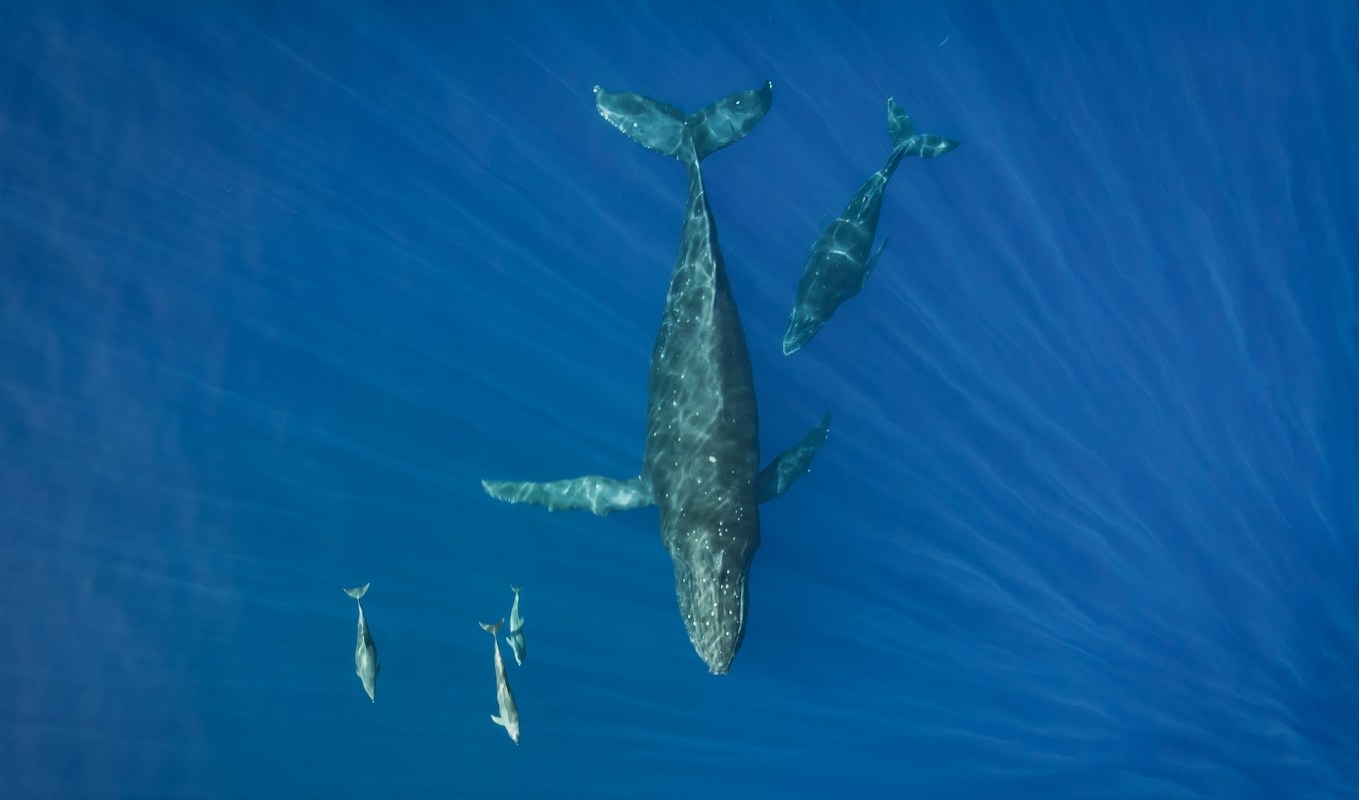
New research reports that PFAS — toxic "forever chemicals" used in countless products — have been rising in whales and dolphins worldwide since 2000, according to The Conversation.
What happened?
Using liver samples, researchers built a global PFAS dataset for cetaceans, including whales, dolphins, and porpoises. They reported on their findings in a piece that The Conversation published.
They found substantial differences by species, age, sex, location, and time, but regardless of the variable, contamination has increased worldwide in the 21st century.
"Animals in the Pacific Ocean were the most contaminated, with humpback dolphins showing the highest PFAS concentrations," said Katharina J. Peters, one of the authors of the study.
Why is this PFAS pollution concerning?
Fisheries, coastal economies, and many communities depend on clean water and healthy seas. Because whales and dolphins can reflect ocean conditions, rising PFAS levels in these animals suggest a wider contamination problem.
PFAS can build up over time as pollution moves through ocean ecosystems. The researchers also found that coastal dolphins and porpoises often had among the highest PFAS loads. As they noted in The Conversation, that could mean greater exposure for animals living near cities and industrial waterways.
TCD Picks » Quince Spotlight
💡These best-sellers from Quince deliver affordable, sustainable luxury for all




Finding this pollution in remote waters shows how difficult it is to contain these chemicals once they enter the environment as well.
Research involving humans and laboratory animals has linked PFAS to immune suppression, hormonal changes, reproductive problems, and developmental effects, according to the Environmental Protection Agency.
The new study also raised concerns for the next generation of marine life since dolphins can pass PFAS on to calves very early.
What are people saying?
The team said contamination passed from mothers to their young was a particular concern, according to The Conversation.
"These mammals are sentinels of ocean health," the researchers said. "Forever chemicals are one of the defining pollution challenges of our time. The more we understand how these chemicals accumulate in whales and dolphins, the better equipped we will be to reduce future contamination and protect marine ecosystems."

Get TCD's free newsletters for easy tips, smart advice, and a chance to earn $5,000 toward home upgrades. To see more stories like this one, change your Google preferences here.






