


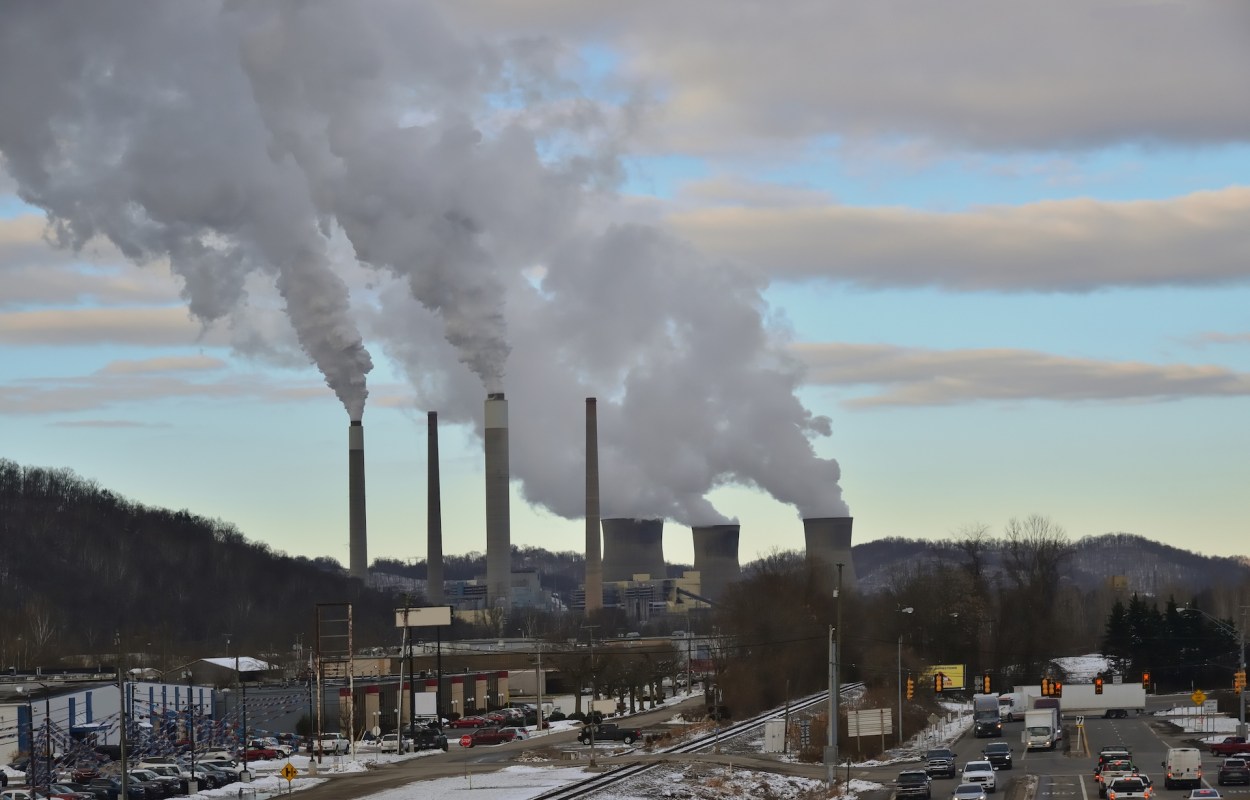
The Trump administration's push to keep aging coal plants running is drawing fresh backlash after federal funding was pledged to facilities that have repeatedly violated air and water pollution laws.
At the center of the debate are three plants that had already faced years of enforcement actions — and, in one case, had even been scheduled for retirement.
What happened?
Environmental concerns are fueling scrutiny of a new set of Department of Energy grants. According to Inside Climate News, at least three of the 12 coal plants selected for funding had been cited multiple times under the Clean Air Act, the Clean Water Act, or both.
The Cumberland Fossil Plant in Tennessee is one of those plants. In 2023, the Tennessee Valley Authority said it would shutter Cumberland's units in 2026 and 2028, but now the TVA has pledged $46 million to extend their lifespans.
Two other recipients named in the report also carry recent violation histories: Oklahoma's Grand River Energy Center, which is set to receive $28.5 million, and North Carolina's Roxboro Steam Electric Plant, which was awarded $28.4 million. Both have faced environmental violations over the past decade.
"These investments are intended to keep reliable generation online, strengthen grid resilience, expand coal supply chain capacity, and ensure the availability of power needed to support critical infrastructure and maintain essential generation resources during periods of high demand and grid stress, including severe weather events," an Energy Department spokesperson said, per ICN.
TCD Picks » Quince Spotlight
💡These best-sellers from Quince deliver affordable, sustainable luxury for all




Why does it matter?
One study cited in the report found that fine-particle pollution from Cumberland was linked to 1,000 deaths in New York and Massachusetts from 1999 to 2020. Residents living nearby have also described soot settling on cars and homes.
Aging coal plants can require major investments to remain operational and comply with regulations. In January, ICN reported that TVA estimated $738 million would be needed to bring Cumberland up to current regulatory standards.
As the economy continues shifting away from fossil fuels, investments in old coal infrastructure can become liabilities for utilities, customers, and investors. Clean energy projects often offer stronger growth potential, more durable job creation, and greater economic resilience without the same pollution and compliance burdens.
Keeping expensive, decades-old coal plants online could leave ratepayers on the hook while cleaner competitors continue to gain ground.
What are people saying?
Angie Mummaw, a local Tennessee organizer for Appalachian Voices, called the decision to keep Cumberland open a "slap in the face."
"I feel like it's a step backward when we should be investing in clean energy, in new technology, and moving away from the fossil fuel industry," she told ICN.
Maggie Shober, research director for the Southern Alliance for Clean Energy, warned that extending coal operations "will make climate change happen faster and will make it worse over the long term."
Christopher Sellers, an environmental history professor at Stony Brook University, put it even more bluntly: "We're going to pay the price for that. Certainly, the people living next door to those plants, they're going to pay the price for that first and most severely."

Get TCD's free newsletters for easy tips, smart advice, and a chance to earn $5,000 toward home upgrades. To see more stories like this one, change your Google preferences here.






