


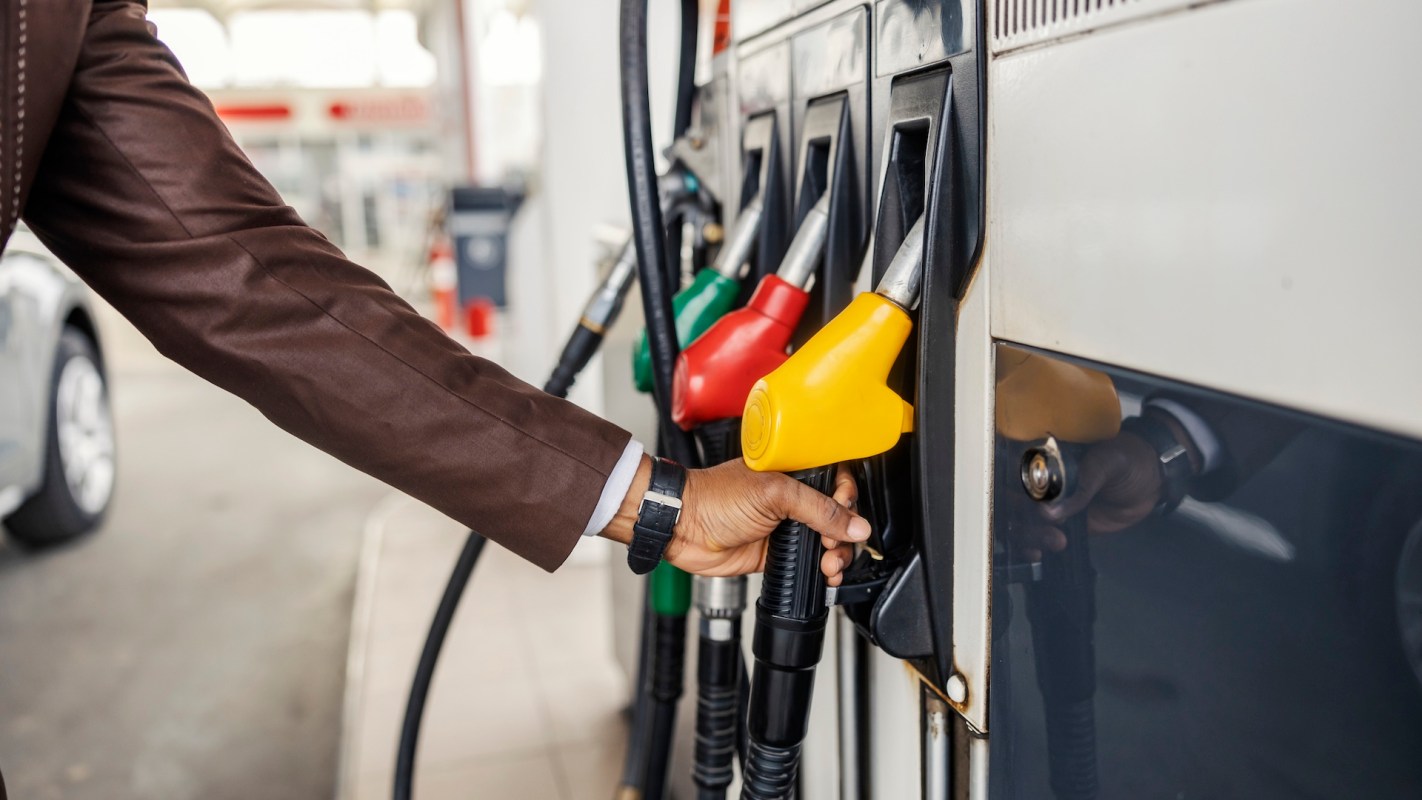
Fuel prices have a way of turning an ordinary errand into a stressful moment. For many drivers, the rising cost of gas and diesel is doing more than causing frustration — it is prompting them to reconsider what they drive altogether.
As costs climb, more people are also asking whether continuing to rely on a gas-powered vehicle still makes financial sense.
What's happening?
A Reddit post sharing a GB News story highlighted a growing concern among motorists: More expensive fill-ups are giving drivers "pump anxiety," prompting some to rethink their reliance on gas- and diesel-powered vehicles.
In the comments section, several Redditors described that shift as something they are already seeing in real life. One person wrote: "People who drive loads in the U.K. are switching more rapidly to EVs than low usage drivers. We see this on motorways as far more than 5% of cars are EVs."
Others described a more gradual transition. Another commenter said: "Here in Australia people are switching over. I'm letting my petrol car run until it dies then switching over. In the meantime my daily commuter is a motorcycle, bicycle for smaller trips."
Why does it matter?
Unpredictable fuel costs can throw off a monthly budget. When prices spike, people who rely on their cars for commuting, errands, or family care often have little choice but to pay more.
TCD Picks » Quince Spotlight
💡These best-sellers from Quince deliver affordable, sustainable luxury for all




Electric vehicles and hybrids can reduce or even eliminate trips to the gas station, and hybrids in particular can offer a lower-barrier option for people who are not ready to go fully electric. One Reddit user commented: "I went with a Prius, and it gets double the gas mileage of my last fuel efficient small car."
These choices can also mean lower maintenance costs over time, especially for fully electric vehicles, which have fewer moving parts than conventional internal-combustion cars. Beyond the personal financial benefits, using less gasoline and diesel can also help reduce the heat-trapping air pollution tied to transportation.
What can I do?
Switching to a brand-new EV is not the only option. A used hybrid, plug-in hybrid, e-bike, bike, scooter, or even a change in commuting habits can reduce gas spending without requiring a dramatic lifestyle overhaul.
Some drivers are waiting until their current vehicle reaches the end of its life before making the switch, while others are already replacing some car trips with motorcycles or bicycles.
If a vehicle upgrade is on the table, it can help to compare total ownership costs rather than just sticker price. A hybrid that gets far better mileage may immediately cut fuel purchases, while an EV can shift spending from volatile gas prices to at-home or public charging, which is often cheaper.
Combining errands, avoiding unnecessary idling, checking tire pressure, and driving more efficiently can all stretch a tank further while drivers figure out their next move.

Get TCD's free newsletters for easy tips, smart advice, and a chance to earn $5,000 toward home upgrades. To see more stories like this one, change your Google preferences here.






