


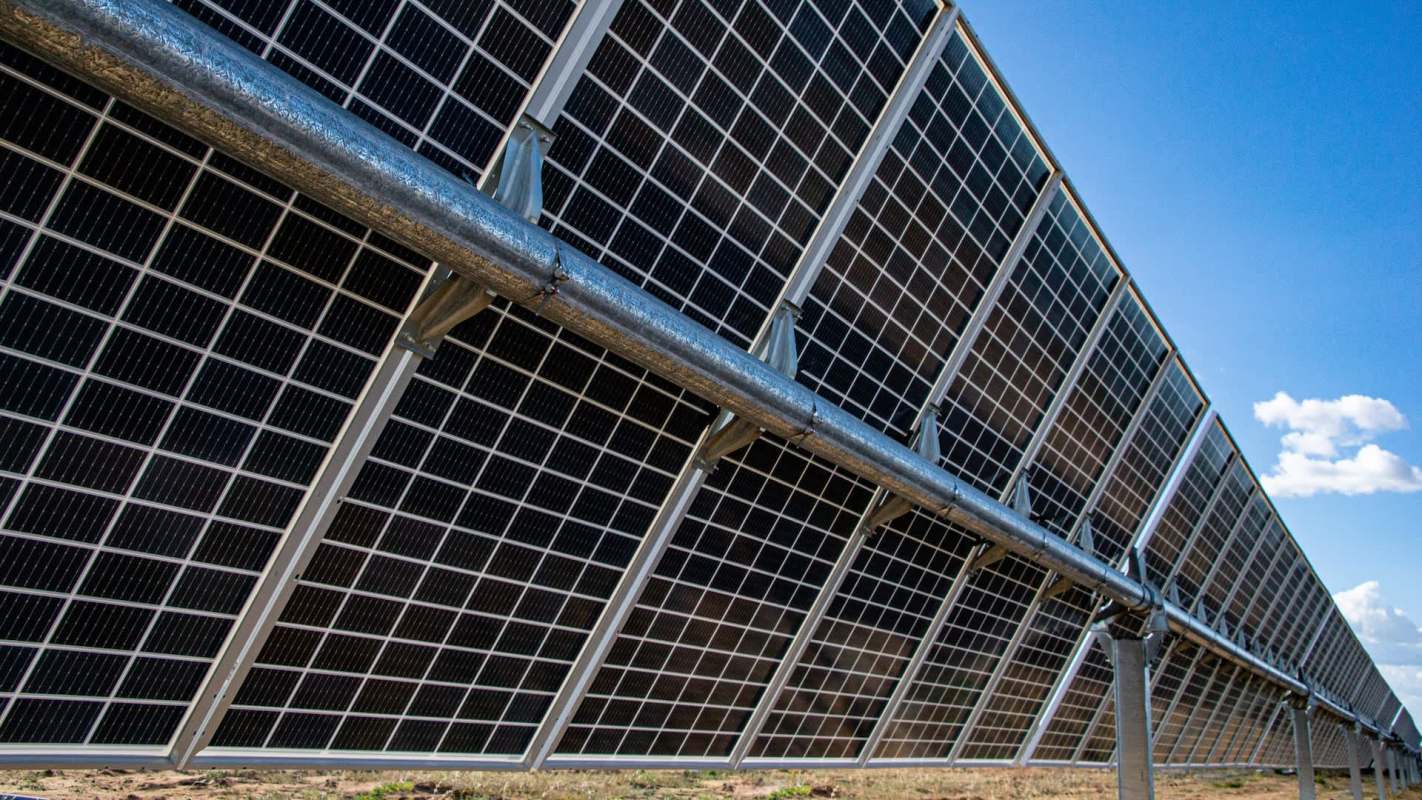
Solar panels may appear interchangeable at first glance, but one design difference can affect both how much electricity your system generates and how much it costs to install.
Going solar is one of the best ways to save money on home energy. EnergySage's free tools make it easy for anyone to get quick solar installation estimates and compare quotes. EnergySage has trusted and pre-screened local installers to help make a fast, simple transition to solar for any household, even ones in less sunny areas.
What's happening?
Two-panel designs show up again and again when people compare solar options: monofacial and bifacial. As reported by BGR, monofacial panels produce electricity from direct sunlight hitting the front, while bifacial panels also use the back side to capture reflected light from other surfaces like snow and water reflections, using available light more effectively and generating additional power.
How much that back-side production helps depends a lot on the surrounding surface.
Crushed by your bills? See instant solar savings from vetted installers in just a few clicks With energy prices through the roof, there's never been a better time to go solar — and EasyHome can help you find the best prices from the best installers in your area. EasyHome takes the guesswork and headaches out of energy upgrades by showing you estimated savings from a network of vetted local partners. To get started, just enter your ZIP and share a few details about your home — seeing your estimate is really that easy. |

BGR notes how bifacial panels may produce as much as 25% more energy than monofacial versions over reflective materials like sand or white gravel, but on darker roofs, the boost may be closer to 5%. In a 2018 report, LONGi said that bifacial panels produced 11% more energy on cement ground and 19.3% more when used with a solar tracking system.
Bifacial systems often need a more specialized setup to reach their full potential. They usually perform best when mounted with enough height and tilt for reflected light to reach the rear, which can make them less practical for many standard rooftop installations.
Why does it matter?
Bifacial panels are generally more efficient and often more durable because of their dual-glass construction, which can better resist weathering, UV damage, and debris buildup.
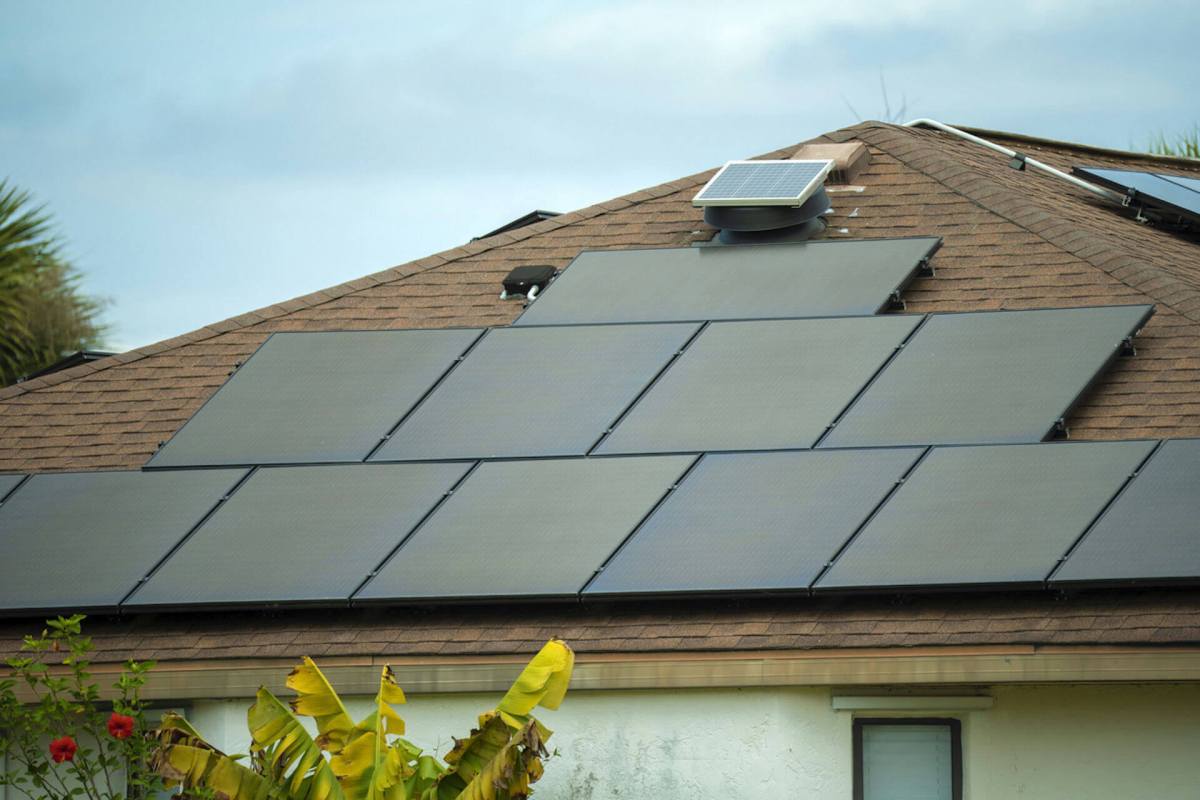
That advantage does not always translate well to a standard household roof. Because many residential systems are mounted close to the roof, there may not be enough space behind the panel for reflected light to meaningfully increase output, and more complex mounting hardware can push costs higher. In general, bifacial panels cost about 3% to 8% more, according to BGR.
Traditional monofacial panels are the better option for many homes. They are lighter, easier to install, and often better suited to the rooftops most people already have, even though bifacial technology can outperform them in ideal settings.
EnergySage has an innovative mapping tool that shows the average cost of a home solar panel system on a state-by-state level, as well as details on solar panel incentives for each state. The company's resources can help you get the best price you deserve for different types of rooftop solar panels and access to available financial incentives for switching to solar.
What can I do?
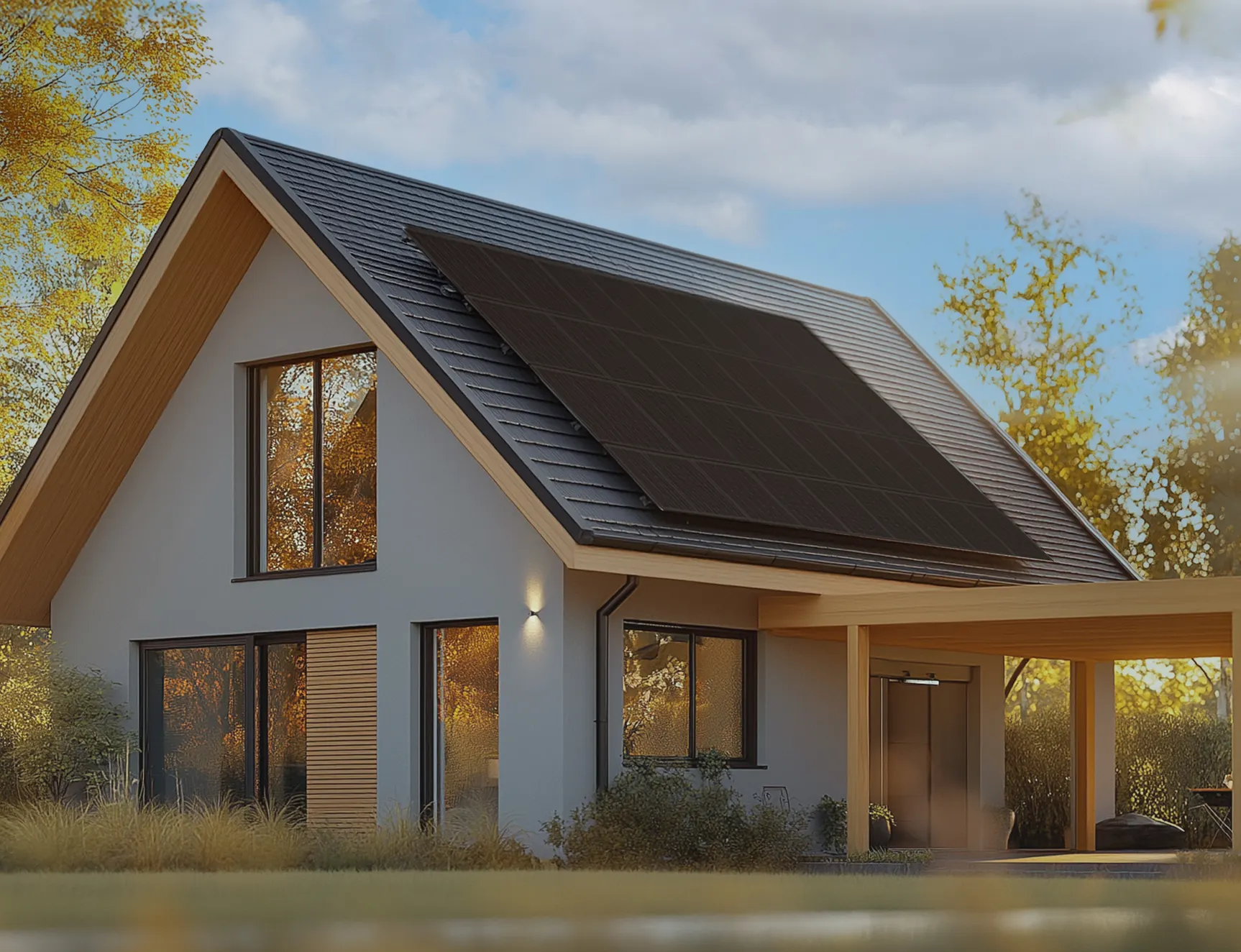
If you are comparing solar options, it is often best to start with your property rather than the marketing. Homes with open yard space, pergolas, canopies, or highly reflective ground may be better candidates for bifacial panels, while a typical roof setup will often get more value from monofacial panels.
It also helps to understand your local costs and incentives before signing anything. Free comparison services like EnergySage can make a major difference here.
More From EnergySage
💡Go deep on the latest news and trends shaping the residential solar landscape

That kind of side-by-side pricing is especially useful when weighing whether a premium panel type will actually pay off on your property. EnergySage ensures unbiased advice and trusted experience from its experts to give you the best bang for your buck and to help you make the right decision on bifacial vs. monofacial panels.
With EnergySage's help, the average person can save up to $10,000 on solar purchases and installations.
No matter what type of panels you choose, adding battery storage to a solar setup is one of the best ways to protect your home during outages, save money on energy, and go off-grid. It can also help you use more of the electricity your panels produce instead of sending it back to the grid at less valuable times.
EnergySage's free tools for information about home battery storage options, including competitive installation estimates, are helpful for anyone interested in having a more secure power system for their home's solar energy source.
Bifacial panels can absolutely generate more electricity, especially in open, reflective spaces. But for many people looking to cut utility bills with a straightforward rooftop installation, lower-cost monofacial panels remain the simpler, more practical fit.

Get TCD's free newsletters for easy tips, smart advice, and a chance to earn $5,000 toward home upgrades. To see more stories like this one, change your Google preferences here.






