


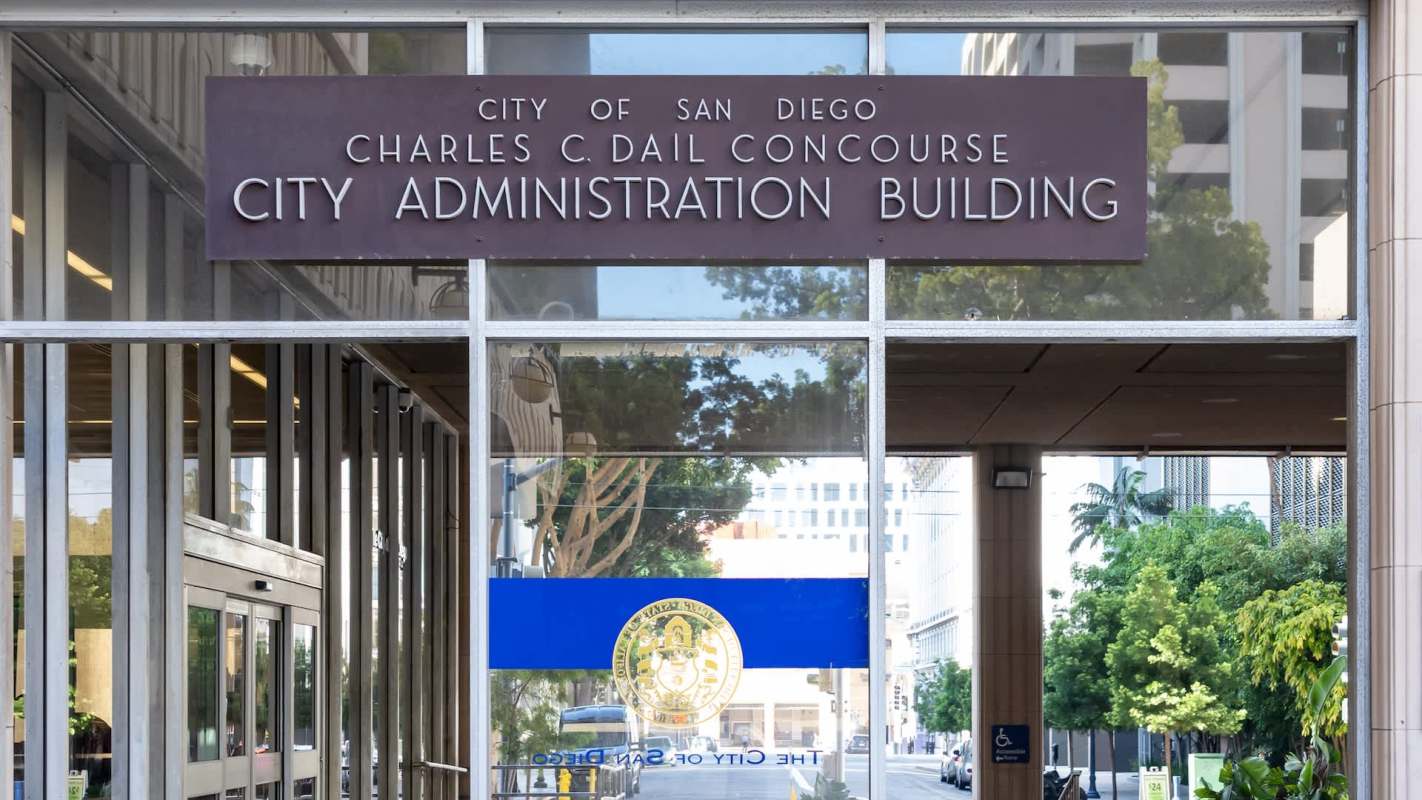
San Diego leaders are pushing back after a proposed utility increase added new pressure to households already struggling with high monthly bills.
This week, the City Council unanimously endorsed a package of state legislation aimed at reducing utility costs and increasing accountability for investor-owned utilities.
What happened?
Outside San Diego City Hall, Councilmember Sean Elo-Rivera explained the complaint, "San Diegans are being ripped off by investor-owned utilities."
Council members then voted unanimously to support the 2026 Energy Affordability and Accountability Bill Package, a group of Assembly measures that NBC 7 San Diego said is intended to cut utility bills, improve transparency, and hold utilities responsible for how they spend money.
The council's action came a day after SDG&E filed for an 8.6% rate increase that would take effect in 2028.
If state regulators approve the proposal, it would add about $22.48 to a typical homeowner's monthly bill and amount to $3.8 billion overall.
TCD Picks » Quince Spotlight
💡These best-sellers from Quince deliver affordable, sustainable luxury for all




Why does it matter?
Utility bills are not optional, which means rate hikes can hit especially hard for families already weighing tradeoffs between basic needs. When energy costs rise, people do not simply stop using electricity or gas; they often have to cut back somewhere else.
Patricia Mendoza said she cannot afford another SDG&E increase.
"We don't want to be forced to make decisions about whether to pay our energy bill or go shopping for our children, but that's the reality right now in San Diego," Mendoza said.
"Every month, another 22-bucks additionally from what we're already paying? That's too much," she added.
Residents said the concern is not just the size of one proposed increase, but the pattern they see from investor-owned utilities. Higher costs, limited transparency, and too little accountability for decisions that affect customer bills.
What's being done?
San Diego city leaders are leaning on public pressure and policy support. By backing the Energy Affordability and Accountability Bill Package, the council is signaling support for stronger guardrails on how utilities operate.
The legislation is focused on affordability, transparency, and oversight.
The rate hike request itself must still go before the California Public Utilities Commission, which has the power to approve or reject it.

Get TCD's free newsletters for easy tips, smart advice, and a chance to earn $5,000 toward home upgrades. To see more stories like this one, change your Google preferences here.






