


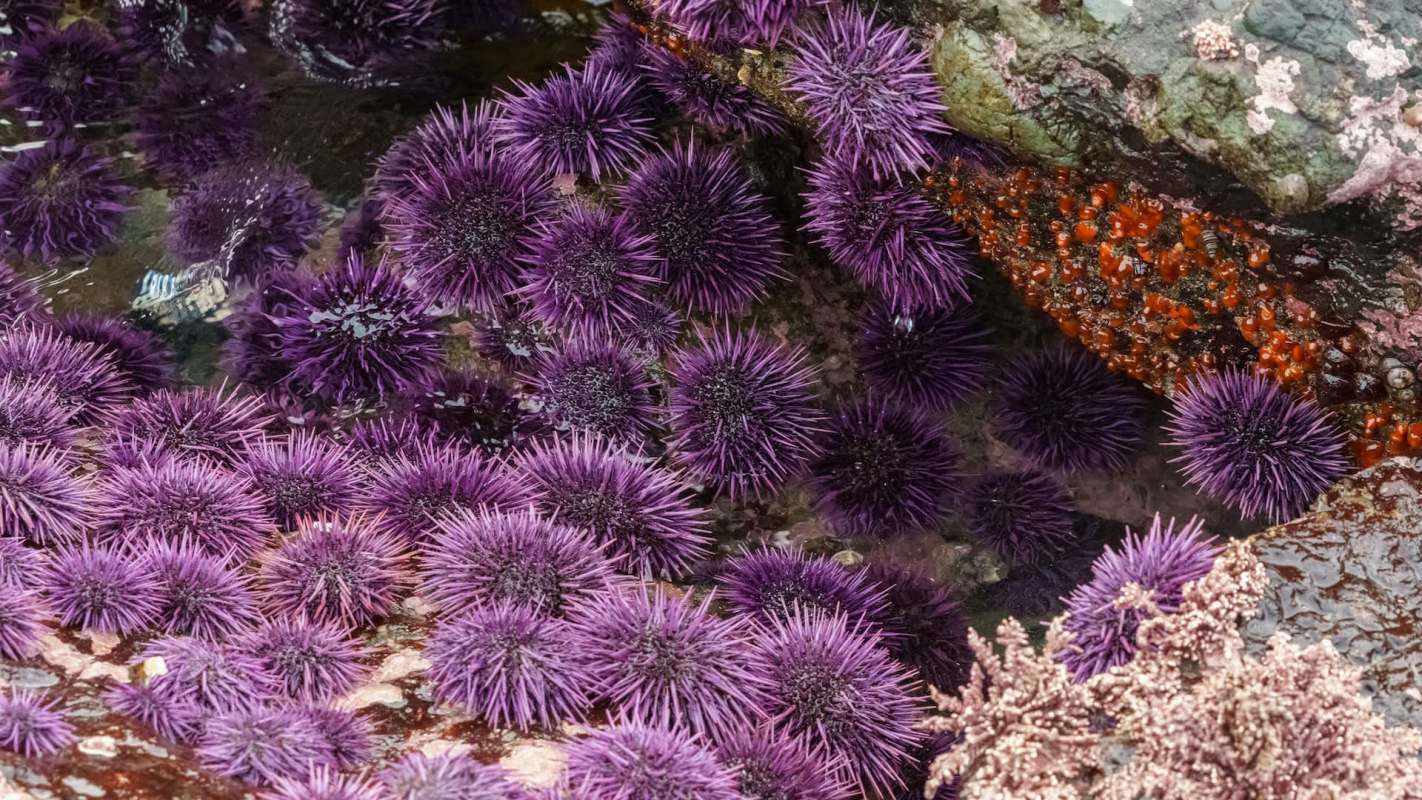
A protected stretch of coastline in southern Italy became the focus of an overnight watch when a marine scientist tracked a recurring problem on surveillance footage: sea urchin poachers entering the reserve after dark.
The case illustrates how a prized seafood delicacy can drive ecological damage and leave legal fishers facing steeper losses.
What happened?
In May, Maurizio Simeone, who leads the Marine Protected Area Gaiola Underwater Park near Naples, contacted authorities after seeing poachers on a live video feed. According to Mongabay, the divers were using an illegal "hookah system," which allows them to remain underwater for extended periods while removing purple sea urchins from the seafloor.
"It was midnight. Here they were again," Simeone said, describing the men as "repeat offenders."
Mongabay reported that, in a previous operation, authorities stopped a boat carrying 976 sea urchins gathered in 75 minutes. In the latter incident, Simeone estimated that about 500 sea urchins were taken in less than an hour.
The target is the roe found in the animals, a sought-after ingredient in spaghetti ai ricci, a dish that has become more popular among tourists and restaurant patrons around Naples.
TCD Picks » Quince Spotlight
💡These best-sellers from Quince deliver affordable, sustainable luxury for all




Why does it matter?
By grazing on algae, sea urchins help maintain marine habitats in ways that support many other species, Mongabay reported, making them an important part of the ecosystem. Removing entire local populations can trigger wider effects. Fish that rely on sea urchins for food may leave the area, and legal small-scale fishers can see both their catch and earnings decline.
"When the poachers strip the rocks of every single urchin, the fish have no reason to stay in our waters," one fisher told Mongabay. Another described it as "an unfair fight."
Marine ecologist Simone Farina of the Stazione Zoologica Anton Dohrn's marine research center in Genoa said 2025 data suggest poachers could remove roughly 1,500 sea urchins in two hours, or about 17% of the Gaiola protected area's population.
"This is a very high percentage taken in a very short time, endangering years of management and conservation," Farina said.
Questions also surround how the product is sold. Roberto Larocca, the Naples Coast Guard commander, said Campania has not issued commercial licenses for harvesting sea urchins, so any fresh local sea urchins sold there are probably illegal.
What are people saying?
Researchers and officials are pushing for broader national measures rather than relying solely on local enforcement. Simeone said, "We must protect the MPA tooth and nail," while arguing that a patchwork of regional rules is insufficient.
Farina warned that "illegal fishing can account for 80-90% of the total sea urchin removal," making weak data and outdated laws a serious problem for both conservation and coastal economies.
Larocca explained why fighting the poachers is an uphill battle: "These people have nothing to lose. They factor the fines into their costs and keep going."

Get TCD's free newsletters for easy tips, smart advice, and a chance to earn $5,000 toward home upgrades. To see more stories like this one, change your Google preferences here.






