


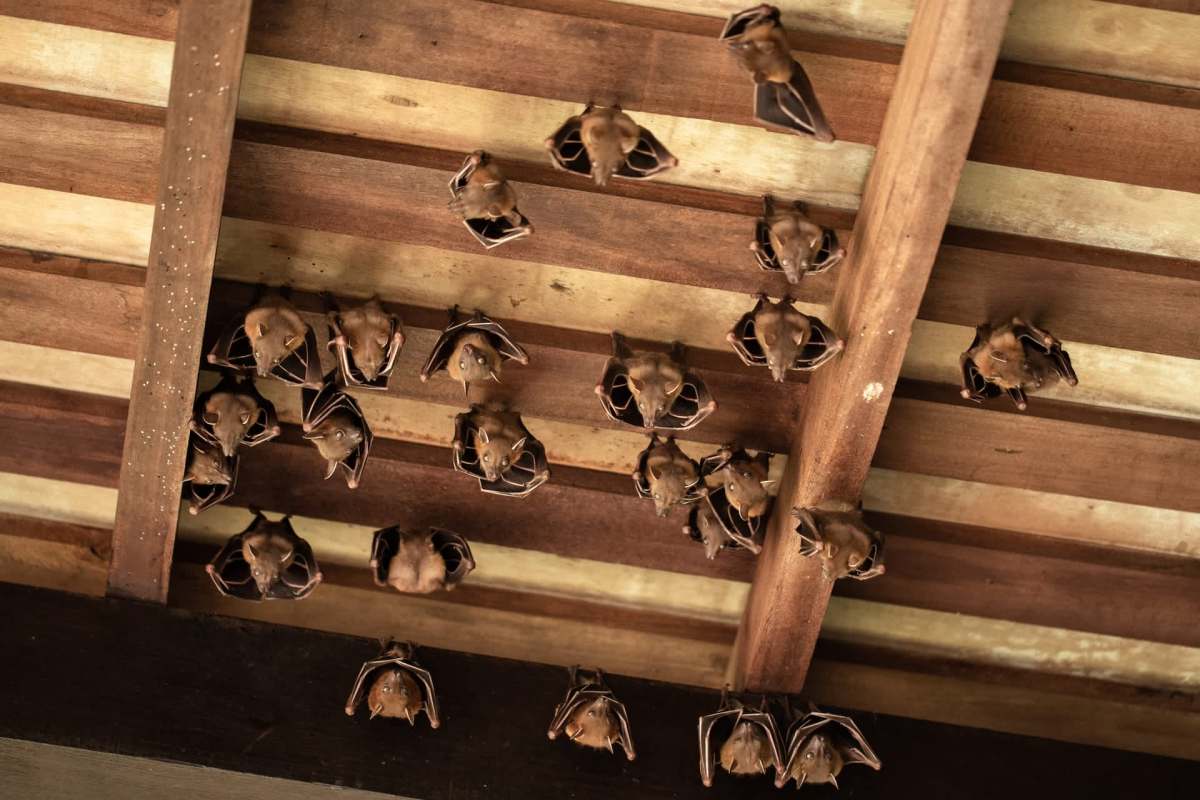
A homebuyer took to Reddit after discovering bats in their new home just 24 hours after signing on the dotted line. The buyer also alleges that the seller was aware of the pest issue prior to the sale, raising further concerns about disclosure.
What happened?
In a post in the r/homebuyers subreddit, the original poster said the problem became clear almost immediately after the purchase, writing that they found "a full colony, over 400 bats living in our front deck … balcony" within 24 hours of closing on the property.
According to the buyer, the sellers had not disclosed a pest issue. In the homeowner's words, "they specifically checked the box no on the disclosures that there are not … pests."
The homeowner also pointed to what they believe are signs the bats had been present prior to the sale, including foam sealant and bat traces in the same area. They said this suggested the bats had previously been in the second-story attic and that the former owners may have attempted to address the issue themselves.
The case reflects a broader issue that can arise when wildlife finds shelter in human-built spaces — and when those spaces are not properly inspected or disclosed.
Why does it matter?
A bat colony hidden in a deck, attic, or wall cavity is not just an unpleasant surprise. It can bring major cleanup and repair costs, raise health concerns, and trigger legal disputes over seller disclosures and inspection standards.
TCD Picks » Quince Spotlight
💡These best-sellers from Quince deliver affordable, sustainable luxury for all




It also points to a larger human-wildlife problem. As development continues to alter natural habitat, animals often adapt by using homes, decks, attics, and other structures as substitute roosting spaces.
While bats play an important ecological role by eating insects, having colonies living near humans can spark serious health concerns.
What's being done?
In situations like this, the safest next step is usually careful documentation and professional help. Homeowners who discover a hidden infestation after closing often start by photographing the damage, saving copies of disclosures, and bringing in a wildlife-removal or exclusion expert to confirm where the colony is entering and roosting.
Trying to seal active openings without guidance can trap animals or drive them into new parts of the home, increasing cleanup costs and creating additional animal welfare concerns.
From there, homeowners may need to speak with their inspector or an attorney familiar with disclosure law in their state to understand whether they have options for recovery.
In this case, the original poster is considering taking the legal route, as quoted remediation and insulation replacements could cost them over $15,000.

Get TCD's free newsletters for easy tips, smart advice, and a chance to earn $5,000 toward home upgrades. To see more stories like this one, change your Google preferences here.






