


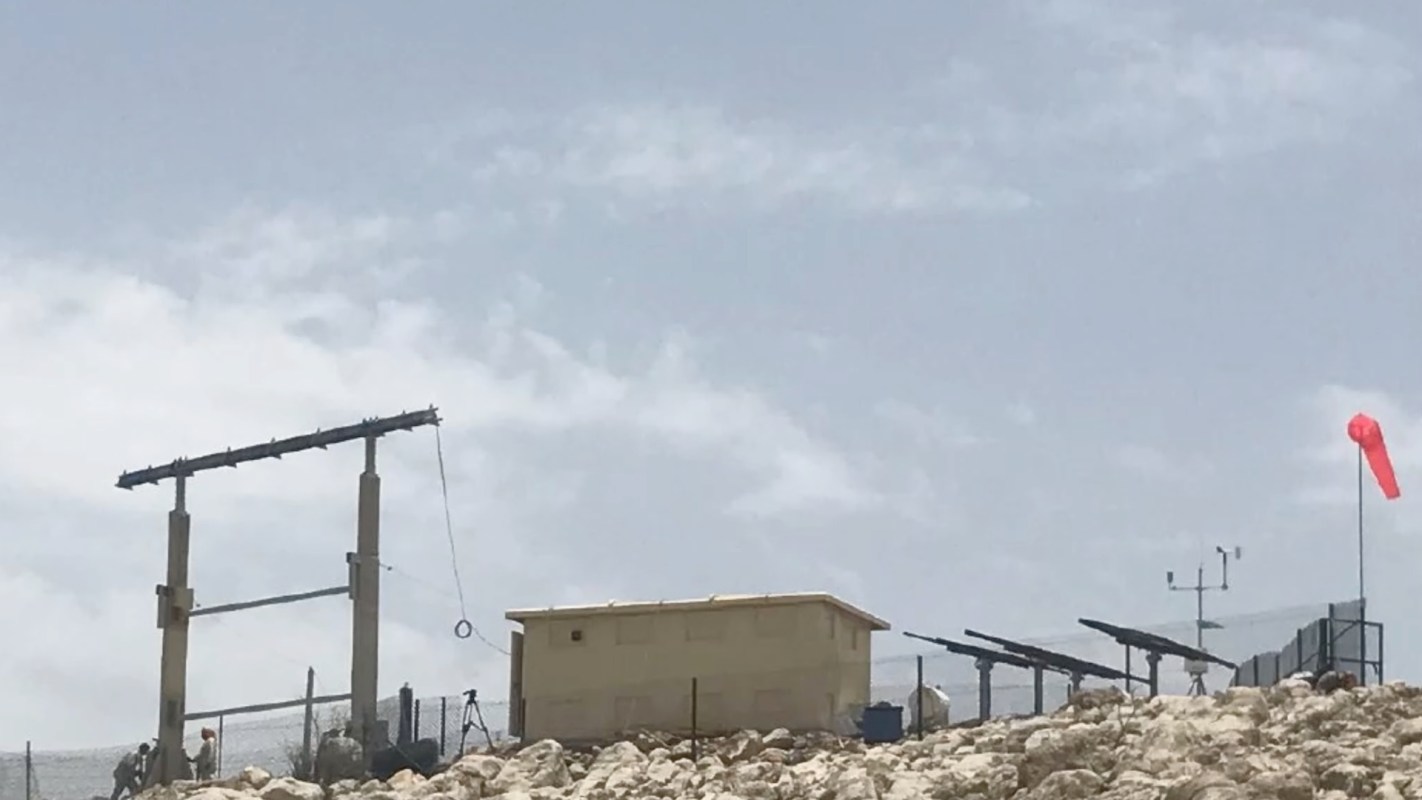
A first-of-its-kind warm-weather trial on Colorado's Eastern Plains is giving the state's decades of cloud-seeding work a more high-tech direction as a company tries to coax a bit more rain from clouds already overhead.
What happened?
According to CBS News, a weather-modification test site in Gill, Colorado, is where the company is trying a solar-powered, ground-based approach rather than the planes and flares many people associate with cloud seeding.
The setup is called WETA, short for weather enhancement technology array.
Rain Enhancement Technologies CEO Randy Seidl said the goal is to help address water scarcity.
When asked about what problem for Coloradans he is trying to solve, Seidl replied, "One that's probably top of mind for everybody, which is just the tremendous water shortage."
Designed for warmer-month operations rather than traditional winter seeding, the station runs on solar energy.
TCD Picks » Quince Spotlight
💡These best-sellers from Quince deliver affordable, sustainable luxury for all




From the ground, it electrically charges naturally occurring particles near the surface; air currents lift those particles into existing clouds, where the company says they can help droplets grow enough to fall as rain.
According to the company, the technology does not generate storms or pull rain from empty skies. Its claimed benefit is limited to increasing precipitation from clouds that are already there, by about 10% to 20%.
Why does it matter?
If the system performs as advertised, even a modest increase in rainfall could have benefits.
More water can mean less strain on farms, more stable crop production, and reduced pressure on local water supplies during hot, dry periods.
Water shortages can contribute to higher food prices, tighter lawn and landscape restrictions, and added stress for communities already dealing with drought and heat.
The project is focused on the warm season, when water demand is high, and snowpack is no longer the primary source of relief.
As Seidl put it: "Traditionally, cloud seeding happens during the winter time. This was obviously a lousy snow year, so there's not enough water for spring, summer, fall. And that's where we come in."
So far, there is not enough Colorado-specific data to show how much additional precipitation the system has produced.
State approval allows the Weld County operation to continue running at least through the end of the year, extending the evaluation window.

Get TCD's free newsletters for easy tips, smart advice, and a chance to earn $5,000 toward home upgrades. To see more stories like this one, change your Google preferences here.






