


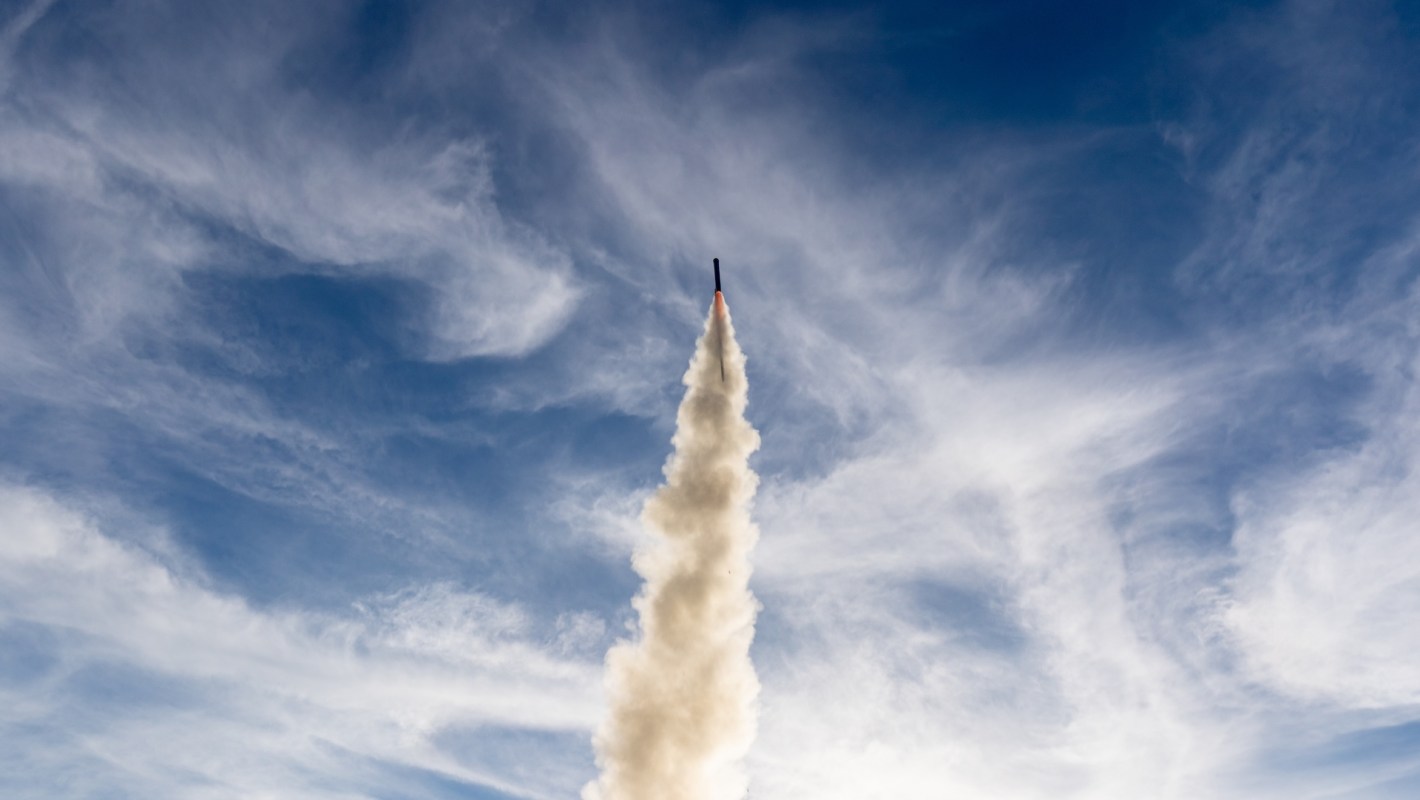
In China, researchers are launching rockets not for military purposes, but as part of cloud-seeding efforts aimed at influencing weather patterns and encouraging rainfall.
As climate change intensifies and drought conditions worsen in many regions, more than 50 countries worldwide have explored cloud seeding as a potential tool to supplement natural precipitation and support water supplies during dry periods.
What happened?
According to a report from Live Science, China has pushed weather modification further than any other country, with about 50,000 workers, thousands of rocket launchers, and dozens of aircraft devoted to the effort.
A 2023 video surfaced by Live Science shows part of that system at work: soldiers firing rockets upward while planes and drones spread cloud-seeding material into existing clouds, aiming to help those clouds produce more precipitation rather than create rain from a clear sky.
In 2018, Chinese officials introduced the Tianhe, or Sky River, project, which proposed seeding clouds across a 620,000-square-mile area of the Tibetan Plateau and redirecting moisture toward northern China, where millions face water shortages, Live Science reported.
Cloud seeding is a weather modification technique that involves introducing substances such as silver iodide or salt particles into clouds to help water droplets form and grow, increasing the likelihood of precipitation.
TCD Picks » Quince Spotlight
💡These best-sellers from Quince deliver affordable, sustainable luxury for all




A successful version of the idea could, in theory, aid drinking water supplies, agriculture, and hydropower while reducing strain on arid regions. Even so, scientists quickly questioned whether an airborne water corridor could be controlled on that scale.
Why does it matter?
Water shortages can disrupt nearly every part of daily life, from food production and electricity generation to household water access and regional economies.
Governments continue to explore tools that could help stretch limited resources further.
In narrower applications, China has used cloud seeding to build snowpack, reduce hail damage, and modestly increase precipitation, Live Science reported.
Still, researchers say cloud seeding can't create rain from nothing. It instead generates rain from existing clouds.
Jeff French, head of atmospheric science at the University of Wyoming, told Live Science, "From a physical standpoint, I can say very confidently that cloud seeding works." But he also cautioned against overstating its power: "If the promise is that cloud seeding is going to eliminate droughts even on a local level, the answer is no."
French explained that the theory lacks any scientific evidence. However, the technique can have use cases if targeted properly.
Skepticism about cloud seeding in the region did not come only from outside China. In a translated statement, Hancheng Lu, a professor at the National University of Defense Technology's School of Meteorology and Oceanography, called the Sky River idea "an absurd and fantastical project with neither scientific basis nor technological feasibility."
Emily Yeh, a professor of geography at the University of Colorado Boulder, said the project reflected "an impetus to control and to view the environment as a machine or an infrastructure that can be controlled." She added bluntly: "It was never possible."
According to a report from Live Science, Chinese officials have recently appeared more cautious about discussing cloud seeding as a large-scale solution to combat drought.

Get TCD's free newsletters for easy tips, smart advice, and a chance to earn $5,000 toward home upgrades. To see more stories like this one, change your Google preferences here.






