


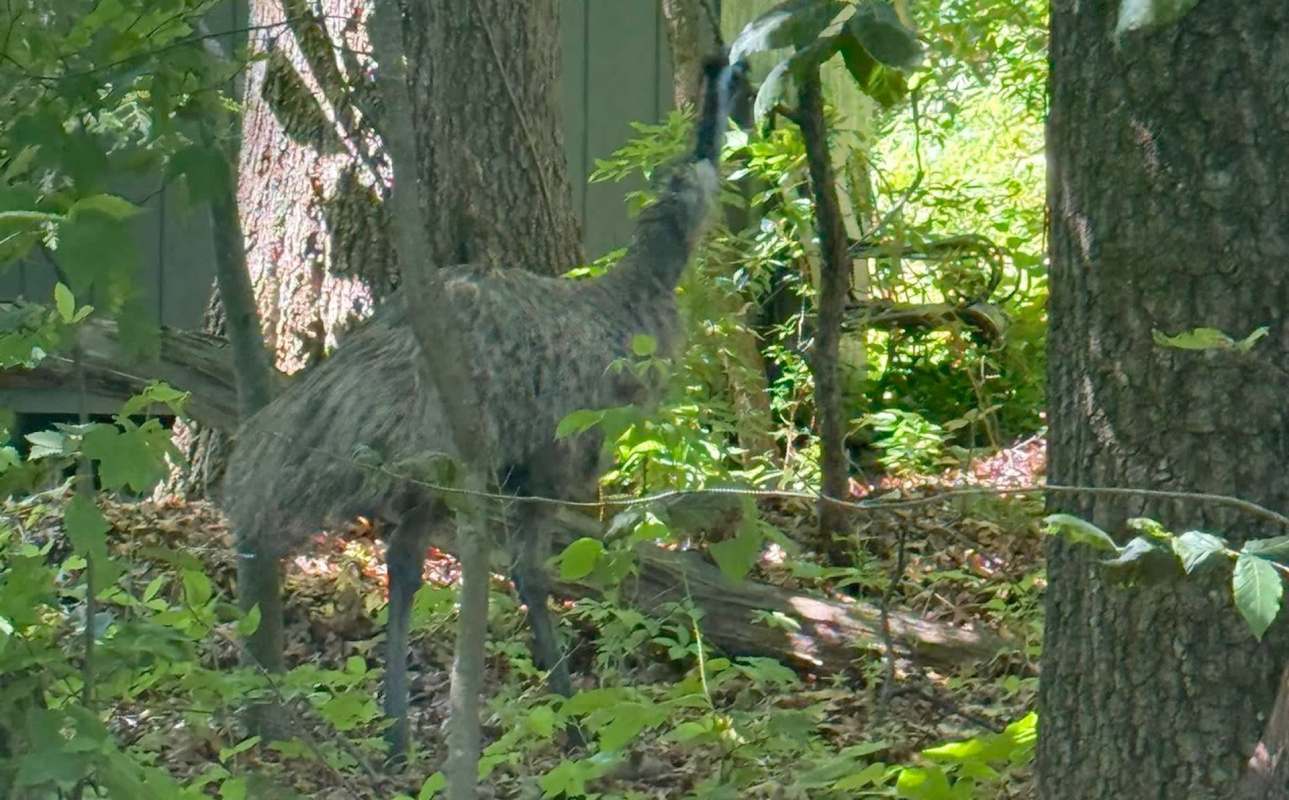
A loose emu roaming northern New Jersey has become the latest local-animal mystery.
The giant flightless bird has been the subject of repeated police sightings, yet there is still no answer to who the animal belongs to.
The oversized escapee has been spotted for several days around Byram and Budd Lake, per UPI, and now, police are trying to safely track it down before it ends up in greater danger.
What happened?
After countless sightings of the bird and reports to the police, it still remains on the loose in the Garden State.
One local animal shelter, the Hopatcong Animal Shelter, made a Facebook update, which included photos of the emu. The shelter noted that trained specialists were working to secure it near Waterloo Road in Byram.
The group added that "if you have any information as to who this bird belongs to or any sightings, please call Byram Police," the post said. The shelter also warned residents not to try catching the bird themselves.
TCD Picks » Quince Spotlight
💡These best-sellers from Quince deliver affordable, sustainable luxury for all




The shelter's public message said officials were looking for both the animal and the person responsible for it.
By last Sunday morning, the search had moved to Budd Lake, per UPI. Mount Olive Police Sgt. Marianne Wurtemberg said the emu was seen near International Drive shortly before 9:30 a.m., but officers who responded could not find it when they arrived on the scene.
Officials are still waiting for the owner to come forward, or at least, to capture the bird.
Why does it matter?
Emus are powerful, fast-moving animals that can become stressed when chased. If they run into traffic or crowded areas, they can put drivers, emergency responders, and nearby residents at risk.
These large animals, which top well over 100 pounds, can also stand above 6 feet tall, giving them an intimidating appearance.
And while they are far less aggressive than their cassowary and ostrich relatives, they can still cause harm to humans if altercations occur.
Emus are not native to New Jersey, but instead Australia, meaning this kind of encounter is clearly tied to human activity, likely private ownership.
When non-native animals escape, communities often have to use police and shelter resources to contain the situation, while the animals themselves are left vulnerable to unfamiliar roads, noise, and other hazards.

Get TCD's free newsletters for easy tips, smart advice, and a chance to earn $5,000 toward home upgrades. To see more stories like this one, change your Google preferences here.







