


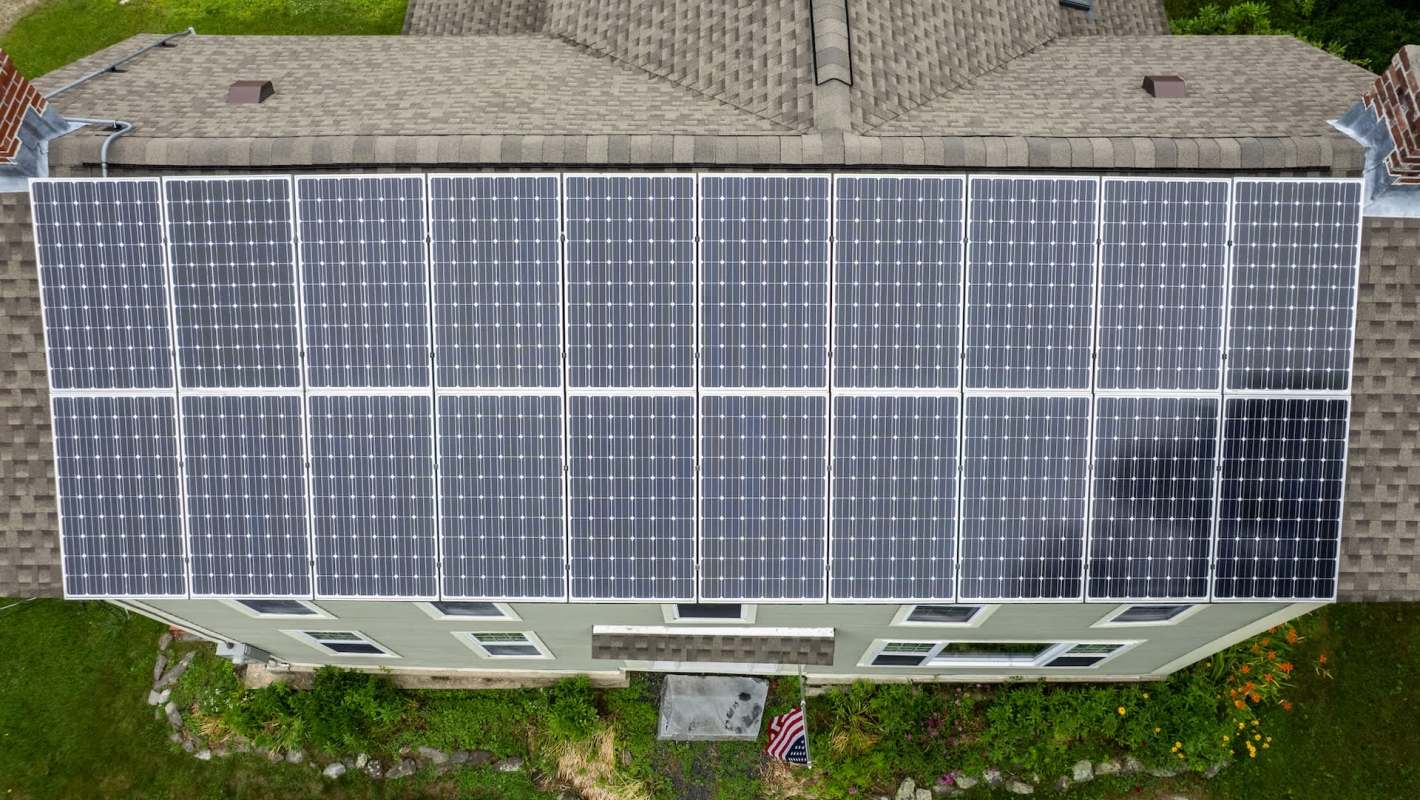
Concerns about outages, utility costs, and international unrest are pushing more Americans to rethink how they power their homes.
What's happening?
According to a new analysis in Time, clean-energy adoption in the U.S. may be shifting toward energy security, with control over volatile household costs and blackouts becoming stronger motivators than environmental priorities or simple savings alone.
Savings still do seem to be a major driver of home upgrades, though. Since the Iran war started and the Strait of Hormuz was closed, driving fossil fuel prices higher, inquiries for home solar paired with battery storage have increased by 21%, according to Time. Similarly, interest in EVs has jumped since then, with used electric cars up over 17%.
But preparedness is a bigger piece of the puzzle than in earlier clean-energy booms. Values and a desire for environmental protection have helped drive previous waves, and lower technology costs plus tax incentives accelerated solar adoption in the earlier part of this century.
But now, household resilience seems to matter more. Concern about the grid is already widespread, with nearly 4 in 5 U.S. homeowners worrying about reliability and blackouts, per Solar Tech.
The same Solar Tech report found that 64% of homeowners said ongoing blackouts would make them more likely to install solar within the next five years.
Why does it matter?
Energy insecurity can strain households in several ways at once. A blackout can spoil food or medicines, shut off air conditioning, and disrupt remote work.
At the same time, spikes in gas prices can raise the cost of everything from commuting to groceries.
Save $10,000 on solar panels without even sharing your phone number Want to go solar but not sure who to trust? EnergySage has your back with free and transparent quotes from fully vetted providers that can help you save as much as $10k on installation. To get started, just answer a few questions about your home — no phone number required. Within a day or two, EnergySage will email you the best local options for your needs, and their expert advisers can help you compare quotes and pick a winner. |

Clean energy technologies can reduce different kinds of pressure. Rooftop solar can lower monthly electricity bills, batteries can keep essential devices running during outages, and EVs can reduce reliance on volatile gas prices.
There are still some meaningful barriers. Tariffs and supply-chain pressures have pushed up the cost of some clean-energy projects, and, as Time noted, the federal tax credit for residential solar panels was eliminated after 2025, increasing upfront costs for many households.
Still, solar remains attractive in many places because the energy itself doesn't carry a fuel charge. That can make these home systems feel less like a personal preference and more like a buffer against future disruption.
What can I do?
For more households, the calculation now goes beyond potential savings alone. The bigger question is how to prepare for the next outage or price spike, as Americans seek steadier access to power than a monthly utility bill can assure.
More From EnergySage
💡Go deep on the latest news and trends shaping the residential solar landscape
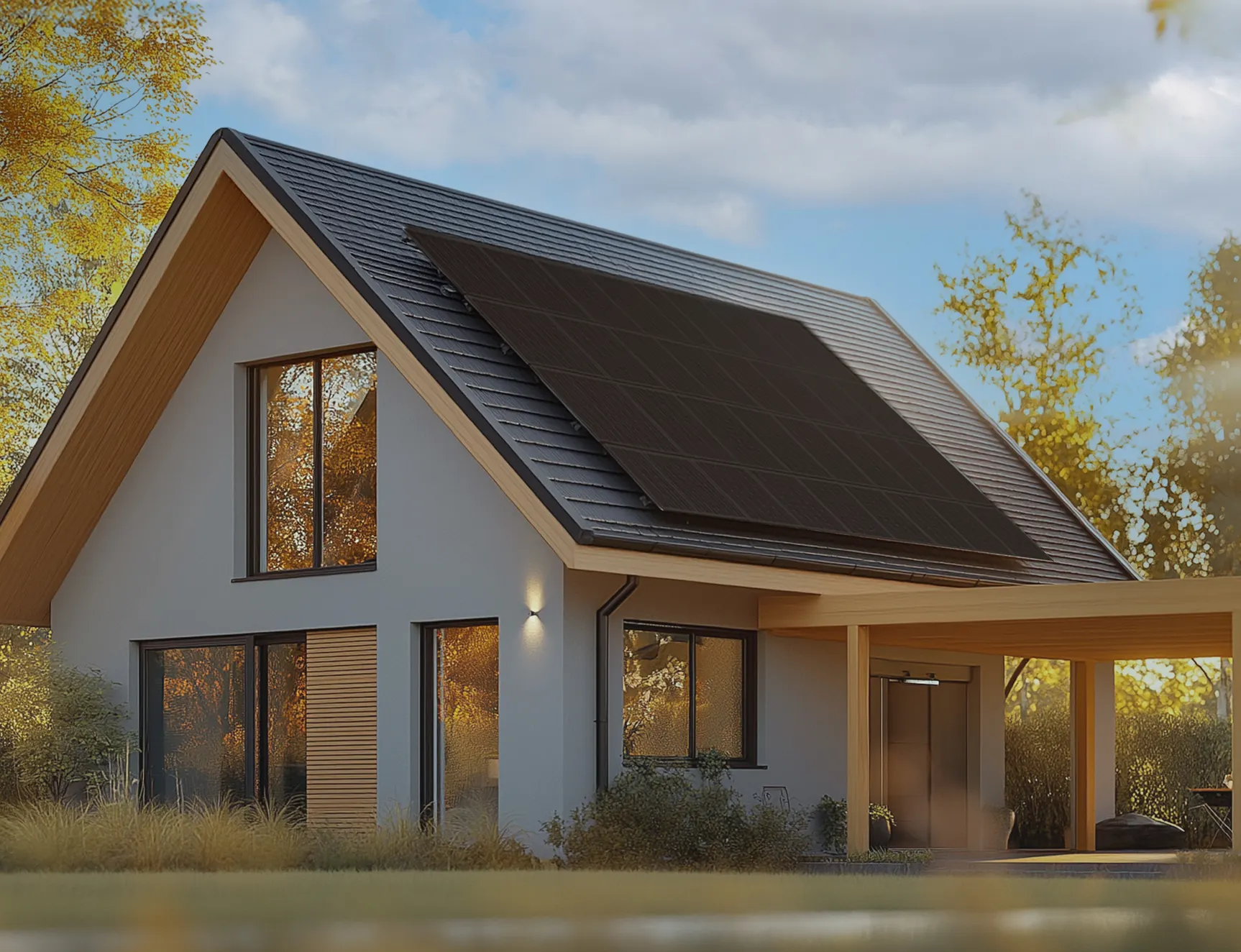
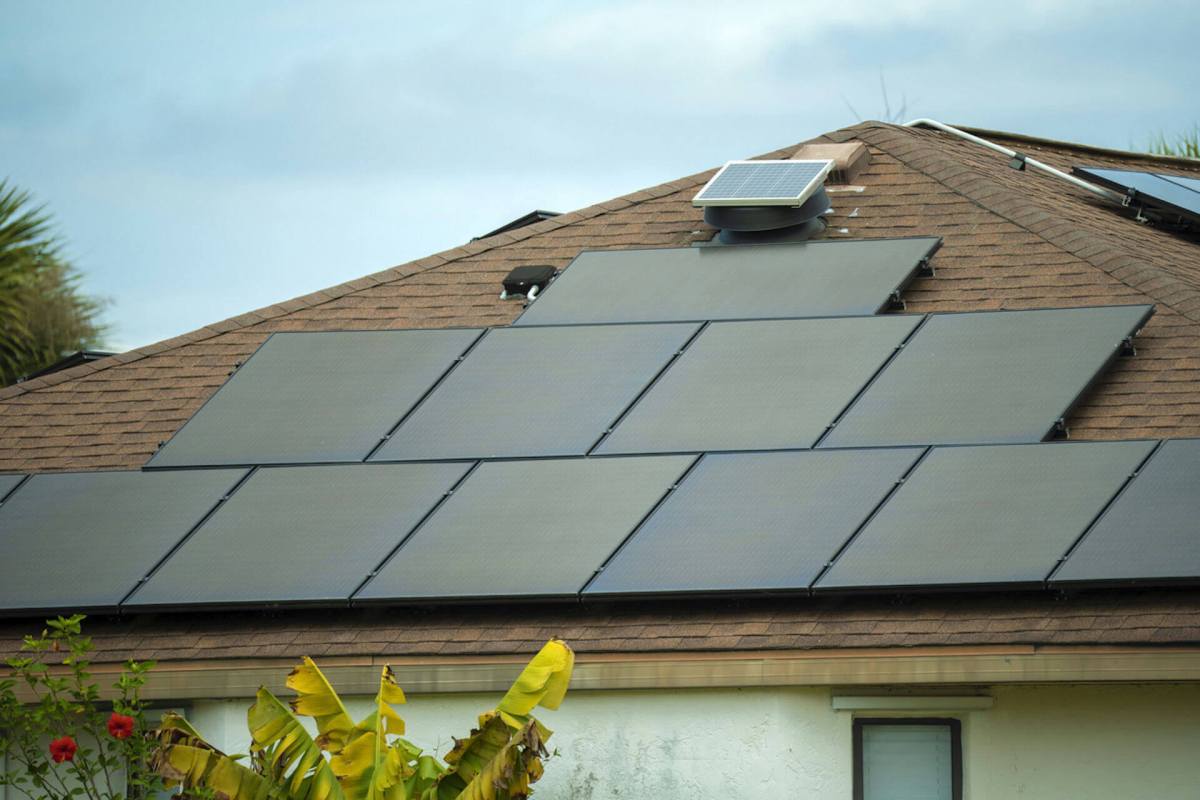
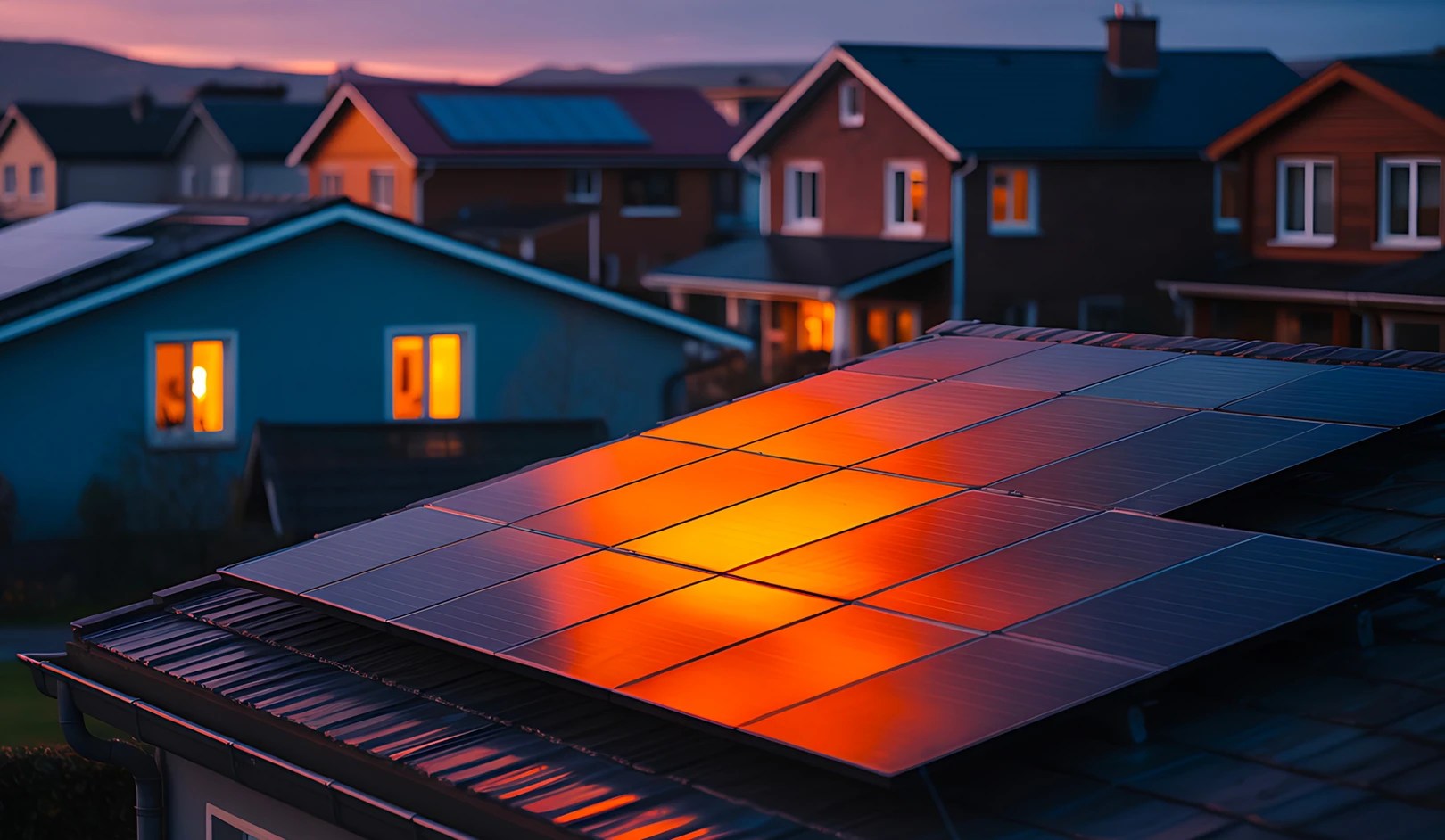

Adding battery storage to a solar setup can protect your home during outages, save money on energy, and help you go off-grid. It can also help you store the power your panels generate during the day so you can use it later when rates are higher, or the grid goes down.
If you're interested in solar panels, consider checking out EnergySage, which has free tools that can save you up to $10,000 when going solar. If upfront costs are still prohibitive, consider a solar leasing program like Palmetto's LightReach, which can slash your utility rate by 20% for no money down.

Get TCD's free newsletters for easy tips, smart advice, and a chance to earn $5,000 toward home upgrades. To see more stories like this one, change your Google preferences here.






