


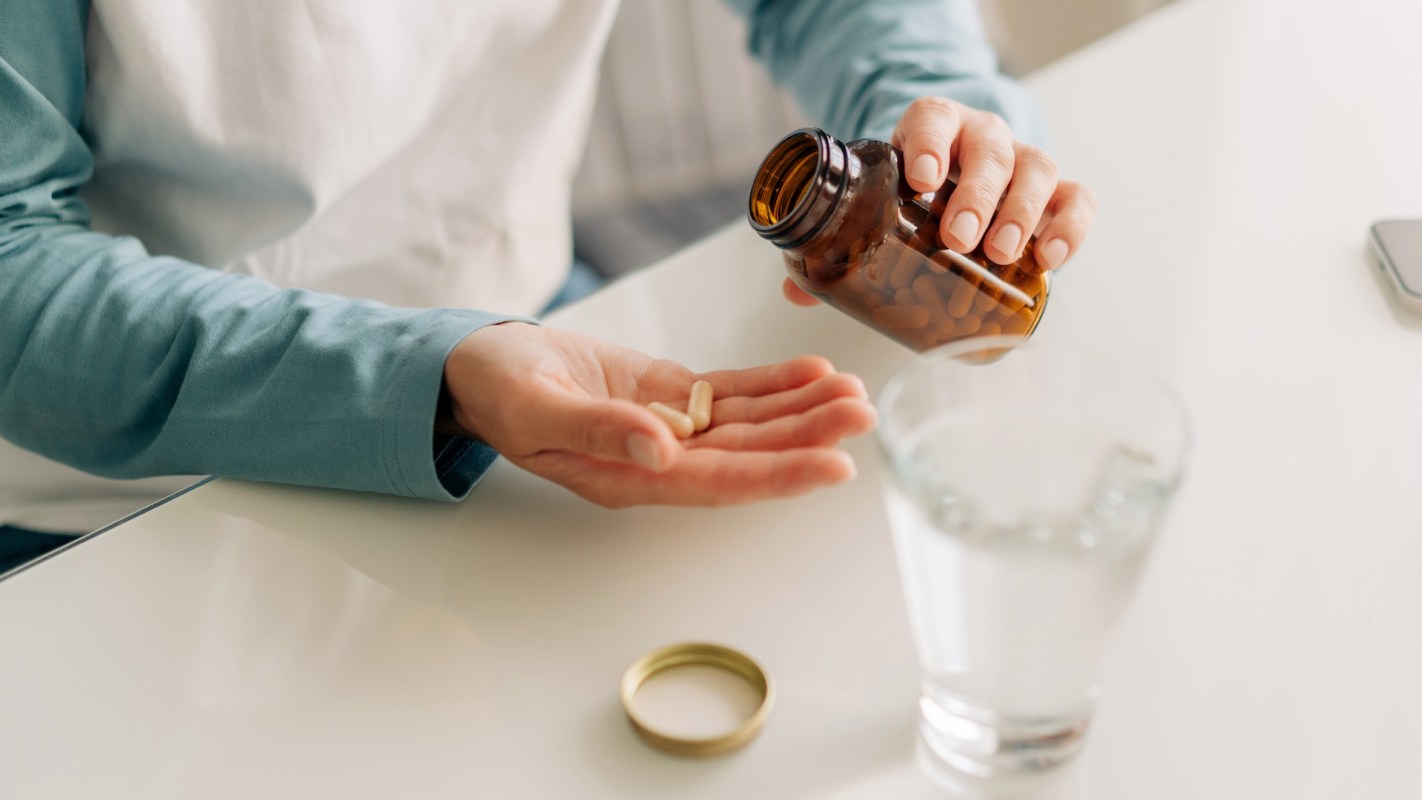
Many older adults take calcium and vitamin D in hopes of protecting their bones. But a major new review indicates that, for most people living independently, those supplements may offer little help in preventing fractures or falls.
What happened?
In a meta-analysis published in The BMJ, researchers pooled 69 randomized trials involving 153,902 participants. Looking across those studies, they found that calcium alone, vitamin D alone, or the two together provided little benefit for preventing fractures in most older adults.
The team evaluated the results using thresholds defined in advance, asking not just whether the numbers differed statistically but whether any difference was large enough to matter in everyday care.
A modest signal favoring calcium plus vitamin D still fell short of that mark. In a news release, The BMJ stated calcium alone had "little to no effect" on any fracture, while calcium plus vitamin D had "little to no clinically meaningful effect."
The review also extended beyond overall fracture risk. For falls and hip fractures, researchers found moderate- to high-certainty evidence that the supplements made little difference.
Why does it matter?
For otherwise healthy older adults living independently, the case for taking calcium or vitamin D mainly to avoid fractures is now much weaker. On that specific goal, the evidence no longer strongly supports routine use.
TCD Picks » Quince Spotlight
💡These best-sellers from Quince deliver affordable, sustainable luxury for all




Not every older adult fits the group studied, though. Supplements may still be medically appropriate for people with osteoporosis, vitamin D deficiency, malabsorption problems, or very low sun exposure.
The Preventive Services Task Force issued a draft recommendation in December 2024 against routine supplement use for falls and fracture prevention among adults living independently, reversing its 2018 recommendation, though that draft has not yet been finalized, Medical Daily reported.
What can I do?
Supplement use may still make sense when a deficiency has been documented or when it is part of an osteoporosis treatment plan. If the main purpose is general fracture prevention, though, it is worth revisiting that approach.
Other strategies appear to have stronger support, including weight-bearing exercise, resistance training, adequate protein intake, vision checks, medication reviews, and removing tripping hazards at home.
For some older adults, a bone-health plan focused on strength, balance, and fall prevention may be a better use of resources than supplements with limited expected benefit.
Overall, the review suggests that healthy older adults living independently may get little to no effect from supplements on fractures and falls, while movement, nutrition, and safer daily habits have stronger support.

Get TCD's free newsletters for easy tips, smart advice, and a chance to earn $5,000 toward home upgrades. To see more stories like this one, change your Google preferences here.






