


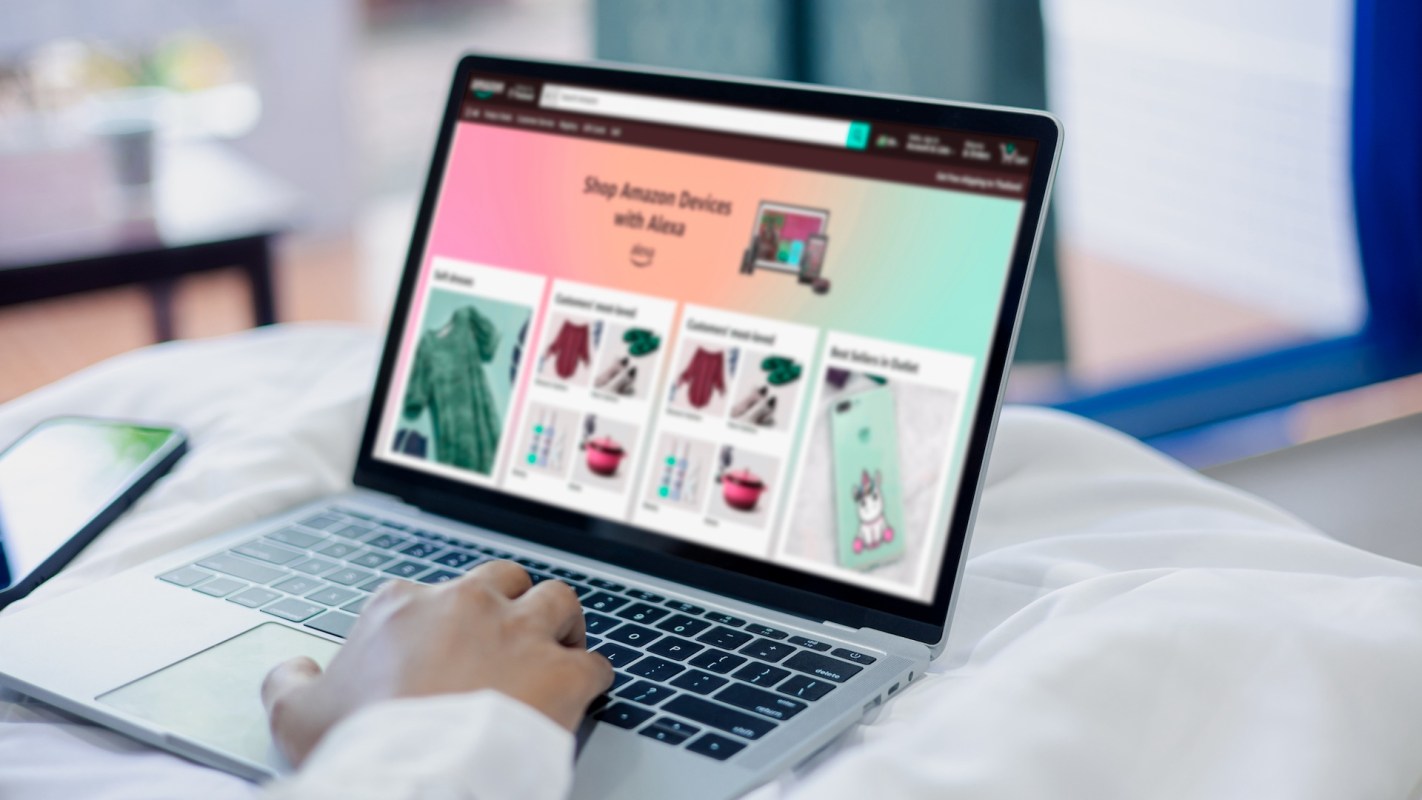
Buying online is often treated as the cleaner, more efficient alternative to store runs, but that equation can change once shipping thresholds, extra packaging, and return hassles come into play.
One shopper's running tally of delivery trucks, cardboard boxes, and impulse purchases has now sparked a broader conversation about whether clicking "buy now," rather than shopping in person, actually helps people consume less.
What's happening?
In the r/Anticonsumption Reddit forum, one user argued that online shopping may create more waste and prompt more spending than many people realize.
They said the design of online retail can make overspending easier. For one, a digital cart does not feel as real (or heavy) as carrying items through a store. Additionally, recommendation algorithms keep surfacing more products, and shoppers may toss in an extra item simply to reach free-shipping minimums.
They also questioned the environmental side of online buying, pointing to several delivery vehicles passing through the same neighborhood, orders split across warehouses and packed separately, and returned items that may not end up back in circulation.
"I saw the third amazon truck pull into our neighborhood yesterday for yet another neighbor. The individualized driving for delivery is killer," the original poster wrote in a comment.
TCD Picks » Quince Spotlight
💡These best-sellers from Quince deliver affordable, sustainable luxury for all




Some commenters argued online shopping can actually help reduce overbuying when approached carefully, while others noted that physical stores are also built to encourage impulse purchases.
Why does it matter?
The conversation was not only about waste. Whatever you save on shipping can disappear if you buy something extra to qualify for it, and a purchase that does not work out can cost additional time or transit costs to return.
The discussion shows how convenience can cut both ways. Online shopping makes it possible to buy something at any hour, but that constant accessibility may also make it harder to stop and think before checking out.
As one commenter put it: "Also you can shop anytime, anywhere online. It takes a block of time and physical effort to go into a store."
Others said the opposite is true for them. Another person commented: "I am way more likely to overconsume when shopping in store than online... I can add it to the cart and leave it for later... time to think on it."
What can I do?
Much of the thread centered on the habits that nudge people to buy more than they intend.
If free-shipping thresholds, limited-time "drops," or recommendation feeds regularly shape your decisions, waiting before checkout or shopping online less often could cut costs and reduce clutter.
Some users said shopping locally creates a natural pause in the process. One commenter shared: "My personal rule is that if I can buy it locally, I do (and that also means getting it home on the bus/train/on foot). Definitely has helped with buying less."
Others suggested using the advantages of online shopping more selectively — such as opting for curbside grocery pickup or leaving items in a cart overnight before deciding.
Another Redditor wrote: "I hate online shopping because it's framed as convenient, but it's such a hassle."

Get TCD's free newsletters for easy tips, smart advice, and a chance to earn $5,000 toward home upgrades. To see more stories like this one, change your Google preferences here.






