


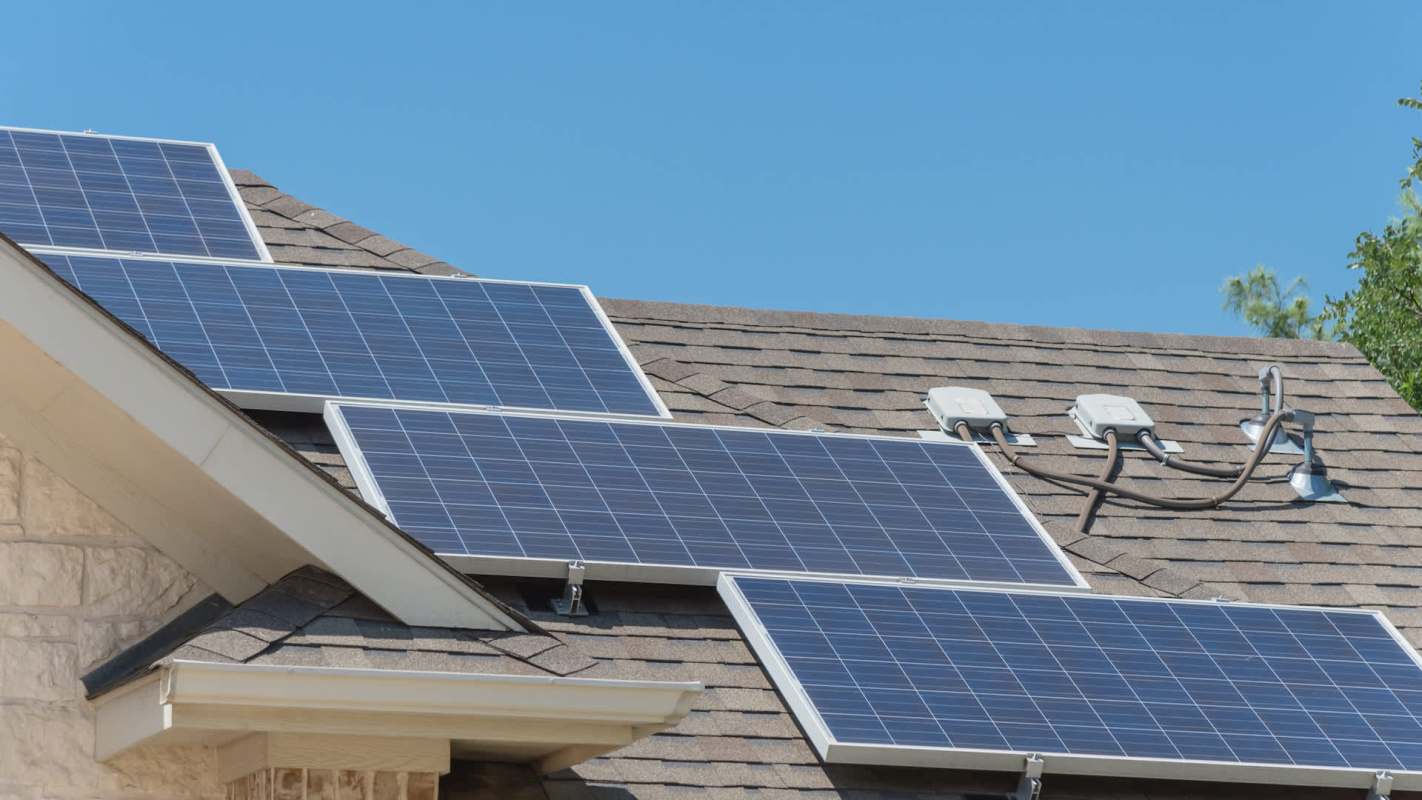
Going solar is one of the best ways to save money on home energy, especially when heavy air-conditioning use sends monthly bills soaring.
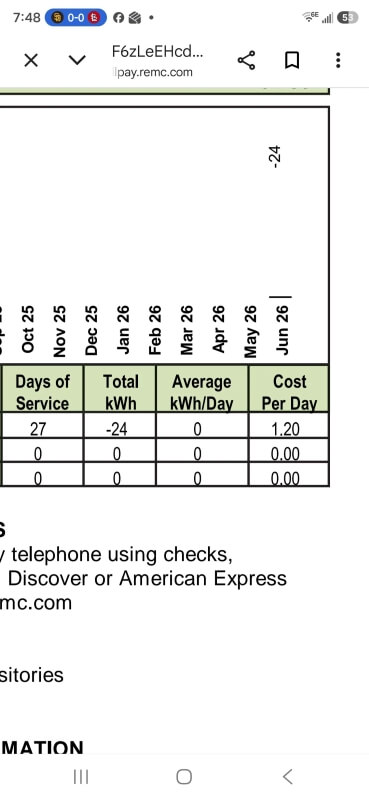
A Reddit post showed how dramatic that shift can be. A homeowner who had been using about 2,000 kilowatt-hours a month said their first bill after installing solar came in with negative energy use.
What's happening?
The original poster shared a photo on the subreddit r/solar showing the home's first electric bill after the solar setup was installed.
"Wish it would show previous months which were around 2,000 kwh," they said. "So having a negative bill is amazing! Hopefully this trend continues."
That result still came with a caveat: Producing more electricity than you use does not always wipe out every utility charge.
When a commenter asked, "How much is your bill when you're negative for the month?" the original poster replied, "Unfortunately still 34 because of interconnection fee."
The homeowner later added: "Yea i knew that going in, its actually $46 a month, so i oversized my system because they let me buy that rate down. … But still not terrible compared to an almost $300 bill."
Similar experiences came up elsewhere in the thread, including one person who said a May bill was "$23.85" while charging two EVs and running pumps with a 9.6-kilowatt solar array and 30 kilowatt-hours of batteries.
Save $10,000 on solar panels without even sharing your phone number Want to go solar but not sure who to trust? EnergySage has your back with free and transparent quotes from fully vetted providers that can help you save as much as $10k on installation. To get started, just answer a few questions about your home — no phone number required. Within a day or two, EnergySage will email you the best local options for your needs, and their expert advisers can help you compare quotes and pick a winner. |

Why does it matter?
For households dealing with rising electricity prices, that kind of predictability can make budgeting much easier.
The conversation also pointed to a common frustration for solar customers: Even when a home generates ample electricity, base service and interconnection fees can keep a bill from disappearing entirely.
"That number has slowly crept up over the years as the power company keeps screwing customers more and more," one user said.
What can I do?
If you're interested in benefitting from solar panels like the OP, consider checking out EnergySage. Its free tools can help you find competitive quotes from vetted installers and help you save up to $10,000 when adding panels to your home.
More From EnergySage
💡Go deep on the latest news and trends shaping the residential solar landscape


But if upfront costs are prohibitive, consider solar subscription programs, like the Palmetto LightReach program, which lets you get panels on your home for no money down and can lower your utility rate by up to 20%.
Pairing solar panels with efficient electric appliances can push utility costs even lower. Adding battery storage to a solar setup can protect your home during outages, save money on energy, and even go off-grid. Batteries can also help store extra solar power for use at night or during peak-rate hours.
Also, check out Merino for single-room, ultra-efficient HVAC systems that can help you cut down on utility bills, especially during the summer months. Merino's units are installed incredibly quickly (in under an hour) and can provide both heating and cooling.

Get TCD's free newsletters for easy tips, smart advice, and a chance to earn $5,000 toward home upgrades. To see more stories like this one, change your Google preferences here.






