


A stubbornly hot room can turn an otherwise functional cooling setup into an expensive frustration.
What's happening?
On Reddit's r/Frugal forum, a user said their office stays warmer than the rest of the house. As a stopgap, they wrote that they "currently use [a] shop fan to blow air out of the room and hopefully suck cold air in from the rest of the house."
Because the room has only one window to work with, the poster was trying to choose between a compact window AC and a portable floor model with an exhaust hose. They also said the existing fan is "very loud and blows dog hair and dust throughout the house."
A powerful fan may cost less upfront, but if it moves conditioned air inefficiently — and still leaves the room uncomfortable — it may not be the most effective fix.
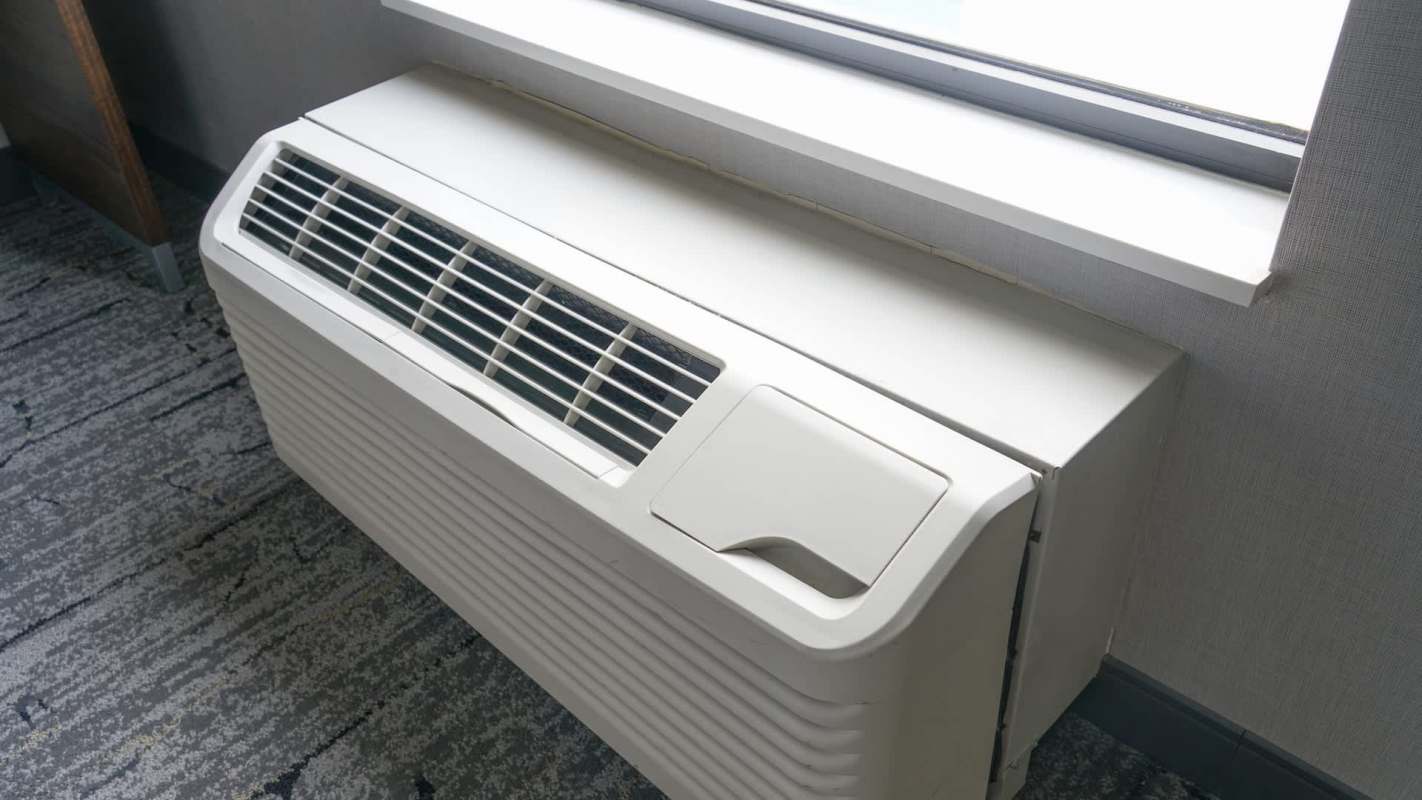
Window-mounted units are often better suited to cooling a single room because they vent heat directly outdoors and can usually be sealed more tightly than many portable models. That can help reduce wasted energy and limit the amount of hot outdoor air that slips back inside.
Why does it matter?
Cooling one problem room efficiently can make a noticeable difference in a monthly utility bill. If a workspace, bedroom, or office never gets comfortable, many people end up lowering the thermostat for the entire house, which can drive up energy use far more than targeted cooling would.
TCD Picks » Quince Spotlight
💡These best-sellers from Quince deliver affordable, sustainable luxury for all




A small, efficient room AC or ultra-efficient single-room system may cost more upfront than simply running a fan, but it can save money by preventing whole-home overcooling. It can also improve indoor air quality compared with a shop fan that stirs up dust and pet hair.
Noise is another factor. A quieter setup can make a home office more usable and reduce the temptation to run multiple appliances at once just to stay comfortable.
What can I do?
It may help to compare a small window unit with a portable model. In many cases, a window AC will cool more effectively with similar electricity use, especially if you can seal the edges well after removing the screen. That can translate into lower monthly cooling costs.
Opening the window in this room at night to let cool air in, and then closing it during the day, is another option. Blackout curtains would also keep heat out, especially if the window is south-facing.

Get TCD's free newsletters for easy tips, smart advice, and a chance to earn $5,000 toward home upgrades. To see more stories like this one, change your Google preferences here.






