


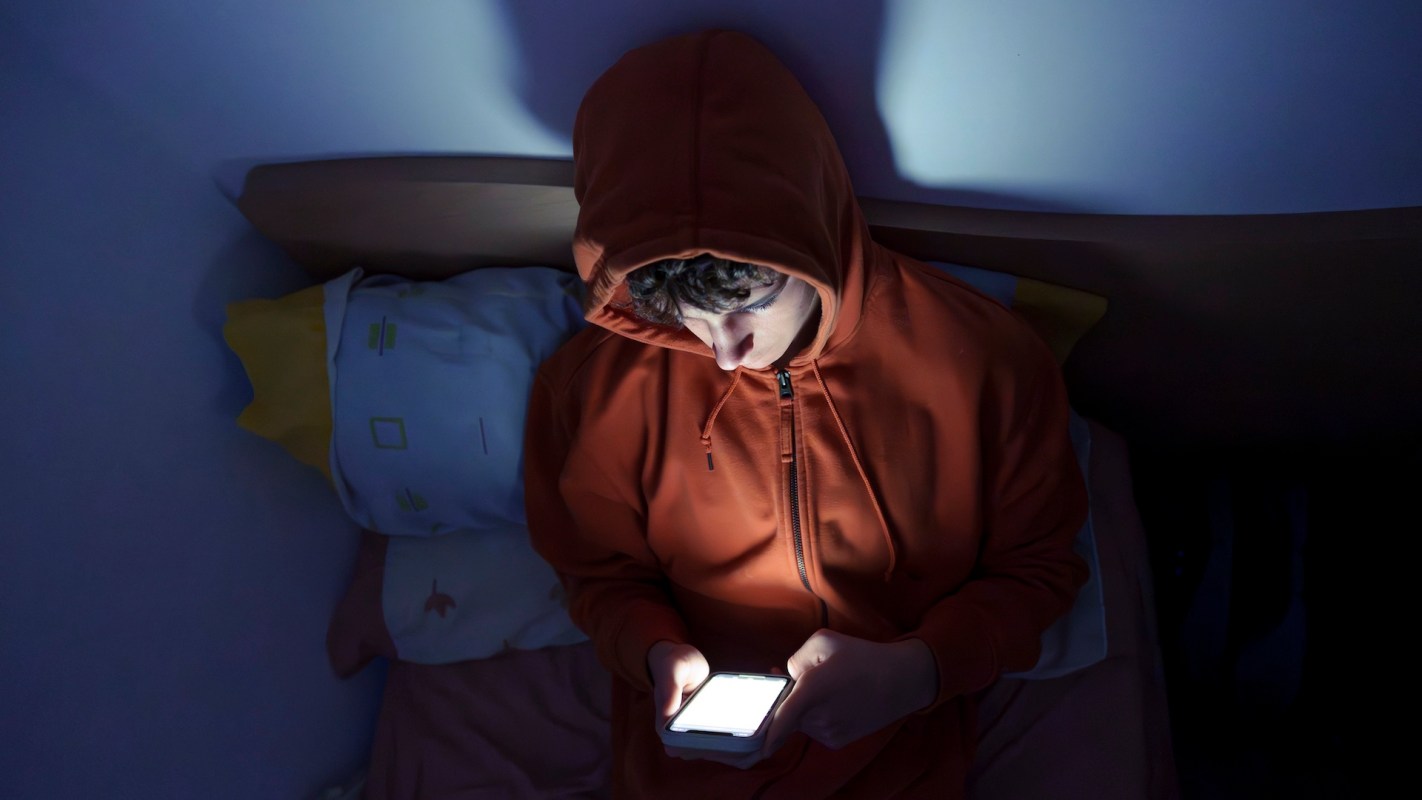
For some Gen Z folks in South Korea, the thrill of online shopping apparently does not require spending any money — or even receiving a package.
What's happening?
A Redditor highlighted an Instagram post from Interesting Engineering describing so-called "dopamine sites," mock shopping platforms that mimic the motions of buying something online, including order tracking and delivery updates, while never sending a real purchase.
Nothing is actually sold on these sites. They let people move through familiar shopping steps such as browsing products, reading reviews, filling a cart, and watching a pretend courier head to their address, all "without charging anything or delivering a single item."
According to Interesting Engineering, one observer described the experience as "online shopping karaoke: all the performance, none of the consequences."
For some younger Koreans dealing with expensive living costs and constant pressure to consume, the appeal may be getting the feeling of shopping without the financial hit. The sites offer "the ritual without the debt," as the IE post observed.
Kim Heon-sik, a psychology professor, told the outlet the strongest appeal may come from the waiting rather than the package itself. If following an order's progress produces the bigger dopamine response, then a site that copies that buildup could briefly scratch the same itch.
TCD Picks » Quince Spotlight
💡These best-sellers from Quince deliver affordable, sustainable luxury for all




Why does it matter?
The biggest consumer benefits are obvious: no impulse spending, no hefty credit card bill, and no clutter piling up at home. A fake checkout could seem like a lower-cost substitute for the real thing.
Whether that leads to healthier habits is another question. These platforms might help someone spend less if the draw is the shopping routine itself, but critics argue they could also preserve the same reward cycle instead of helping users move past it.
Separate from that debate is a privacy issue. It is still unclear who runs some of these sites or how any data from users' fake shopping activity is handled.
What are people saying?
Reddit commenters sounded far more skeptical than persuaded.
"If this is actually a real thing, I'm genuinely confused why anyone would use it more than once," one user wrote. "After the first time of getting zero reward at the end, I'd think that there'd be no dopamine response. It's like playing a free casino game."
"It's like a nicotine patch for shopaholics," another user said. "I guess if it works as a sort of therapy to curb the behavior and drive, it's a good thing. If it works."
Another summed up the divide, saying, "I think we're lucky that our brains don't work like that. For some people, it's absolutely just the process."

Get TCD's free newsletters for easy tips, smart advice, and a chance to earn $5,000 toward home upgrades. To see more stories like this one, change your Google preferences here.






