


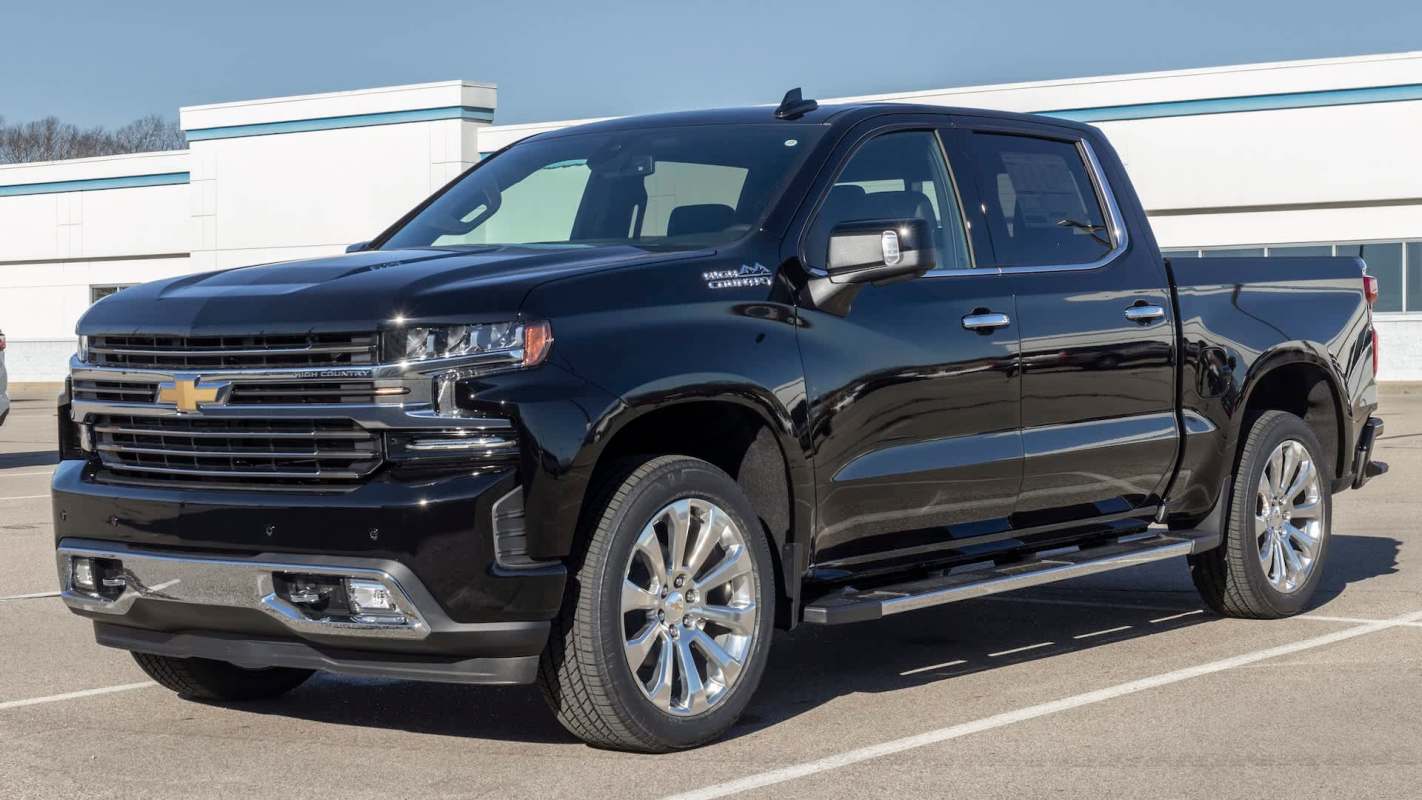
Big electric pickups are often framed as a worst-case scenario for EV practicality. But one Chevrolet Silverado EV owner shared a real-world driving experience suggesting the opposite.
What's happening?
In a post on r/electricvehicles, a Silverado EV owner detailed a long work commute in a 2025 Silverado EV RST Max.
"It was showing my 4hr drive of 261.2 miles," they said, mentioning that the car gets 2.0 miles per kilowatt-hour of charging power. "Range used: 259mi, Miles driven: 261.2, Actually gained 2.2miles through efficiency."
Home charging, along with free charging at work, was a major part of the owner's calculations, even though it would still be worthwhile fully going on at-home charging only. However, with free charging at work, the trip only costs them "$51.40 to drive 2,089.6 miles a month."
To show the gap relative to a gas truck, the poster estimated that a comparable Silverado 1500 averaging 20.5 miles per gallon would need 101.93 gallons to cover that distance. At the original poster's median fuel price of $3.81 per gallon in their area as of the June 15 post, the total would be $388.35 for the month.
Why does it matter?
Based on the driver's estimate, the EV cuts monthly fueling costs by more than $330 and annual costs by $3,426.60. Pickup owners often drive long distances, and fuel expenses can add up quickly in large gas-powered trucks. On this trip, the truck covered more than 260 miles while keeping charging costs low.
TCD Picks » Quince Spotlight
💡These best-sellers from Quince deliver affordable, sustainable luxury for all




The trip also speaks to one of the most persistent concerns surrounding EVs: range anxiety. In this case, the truck not only completed the trip, but it also exceeded the expected range.
There are environmental benefits as well. Replacing gasoline-powered driving with electric miles helps reduce tailpipe pollution, which can contribute to cleaner air in the communities where people live and travel.
What can I do?
Home charging can significantly reduce the cost of charging an electric vehicle, further boosting financial savings compared to driving a gas guzzler.
The driver noted that a home charger "can be as low as $750+install fee," and it can make everyday charging much cheaper and more convenient than relying entirely on public stations.
Workplace charging can make the savings even more attractive, as the poster's monthly total suggests. If your employer offers charging or your utility provides lower overnight rates, those savings can build quickly.
Total cost of ownership is often more revealing than sticker price alone. Fuel, maintenance, and charging setup expenses can create a very different overall picture, particularly for drivers who put a lot of miles on their vehicles.

Get TCD's free newsletters for easy tips, smart advice, and a chance to earn $5,000 toward home upgrades. To see more stories like this one, change your Google preferences here.






