


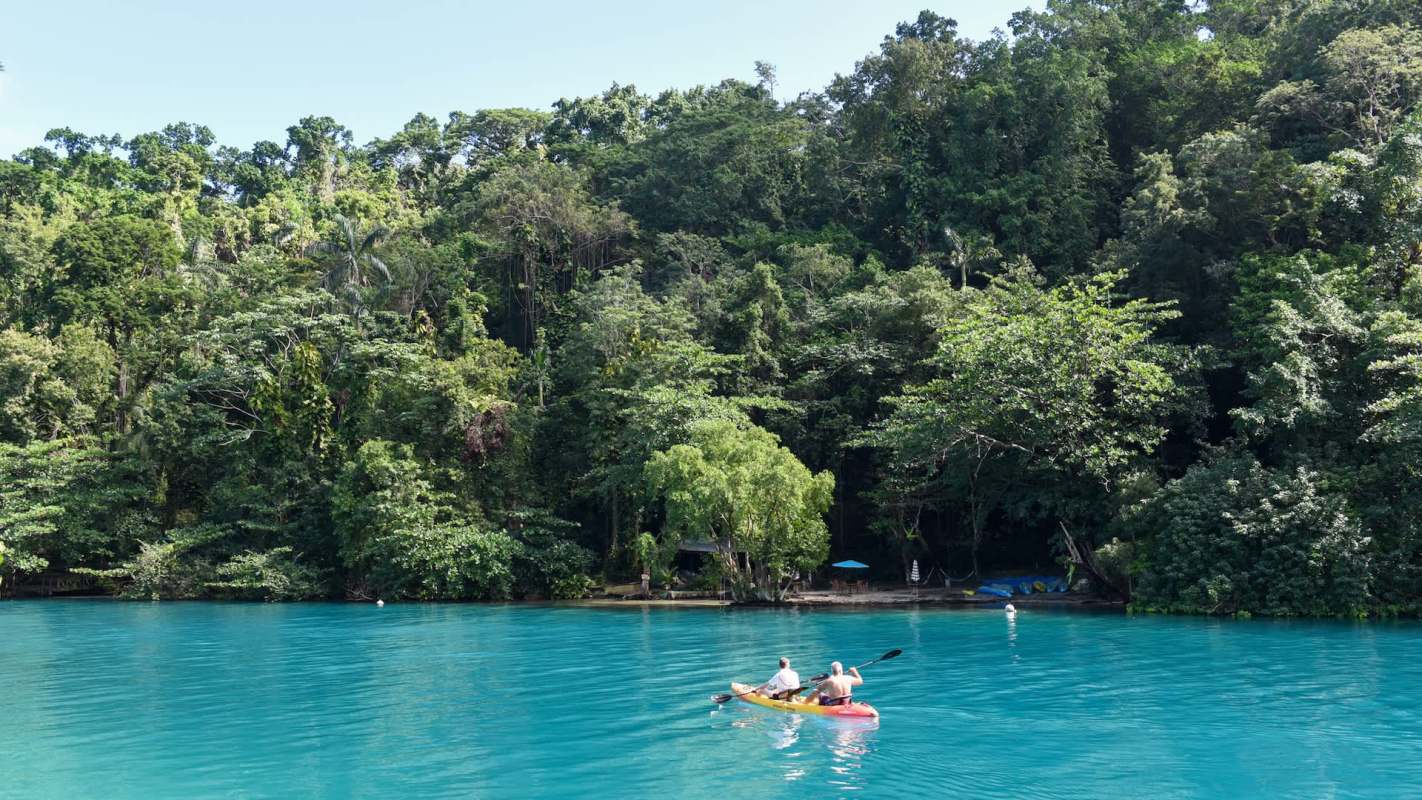
A court fight in Jamaica is putting a bigger question on trial than just the fate of one beach: As high-end tourism projects spread, will Jamaicans retain access to their coastline or be shut out?
Campaigners say Mammee Bay, in particular, shows what is at stake, arguing that a shoreline long used by local people to make a living has been closed off to serve a resort economy that benefits some far more than others.
What happened?
One of the leading figures in the case is Devon Taylor, founder of the Jamaica Beach Birthright Environmental Movement, which is challenging what activists describe as the conversion of public shoreline into private space.
Taylor says the dispute began at Mammee Bay in St. Ann, where residents were blocked from the beach in 2019 after developers behind all-inclusive hotel projects put up fencing and added security.
The Guardian reported that Mammee Bay is one of five beaches now at the center of court action, with the first trial due to begin later this month. According to activists, similar battles are underway at Little Dunn's River, the Blue Lagoon, Bob Marley beach, and Flankers/Providence beach.
"That beach raised us. It fed us," Taylor said. He remembered children going into the water after school, fishers selling what they had caught, and vendors working beneath almond trees.
TCD Picks » Quince Spotlight
💡These best-sellers from Quince deliver affordable, sustainable luxury for all




Why does it matter?
Those involved in the campaign say the issue reaches far beyond leisure or recreation. They argue that beaches provide food, work, healing, and a place for community life, so losing access can quickly reshape everyday existence. Taylor put it starkly: "When you cut us off from the sea … you are actually setting us up to starve."
Campaigners in Portland say the same pattern is visible at the Blue Lagoon, where a closure described as a temporary upgrade was, they argue, actually connected to plans for private villas. In Montego Bay, activists are pushing back against sea-building proposals they believe would further marginalize residents.
Opponents have labeled this approach "plantation tourism," saying it is structured to favor wealthy visitors and developers while leaving Jamaicans with reduced access to their own shores. Damion Coombs, Jabbem's director of community engagement, expressed that complaint, saying: "We are generating the revenue, but we're not gaining from it."
For their part, government officials say they are trying to widen access through beach parks and planning requirements for "corridors to the sea," but activists counter that those steps still stop short of guaranteeing free, permanent public entry.
What are people saying?
Taylor has cast the struggle as a personal political transformation, saying it turned him into "an anti-colonial fighter" against "the colonial logic of land dispossession."
In Flankers, campaigner Olando Brown was similarly blunt: "Our foreparents shed blood for this land. We shouldn't be forced to fight for what is already ours."
Matthew Samuda, Jamaica's minister of environment and climate change, defended the government's stance, saying it is committed to ensuring "that its natural assets also benefit its citizens."

Get TCD's free newsletters for easy tips, smart advice, and a chance to earn $5,000 toward home upgrades. To see more stories like this one, change your Google preferences here.






