


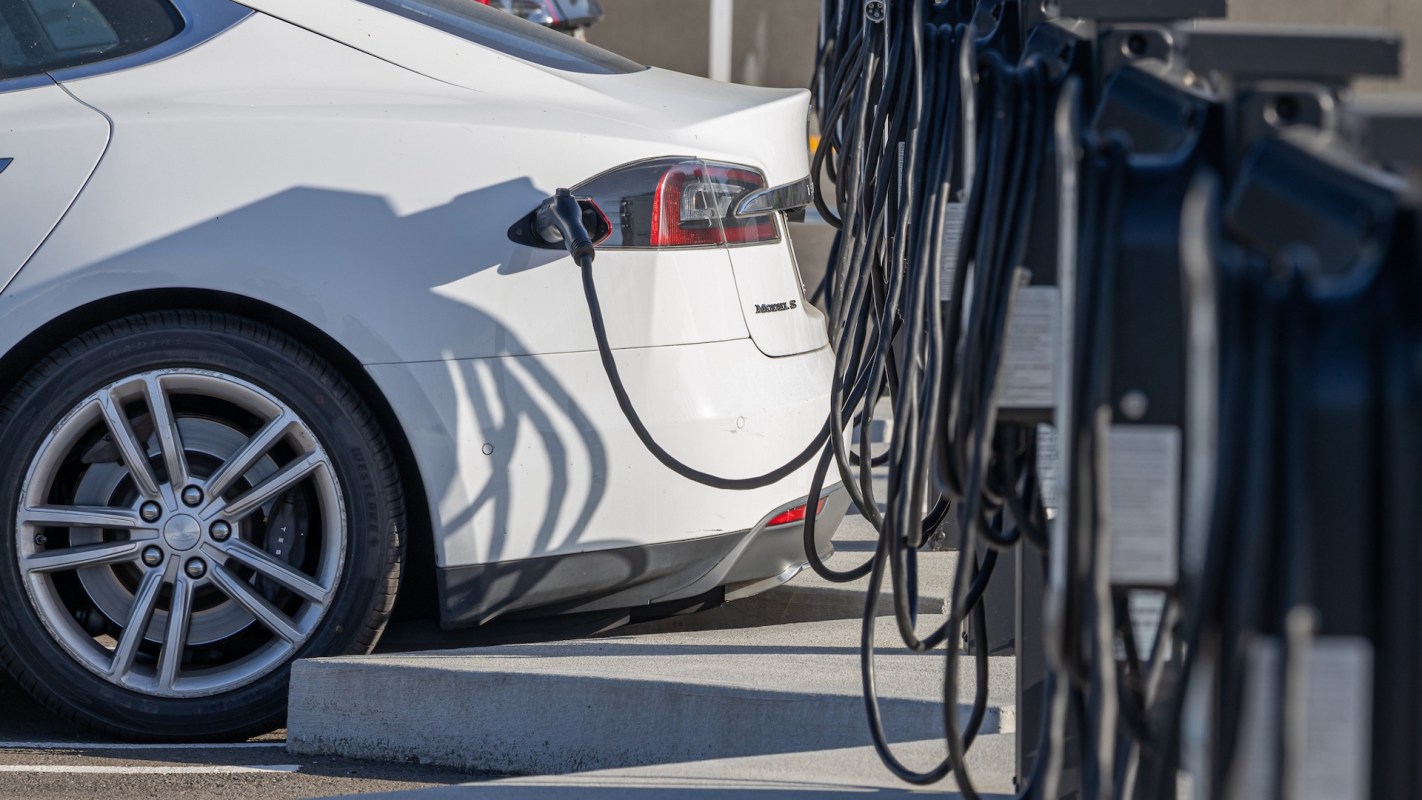
For would-be EV buyers who rent, one question can make or break the decision: Where will you charge?
A Reddit post asking whether apartment life in the U.S. makes used EV ownership practical has sparked debate over cost and convenience, and observed a frustrating reality for some drivers that free public chargers may be getting harder to find.
What happened?
In a Reddit discussion, a person planning a move to the U.S. from Europe said they expect to live in an apartment, likely in Atlanta, for at least the first few years.
"I'll be moving to the U.S. in the near future, so this question is more about the current state of charging infrastructure in the U.S," they said. "I'm really interested in buying a used EV as my first car, but I'm concerned it might not be the most economical option if I can't charge at home."
They asked whether apartments usually offer enough charging and said waiting for the battery to fully fill up would be acceptable, just not if public charging ends up costing more than a hybrid.
Why does it matter?
EVs can help drivers save money on fuel and maintenance, but those savings tend to be greatest when charging is available at home or through low-cost Level 2 stations nearby. If a driver has to rely mostly on public fast chargers, the comparison can start to look much closer to a hybrid.
TCD Picks » Quince Spotlight
💡These best-sellers from Quince deliver affordable, sustainable luxury for all




Charging access can be the difference between an EV that saves money and one that becomes inconvenient. A nearby free charger can bring day-to-day fueling costs close to zero for local commuting, and even paid home or public Level 2 charging is often cheaper than filling up with gas.
EVs can also reduce ownership costs in other ways, including fewer routine maintenance needs, such as oil changes.
Used EVs can offer a lower upfront price along with lower running costs. However, commenters said those savings can be harder to secure if free charging disappears or public stations are unreliable.
Even where public chargers exist, commenters said vandalism and gas-powered cars occupying stalls can make them unusable, while free charging itself is becoming less common as funding and upkeep dry up. The discussion also touched on Florida's rejection of $200 million in federal funding.
What are people saying?
Charging access was a recurring recommendation, with commenters saying it should be a priority when searching for an apartment.
"Since you don't know where you're going to live yet, why not make it a point to find a place that has chargers, or a free one nearby," one person wrote.
"I've got 15-20 free Level 2 chargers within a mile of my house," another commenter shared. "It was a city directive."
Others were more pessimistic, warning that complimentary charging may be getting harder to find.
"Sadly there's less and less of those," one user wrote. "The grant money and upkeep money has been removed. Power costs up. The ones that get damaged usually get shut down and removed. It's such a bummer, it was great for apartment/renters."

Get TCD's free newsletters for easy tips, smart advice, and a chance to earn $5,000 toward home upgrades. To see more stories like this one, change your Google preferences here.






