


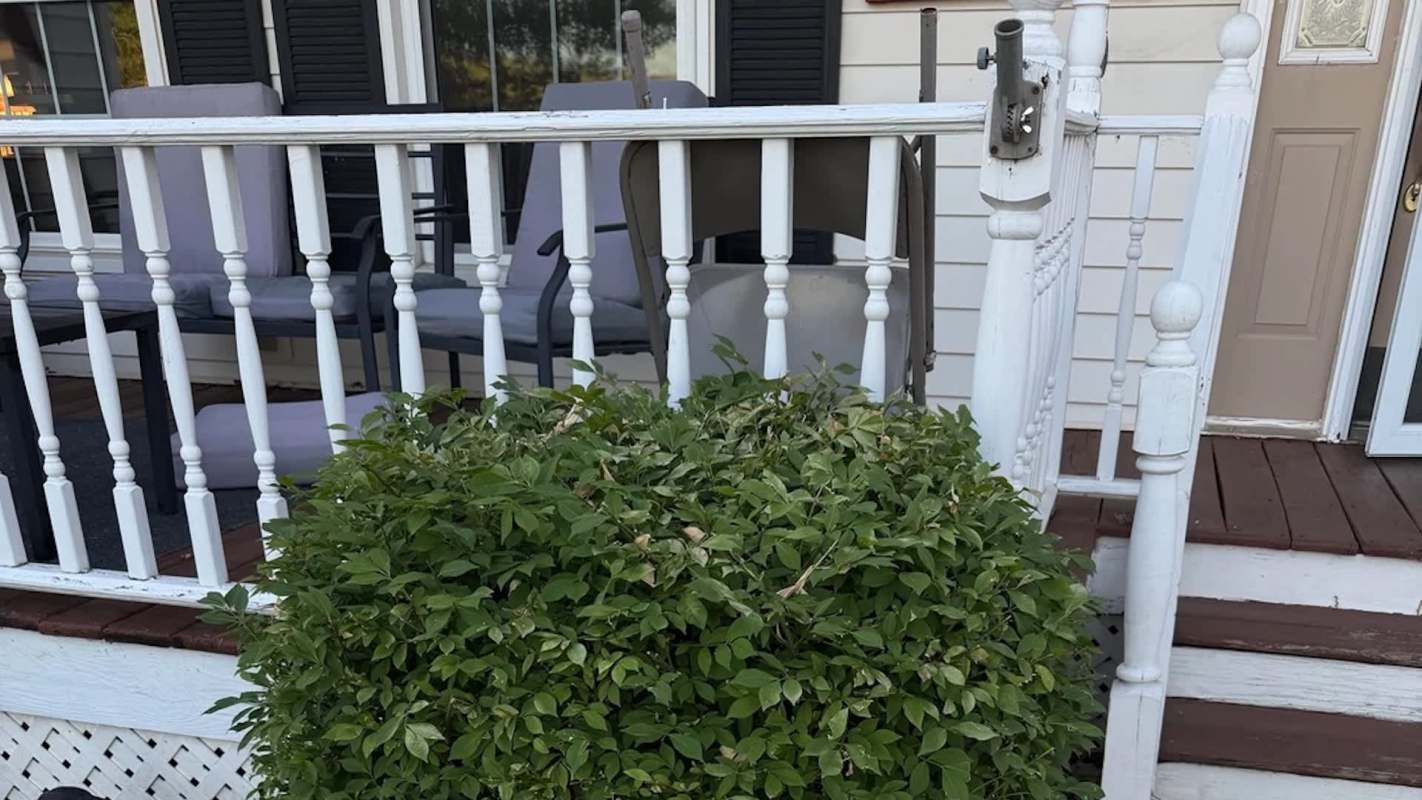
A New York gardener's search for a native replacement for a beloved burning bush is drawing attention online, particularly among homeowners seeking to make their yards more eco-friendly without sacrificing their desired aesthetic.
What happened?
A Reddit user from Buffalo turned to fellow gardeners for ideas on replacing burning bush with a native shrub that would still look dense and full.
"Does anyone know of native bushes that will give the same shape as the burning bushes I have?" the user wrote. "I have been getting into natives more and really want to try to replace the burning bushes we have, but love how full they look."
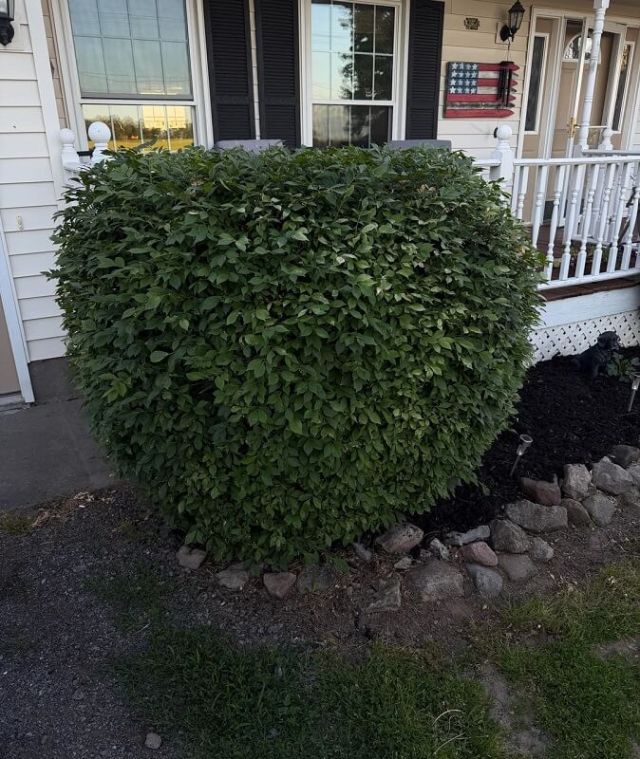
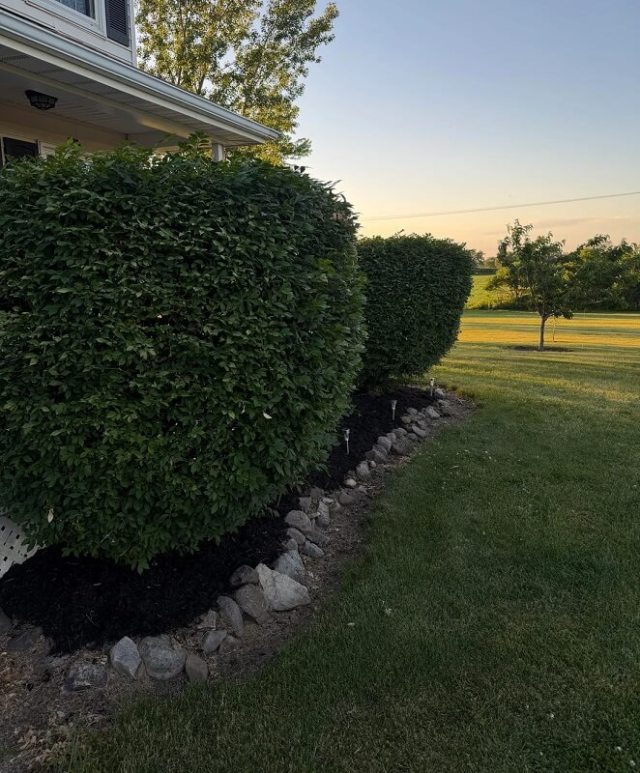
Commenters repeatedly pointed to arrowwood viburnum, describing it as a native option with a similarly rounded shape and strong fall color. Other replies offered different substitutes based on whether the poster cared more about red autumn leaves or year-round evergreen foliage.
Why does it matter?
Homeowners increasingly want landscaping that looks attractive while also doing more for local ecosystems. Native shrubs can support birds, pollinators, and other wildlife in ways many imported ornamental plants cannot, and replacing even a handful of plants can make a difference.
Swapping out part of a traditional lawn for native plants can save both time and money on maintenance while reducing water bills. Homeowners do not need to take on a full overhaul all at once. Options such as native ground covers can reduce mowing, watering, and other upkeep while still creating an attractive outdoor space.
TCD Picks » Quince Spotlight
💡These best-sellers from Quince deliver affordable, sustainable luxury for all




The suggestions also underscored a familiar compromise: many native shrubs that offer seasonal color do not stay green through winter, and some fuller-looking choices may take a long time to reach the size and shape gardeners want.
What are people saying?
One commenter wrote, "Love my arrowwood viburnum that holds the same shape — beautiful red foliage in fall too."
"I second arrowwood viburnum," another added. "The flowers are lovely, and they become prolific fruiters that will spread everywhere. It's a solid win. Serviceberry and American hazelnut could also do well here, but they do tend to grow taller."
A few commenters focused on the limits of the alternatives as much as their benefits.
"Nearly all but not all natives are going to lose their leaves in the fall," one commenter noted. "Don't know your location but mountain Laurel stays green all year,"
Another suggested inkberry but cautioned, "Inkberry grows super slow … would take forever to look like OP's bush."

Get TCD's free newsletters for easy tips, smart advice, and a chance to earn $5,000 toward home upgrades. To see more stories like this one, change your Google preferences here.






