


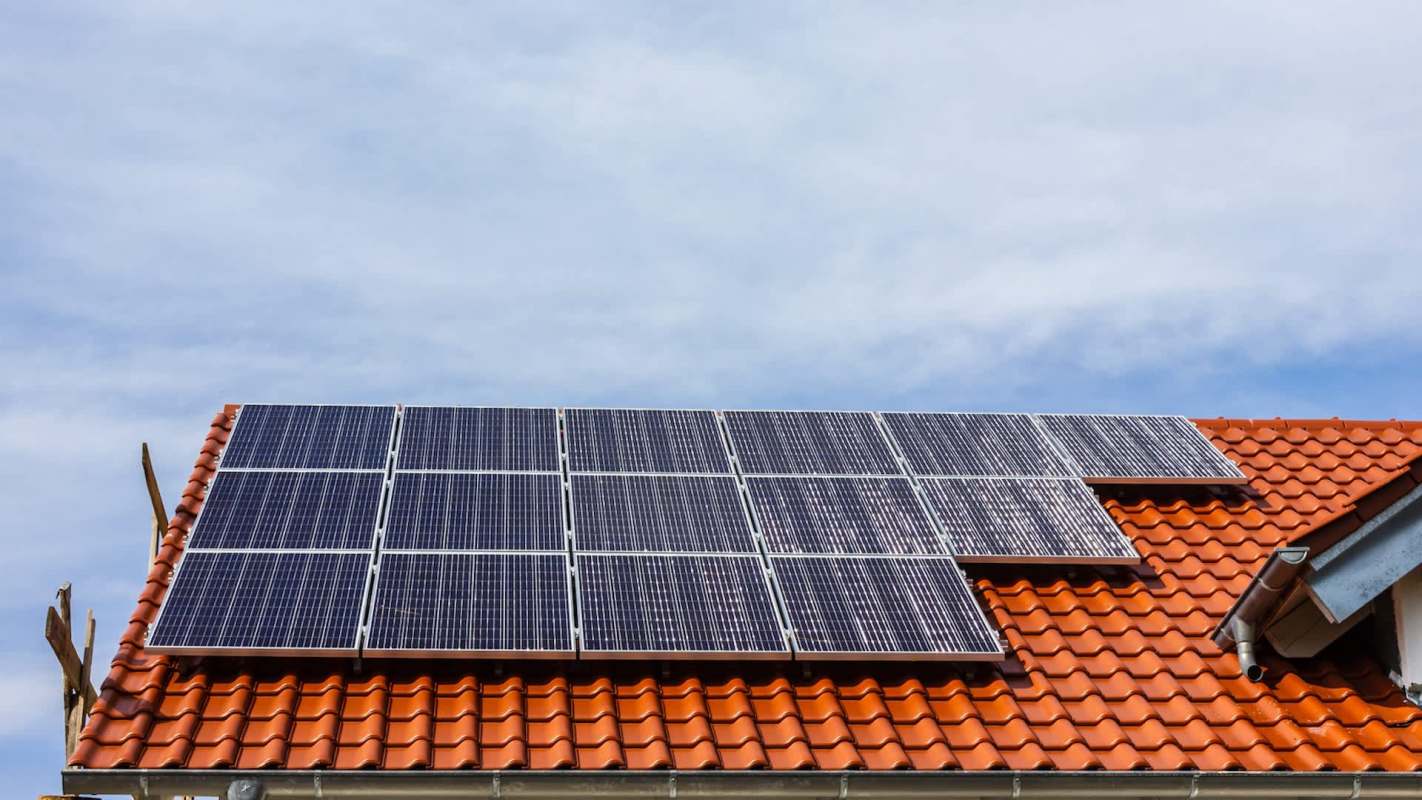
At their Houston house, Jeff and Jenny Wright haven't had to pay an electricity bill in more than a year.
They credited a setup that combines rooftop solar, battery storage, and participation in a virtual power plant, allowing surplus power to reduce their costs.
What's happening?
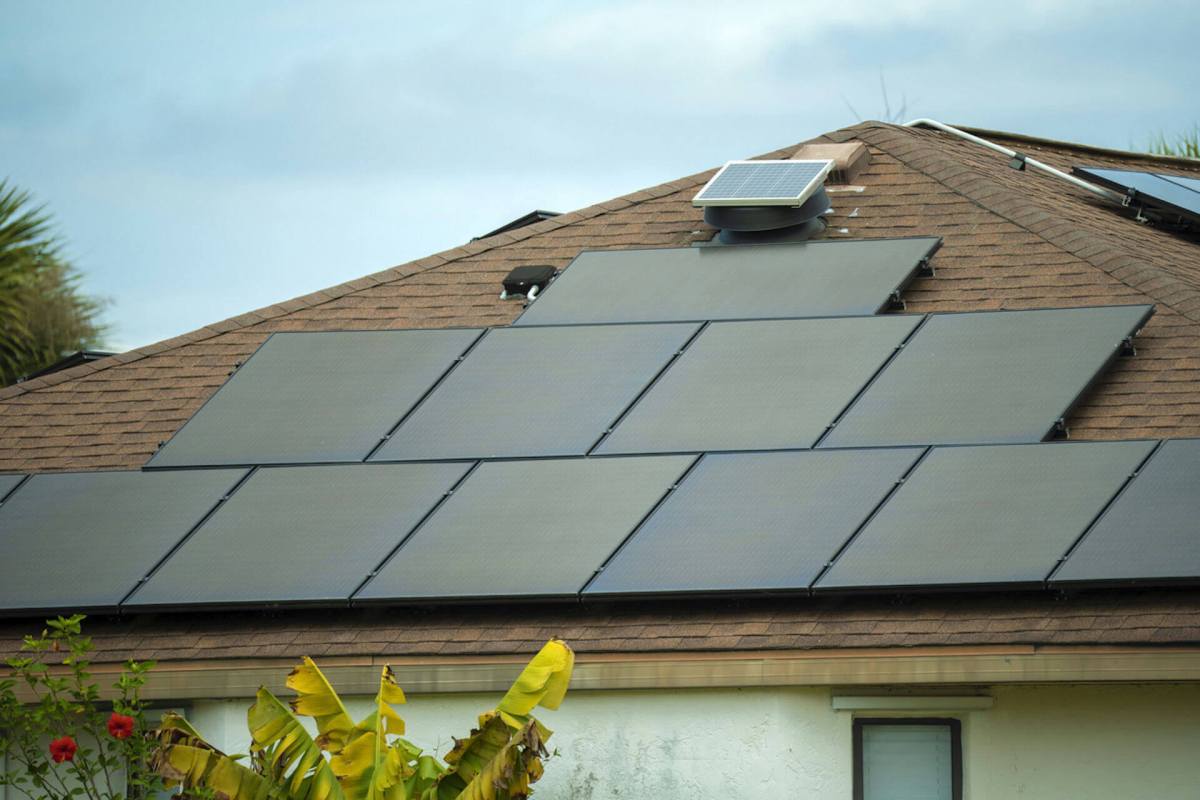
As NBC News reported, the couple's system includes rooftop solar panels for their home's electricity needs and two Tesla battery packs for storing leftover power.
When they have more energy than they need, they can send it back to the grid through a virtual power plant program, or VPP, and get compensated.
Once the home's own energy use is covered, the company running the system, Sunrun in this case, gives the Wrights a $240 yearly incentive, and their monthly bill credits have gone as high as $30.
"I'm getting fairly close to retirement, so cost control for us is a big thing," he said.
Sunrun said 107,000 customers took part in its VPP in 2025, collectively sending 18 gigawatt-hours back to the grid and receiving $17 million in payments. Sunrun and Palmetto are among the largest companies offering this approach through programs like Palmetto's LightReach, which can connect a home into a VPP if it subscribes to both solar and battery plans.
VPP programs are active or in development in 35 states and Washington, D.C., while U.S. electricity prices are about 40% higher than they were six years ago.
Save $10,000 on solar panels without even sharing your phone number Want to go solar but not sure who to trust? EnergySage has your back with free and transparent quotes from fully vetted providers that can help you save as much as $10k on installation. To get started, just answer a few questions about your home — no phone number required. Within a day or two, EnergySage will email you the best local options for your needs, and their expert advisers can help you compare quotes and pick a winner. |

Why does it matter?
Lower bills are only part of the appeal of home electrification. These systems can also give homeowners more control during outages and extreme weather while helping a grid under growing pressure from demand sources such as AI data centers.
Wright said the system has continued to work well when conditions get tough.
"I never notice it, the lights don't dim," he said. "We've never come close to running out of energy."
In Texas, heat waves and storms can put serious strain on the grid.
More From EnergySage
💡Go deep on the latest news and trends shaping the residential solar landscape


Federal officials have said the U.S. will need major new resources to handle future peak electricity demand. NBC News also cited Rocky Mountain Institute estimates that VPPs could reduce U.S. peak demand by 60 gigawatts by 2030 and cut annual power-sector costs by $17 billion.
What's being done?
Energy companies and utilities are pushing to scale up these programs. Sunrun president Paul Dickson said a traditional power plant can take 10 years or more to build, but a VPP can be launched within months.
Reliant, meanwhile, said 300,000 customers already participate in its VPP programs, and senior vice president Bill Clayton told NBC News, "You really don't need a bunch of fancy devices in order to be a participant."
You can also pair solar panels with efficient electric appliances to drive your utility costs even lower. To get started with solar, EnergySage can help you compare quotes and save up to $10,000 on installation costs. If upfront costs make a solar panel array prohibitive, Palmetto's LightReach solar leasing program can install the technology on your property for $0 down, helping you reduce your electricity bills by up to 20%.
Adding battery storage to a solar setup is one of the best ways to protect your home during outages, save money on energy, and go off-grid. It can also help you store extra electricity for later use instead of losing it.
Jeff Wright told the outlet, "We've got two batteries here, and what we have is not going to stabilize the entire grid, but if enough of us get together and do this, it will help everybody in Texas and ourselves as well."

Get TCD's free newsletters for easy tips, smart advice, and a chance to earn $5,000 toward home upgrades. To see more stories like this one, change your Google preferences here.






