


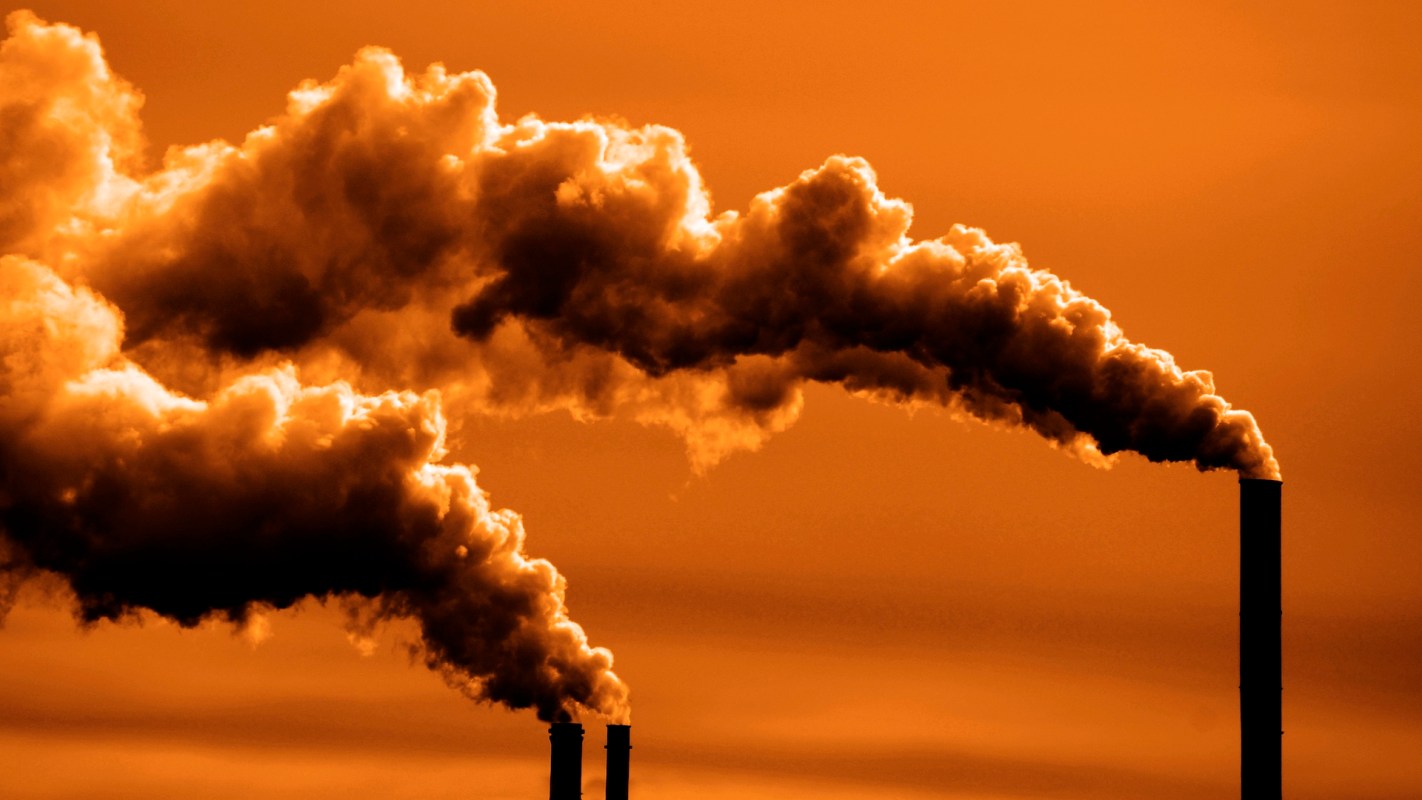
After Ameren Missouri retired the Rush Island coal plant, five Missouri municipalities that had fought its illegal emissions turned to regulators over another problem: steeply higher electricity costs.
The dispute has become an example of how fossil fuel pollution can leave communities paying twice, once with their health and again on their utility bills.
What happened?
According to the News Tribune, Fulton, Marceline, New Madrid, Hannibal, and Kirkwood say Rush Island's closure left their residents facing much higher power costs.
After being found to have illegally polluted the air, Ameren agreed in 2024 to a $61 million federal court settlement tied to the 1.1-gigawatt Rush Island plant. The utility then chose to shut the plant down, with court approval in October 2024, instead of installing pollution-control equipment.
In the cities' view, closing Rush Island caused electricity prices to jump. Their complaint to the Missouri Public Service Commission says the municipalities paid 191% more than cities in other Midcontinent Independent System Operator zones.
Arguments in the case are expected this week. The commission said that once Rush Island went offline, the clearing price in Ameren Missouri's area rose to $719.81 per megawatt-day, compared with roughly $15 per megawatt-day in other Midwest zones.
TCD Picks » Quince Spotlight
💡These best-sellers from Quince deliver affordable, sustainable luxury for all




Why does it matter?
Rate spikes can add pressure to already-tight budgets. Higher electricity costs can force tougher choices on families, while cities may have less money available for public services, maintenance, and emergency needs.
The dispute shows how fossil fuel dependence can create a no-win situation for communities. Coal plants can pollute the air for years, but when the grid remains heavily dependent on them, closing one without enough cleaner replacement power can trigger major price shocks.
Individuals can add solar panels to their roof to stop relying on power from utility companies, including solar leasing or power purchase agreement options from companies like Palmetto that give access to solar without having the big upfront investment cost, but not everyone paying utility bills is a homeowner.
The fossil fuel industry harms people and communities by worsening extreme weather disasters that destroy homes, livelihoods, and local economies; driving air and water pollution linked to asthma, heart disease, cancer, and premature death; and keeping energy costs high for households while corporate profits soar. Industry lobbying has also slowed the shift to cleaner, cheaper energy that could better protect families and reduce costs.
What's being done?
The Missouri Public Service Commission is considering the filing as the five cities seek relief from the higher rates they say followed Rush Island's closure.
Retiring dirty plants without exposing customers to sudden cost surges will likely require more investment in cleaner generation, transmission, storage, and energy efficiency.
Advocates and regulators face a broader challenge: phasing out polluting fossil fuels in a way that protects workers, communities, public health, and affordability at once.
Missouri's cities are pressing for an answer to who should pay when a coal plant's pollution violations lead to both a shutdown and a surge in electricity costs.

Get TCD's free newsletters for easy tips, smart advice, and a chance to earn $5,000 toward home upgrades. To see more stories like this one, change your Google preferences here.






